
Health
How Dental Implant Quotes Are Built: A Practical Cost Guide for Maple Grove, Minnesota

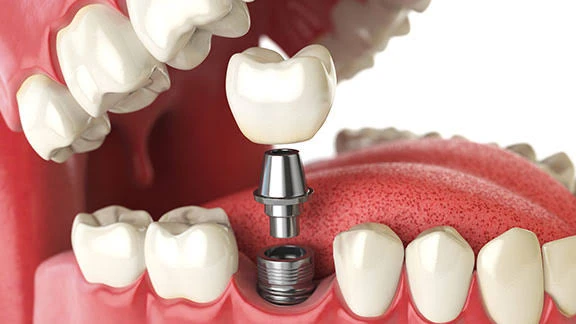
Dental implant treatment is highly individualized, so a headline price rarely tells the complete story. For Maple Grove patients reviewing dental implant cost Maple Grove options, the most useful number is a written estimate that shows what is included from the first examination through the final replacement tooth.
That detail matters in a community where patients may compare offices in Maple Grove, Plymouth, Brooklyn Park, and the wider Twin Cities area. One estimate may cover the finished crown and follow-up visits, while another may list only the surgical implant placement. Comparing the complete plan helps prevent surprises later.
Why Dental Implant Quotes Vary
There is no single implant price that fits every patient. Replacing one missing tooth in a healthy area of the mouth may require a much different plan than rebuilding a smile after several damaged or missing teeth. Bone volume, gum health, tooth location, bite forces, medical history, and cosmetic goals can all influence the recommended treatment.
Two offices can also provide different totals for similar treatment because they package services differently. A lower starting figure may not include the final crown, abutment, imaging, temporary tooth, sedation, or needed preparatory care. The goal is not simply to find the lowest number. It is to understand exactly what each number represents.
What a Dental Implant Quote May Include
A completed single-tooth restoration commonly involves the implant, abutment, and crown. The implant is placed in the jaw, the abutment connects to it, and the crown is the visible replacement tooth. A complete estimate may include:
- Consultation, examination, and treatment planning.
- Digital imaging or three-dimensional scans.
- Implant surgery and placement of the implant body.
- The abutment and final crown, bridge, or denture.
- Temporary teeth, when appropriate.
- Postoperative appointments, adjustments, and follow-up care.
Ask whether each item is included, optional, or billed separately. Written itemization gives patients a clearer basis for discussing priorities, timing, and payment.
Main Factors That Change the Price
Clinical Needs
- Number of teeth being replaced: One implant-supported crown is different from a bridge or an arch of replacement teeth.
- Bone and gum condition: Healthy supporting tissue is important for implant planning. Some patients need treatment before surgery can move forward.
- Tooth location: A front tooth may require more detailed aesthetic planning, while a back tooth may be subject to greater chewing forces.
- Healing timeline: Some cases are completed in stages, which can involve temporary restorations and additional visits.
Restoration and Practice Factors
The type of final crown, bridge, or full-arch prosthesis affects the estimate, as do laboratory work, surgical technology, sedation choices, and the number of appointments. These are not interchangeable details. They should be explained in terms that patients can understand before they agree to treatment.
Single Tooth, Multiple Teeth, and Full-Arch Treatment
- Single-tooth replacement: Usually includes one implant, one abutment, and one crown.
- Several missing teeth: Treatment may use individual implants or an implant-supported bridge, depending on the situation.
- Implant-supported dentures: Implants can help stabilize a removable denture.
- Full-arch treatment: Replaces most or all teeth in the upper arch, lower arch, or both arches.
Full-arch care is often quoted by arch because the upper and lower jaws may have different needs. “Full mouth” is not a standardized package, so patients should ask how many arches, implants, temporary teeth, and final teeth are included.
Extra Procedures That Can Raise the Total
Additional treatment is not automatically necessary, but it can become part of a plan after an examination and imaging. Possible services include tooth extraction, bone grafting, sinus lift procedures, gum disease treatment, temporary dentures or teeth, sedation, and additional imaging. Each should appear clearly in the estimate if it is recommended.
Insurance, Benefits, and Payment Options
Dental benefits differ substantially by plan. Coverage may have exclusions, waiting periods, annual maximums, or an alternative-benefit provision that pays toward a less costly treatment. Before beginning care, request a written benefit estimate or predetermination when available, and ask specifically about coverage for the implant, crown, extraction, grafting, and anesthesia.
Health savings accounts, flexible spending accounts, staged treatment, and financing may help some patients manage expenses. Financing should be reviewed carefully, including the interest rate, promotional terms, monthly payment, and total repayment amount.
How to Compare Estimates Fairly
- Request itemized written estimates from both offices.
- Confirm whether the final crown and abutment are included.
- Compare imaging, extractions, grafting, sedation, temporary teeth, and follow-up care.
- Verify the number and type of implants proposed.
- Ask about maintenance, repairs, replacement terms, and expected future care.
- Compare the full treatment plan, not only the advertised starting price.
Questions to Ask Before Treatment
- Is this estimate for the implant alone or for the finished replacement tooth?
- What costs could be added after imaging or during healing?
- Will I need an extraction, a grafting procedure, or a gum treatment first?
- What type of final crown, bridge, or denture is planned?
- How many visits are expected, and are follow-up appointments included?
- Would a second opinion be reasonable for my case?
When Delaying Treatment May Create More Costs
A missing tooth can affect chewing and may allow nearby teeth to shift over time. Changes in the mouth can alter future treatment options, but the right timing depends on the patient’s symptoms, oral health, medical needs, and goals. It is also important to protect a natural tooth when it can be predictably restored. Decisions about tooth preservation and implant replacement deserve a careful comparison of reasonable options, and general background on tooth loss can help frame that comparison.
Final Takeaway
A useful implant quote is clear, itemized, and based on an individual examination. Maple Grove patients can make more confident decisions by asking what is included, confirming insurance details, and comparing complete treatment plans, rather than choosing care solely based on the lowest advertised price.

562 Area Code: The Essential Guide to California’s Location, History, and Phone Numbers

Telephone Area Code 304: The Complete Guide to West Virginia’s Historic Calling Code

En Slovakia: Discover the Hidden Beauty, Rich Culture, and Fascinating History of Slovakia

Dough Moulding Compound: A Powerful Guide to Properties, Manufacturing, Benefits, and Industrial Applications

Annapurna Circuit Trek vs. Manaslu Circuit Trek: Routes, Mountain Villages, Local Culture, and Practical Travel Advice

Why Keeping Your PC Drivers Updated Matters More Than You Think?

Jett Hamilton Roberts: The Remarkable Story of Jill Scott’s Son, His Family, and Life Away From Fame

Jorge Bronze: The Inspiring Story of Lucy Bronze’s Brother Who Sparked Her Football Journey

Angie Bautista: The Remarkable Story of Dave Bautista’s Ex-Wife, Her Strength and Private Life

Julie Hallam: The Untold Story of Jeremy Irons’ First Wife and Her Acting Career

Everest Base Camp Trek vs Manaslu Circuit Trek: Routes, Difficulty, Costs, Altitude and Mountain Experience

Classroom 15x: The Ultimate Guide to Free Online Games, Features, Benefits, and Safe Gaming

Crackstube Explained: A Complete Guide to Its Features, Content, Safety, and Digital Publishing Platform

Startup Booted Fundraising Strategy: A Powerful Guide to Smart Funding and Sustainable Business Growth

Provascin: A Complete Guide to Its Ingredients, Potential Benefits, Uses, and Safety

ABS Testauslösung: Bedeutung, Funktion, häufige Fehler und wichtige Sicherheitstipps

HMJones.net Explained: A Complete Guide to Business Loans, Funding Options, and Smarter Financial Decisions

Pedal And Post Collapse: The Shocking Closure of Oxford’s Pioneering Green Delivery Company

Jeremy Yaffe: The Remarkable Untold Story of Alan Arkin’s First Wife and Her Life Beyond Hollywood

Sajar Plastics Inc: The Remarkable Story Behind Its Advanced Plastic Manufacturing Technology
562 Area Code: The Essential Guide to California’s Location, History, and Phone Numbers
Telephone Area Code 304: The Complete Guide to West Virginia’s Historic Calling Code
En Slovakia: Discover the Hidden Beauty, Rich Culture, and Fascinating History of Slovakia
Dough Moulding Compound: A Powerful Guide to Properties, Manufacturing, Benefits, and Industrial Applications
Annapurna Circuit Trek vs. Manaslu Circuit Trek: Routes, Mountain Villages, Local Culture, and Practical Travel Advice
Why Keeping Your PC Drivers Updated Matters More Than You Think?
Jett Hamilton Roberts: The Remarkable Story of Jill Scott’s Son, His Family, and Life Away From Fame
Jorge Bronze: The Inspiring Story of Lucy Bronze’s Brother Who Sparked Her Football Journey
Angie Bautista: The Remarkable Story of Dave Bautista’s Ex-Wife, Her Strength and Private Life
Julie Hallam: The Untold Story of Jeremy Irons’ First Wife and Her Acting Career
-
 Blog3 months ago
Beyond the Cages: How an Artificial Zoo Could Redefine Wildlife Travel
-
 Destination Guides3 months ago
Beyond the Map: Discovering Haslhof in Italy and Bavaria
-
Adventure Travel3 weeks ago
Everest Base Camp Trek vs Manaslu Circuit Trek: Routes, Difficulty, Costs, Altitude and Mountain Experience
-
 Entertainment2 weeks ago
Classroom 15x: The Ultimate Guide to Free Online Games, Features, Benefits, and Safe Gaming