

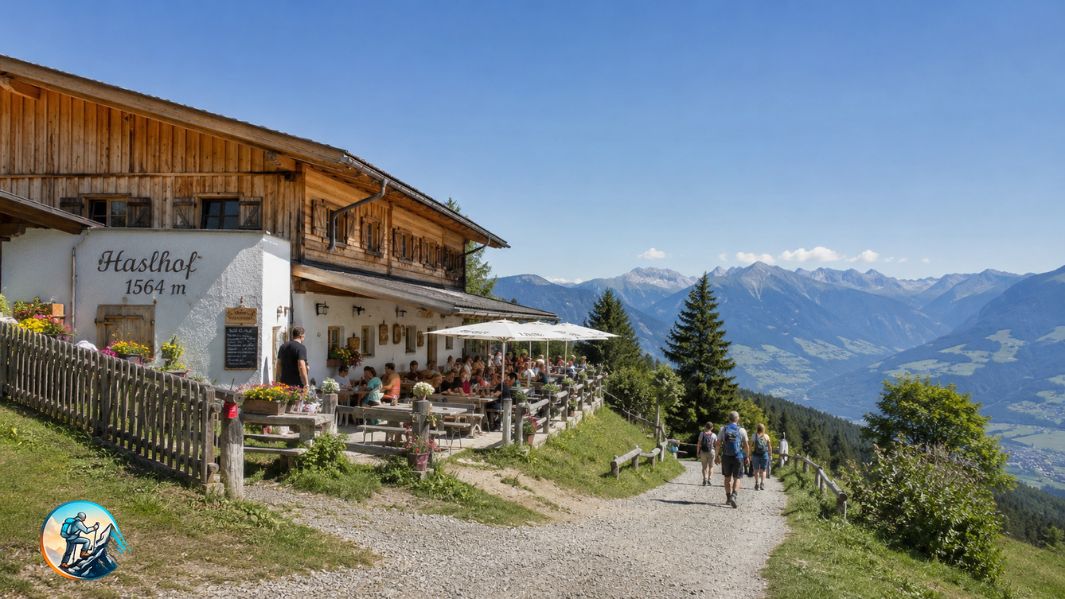
The name Haslhof can confuse travelers because it points to more than one rural place. The best-known options are an alpine farm inn above Schlanders in South Tyrol, Italy, and a quiet horse-centered farm near Vilsbiburg in Bavaria, Germany. They are not branches of one attraction. They offer different experiences, yet both reflect slow travel, countryside traditions, and the restorative value of spending time away from busy cities.
Why Haslhof Appeals to Slow Travelers
Haslhof is attractive because it feels purposeful rather than manufactured. In South Tyrol, the destination is a traditional mountain inn in Italy, surrounded by meadows, forest, and highland scenery. In Bavaria, Germany, Haslhof combines sustainable agriculture, care for retired horses, and personal-development work. Neither place should be approached like a crowded sightseeing complex. The reward comes from arriving patiently, observing daily rural life, and allowing the landscape to set the pace.
A travel rule I often trust is, “Go slowly enough to notice what hurry hides.” That idea suits Haslhof. Visitors are likely to remember the smell of woodland, the sound of animals, a warm regional meal, or a long valley view more vividly than any checklist of attractions.
Haslhof in South Tyrol: An Alpine Food and Hiking Stop
The Italian Haslhof sits on the Nördersberg above Schlanders, also known as Silandro, in the Val Venosta region. Official tourism information places the farm inn at about 1,574 meters, giving visitors broad views across the valley. Its elevated position makes it especially appealing to hikers, cyclists, and drivers looking for a peaceful meal in the mountains.
What to Expect at Haslhof in Italy
Expect honest South Tyrolean cuisine, informal hospitality, and a sunny terrace rather than polished resort luxury. The menu highlights regional comfort food such as snack boards with speck and cheese, homemade dumplings, hearty dishes, cakes, desserts, and Kaiserschmarrn. After a hike, this style of food feels satisfying without distracting from the setting.
The inn can be reached by car, on foot, or by bicycle from the surrounding area. Mountain roads may feel narrow or unfamiliar to international visitors, so drive slowly, check conditions, and avoid arriving close to closing time. Current opening schedules should always be confirmed before departure because alpine businesses often operate seasonally and may keep a weekly rest day.
The Bavarian Haslhof: Horses, Reflection, and Rural Care
The German Haslhof is located in Wurmsham, near Vilsbiburg in Bavaria. It is not primarily a conventional tourist attraction or public riding center. The farm focuses on retired horses, responsible agriculture, resilience, self-leadership, and supportive personal-development experiences. Its identity is quieter and more reflective than the South Tyrolean inn.
Is the Bavarian Haslhof Open for Casual Visits?
Travelers should not assume they can simply arrive and wander around. Because horses, coaching work, and farm routines require privacy and careful management, contacting the farm beforehand is the respectful choice. Ask whether a suitable appointment, workshop, event, or arranged visit is available. This prevents disappointment and protects the calm environment that gives the property its character.
People interested in equestrian wellbeing, rural sustainability, or mindful retreats may find this Haslhof meaningful. It is especially relevant for travelers who value ethical animal care over entertainment-led horse tourism. The experience is less about collecting photographs and more about understanding dignity, responsibility, and the bond between people, animals, and land.
Planning the Right Haslhof Trip
First, confirm the country before entering the name into navigation. For food, hiking, cycling, and panoramic scenery, choose Haslhof above Schlanders in South Tyrol, Italy. For horse welfare, reflective learning, or coaching-related interests, research the Bavarian farm near Vilsbiburg in Bavaria, Germany, and arrange contact in advance.
For Italy, wear supportive footwear, carry water, check the mountain forecast, and keep extra time for the return journey. For Bavaria, respect private areas, avoid feeding or touching horses without permission, and follow every instruction from the hosts. In both places, basic German phrases can help, although multilingual communication may be available.
Spring through early autumn generally suits countryside exploration, but weather and operating periods vary. Nearby villages also deserve time, so consider staying overnight rather than forcing both the mountain journey and the return drive into a hurried day trip during your wider regional itinerary. Pack layers even on warm days, since elevated areas can cool quickly. Travelers with limited mobility should ask about access, parking, surfaces, and facilities before setting out.
A Rural Name Worth Understanding
Haslhof is not one single landmark, and that distinction makes the journey more interesting. One version offers alpine hiking, homemade food, and wide South Tyrolean views; the other centers on horses, thoughtful guidance, and sustainable Bavarian farm life. Choose carefully, plan respectfully, and arrive without rushing. The finest Haslhof experience is not about doing everything. It is about being fully present wherever the road leads.
You May Read Also: Discover Barcelona’s Hidden Jewel: A Complete Bages Hotel Guide