Health
UK Supermarket Fruit Salmonella Recall: Major Safety Warning That Affected Six Leading Retailers

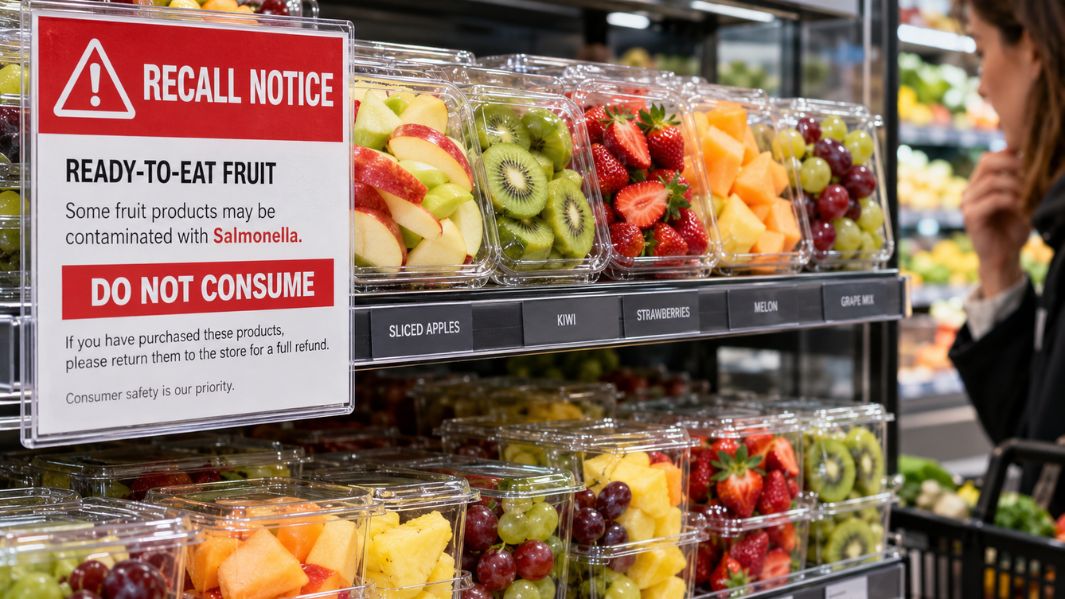
The UK supermarket fruit salmonella recall raised serious food safety concerns after major British retailers withdrew several popular ready-to-eat fruit products in June 2026. What appeared to be ordinary, healthy fruit snacks became the subject of an important consumer warning when testing identified Salmonella bacteria in apple and kiwi ingredients used in selected prepared fruit products.
The recall involved some of Britain’s most familiar supermarket names, including Tesco, Asda, Morrisons, Sainsbury’s, Marks & Spencer, and Waitrose. Customers who bought specific products were advised not to consume them because of the risk of food poisoning.
For shoppers who regularly buy convenient fruit pots, sliced apples, or mixed fruit selections, the announcement highlighted an important reality: even fresh, nutritious foods can become unsafe when harmful bacteria enter the production or preparation process.
Although the affected products carried use-by dates of 23 and 24 June 2026, understanding what happened remains important for consumers interested in food safety and supermarket recall procedures.
What Happened in the UK Supermarket Fruit Salmonella Recall?
On 23 June 2026, the Food Standards Agency (FSA) published an official recall notice about several prepared fruit products supplied by Prepworld, a company that produces fresh prepared food for retailers.
According to the announcement, testing had detected Salmonella in apple and kiwi ingredients used in certain fruit packs. As a precaution, the supplier recalled the identified products, while the affected supermarkets were expected to display notices informing customers about the potential contamination.
The recall was significant because it involved products distributed through multiple supermarket chains rather than an individual retailer. Different stores sold different combinations of prepared fruit, but the contamination concern was connected to ingredients used in the supplier’s products.
The official warning applied to specifically identified products and use-by dates. It did not mean that every apple, kiwi, or fresh fruit product available in UK supermarkets was dangerous.
Which UK Supermarkets and Fruit Products Were Affected?
Six major supermarket chains were named in the official June 2026 recall notice. The affected products included convenient fruit pots, sliced apples, fruit kebabs, and mixed fruit selections.
Complete List of Recalled Fruit Products
SupermarketAffected ProductPack SizeUse-By Date
Asda Pink Lady Apple, Mango, Strawberry & Blueberry 220g 23–24 June 2026
Morrisons Kiwi, Melon & Strawberries 220g 24 June 2026
Tesco Melon, Kiwi & Strawberry 250g 24 June 2026
Tesco Kiwi Fruit Pot 100g 23 June 2026
Tesco Fruit Kebabs 290g 23 June 2026
Tesco Melon, Kiwi & Strawberry 125g 23–24 June 2026
Waitrose Pink Lady Apple and Grapes 115g 23 June 2026
M&S Café Pink Lady Apple 90g 24 June 2026
M&S Pink Lady Apple (FTG) 90g 24 June 2026
M&S Pink Lady Apple Slices 225g 24 June 2026
Sainsbury’s Melon, Kiwi & Strawberry 220g 23 June 2026
Sainsbury’s Orange & Kiwi 240g 23 June 2026
Sainsbury’s Pink Lady Apple & Grape 240g 23 June 2026
These details explain why customers were encouraged to check product descriptions, packaging sizes, and dates carefully.
Importantly, the recall concerned those particular prepared fruit items. Consumers should not assume that unrelated products sold by the same supermarkets were included.
Why Were Apple and Kiwi Ingredients Linked to the Recall?
The recall centered on detecting Salmonella in apple and kiwi ingredients used to prepare selected fruit products.
Salmonella is commonly associated with foods such as raw poultry and eggs, but contamination can also affect fruits and vegetables. Fresh produce may become contaminated through water, soil, handling equipment, processing environments, or contact with contaminated surfaces.
Prepared fruit requires additional handling before reaching the customer. Apples may be sliced, kiwis peeled, and different fruits combined into individual portions. These processes make the products convenient but also create opportunities for bacteria to spread if contamination occurs.
Identifying apple and kiwi ingredients does not establish exactly where contamination first entered the supply chain. The official recall notice identified the affected ingredients but did not fully explain the original contamination source.
This distinction matters because responsible food safety reporting should separate confirmed testing results from assumptions about how a problem developed.
What Is Salmonella and Why Can It Be Dangerous?
Salmonella is a group of bacteria that can cause salmonellosis. People usually become infected by eating contaminated food or drinking contaminated water, although bacteria can also spread through poor hygiene and contact with contaminated surfaces.
Symptoms commonly include diarrhea, abdominal cramps, fever, nausea, and sometimes vomiting. Illness can begin within hours or days after exposure, and severity varies by individual.
Many otherwise healthy adults recover without specialist treatment. However, the infection can become more serious if prolonged diarrhea or vomiting causes dehydration.
Young children, older people, pregnant individuals, and those with weakened immune systems may require additional medical attention because foodborne illness can pose greater health risks for them.
One important concern with Salmonella is that contaminated food may appear completely normal. A fruit pot can look fresh, smell pleasant, and still contain harmful bacteria. This is why consumers should follow official recall instructions instead of judging a product’s safety by its appearance.
What Should Customers Do With Recalled Fruit Products?
The Food Standards Agency’s instruction for customers who had purchased the affected June 2026 products was straightforward: do not eat them.
Consumers were advised to return the specified fruit packs to the supermarket where they were purchased for a full refund. The notice applied to the products matching the listed descriptions, pack sizes, and use-by dates.
Since those dates have already passed, the recall is now a historical event rather than a warning about fresh stock currently displayed in shops. Nevertheless, anyone who discovers an unusually old affected pack in storage should not consume it.
If a potentially contaminated product has leaked or come into contact with household surfaces, clean the affected area and wash your hands thoroughly afterward.
Customers should also avoid assuming that rinsing a recalled prepared fruit product makes it safe. Washing fruit is a useful everyday food safety practice, but it is not an acceptable substitute for complying with a specific contamination recall.
How Did Supermarkets Respond to the Safety Warning?
Food recalls depend on cooperation between suppliers, retailers, food safety regulators, and consumers. In this case, Prepworld issued the recall for products supplied to several major supermarkets.
The Food Standards Agency explained that stores selling the affected items would display point-of-sale recall notices. These notices help customers identify the products and understand the steps they can take to protect themselves.
A supermarket recall usually involves stopping sales of the affected products, identifying relevant stock, and communicating the problem to customers. Depending on the circumstances, businesses may also investigate ingredients, manufacturing processes, supplier records, and distribution routes.
For retailers, the challenge is not simply removing items from shelves. Once food has been purchased, businesses must communicate the warning clearly enough for customers to recognize affected products at home.
The June 2026 incident demonstrated how a problem involving one supplier can require coordinated action across multiple competing supermarket chains.
Symptoms to Watch for After Eating Contaminated Fruit
Someone who has consumed food contaminated with Salmonella may develop stomach cramps, diarrhea, fever, nausea, or vomiting. Not everyone exposed will become ill, and symptoms can vary widely.
Most mild food poisoning cases improve with rest and appropriate hydration. Drinking enough fluids is particularly important because diarrhoea and vomiting can cause the body to lose water and essential salts.
However, certain symptoms require medical advice. These include bloody diarrhea, persistent vomiting, an inability to keep fluids down, and signs of dehydration, such as reduced urination.
In the UK, NHS 111 can advise people who experience concerning symptoms. Severe symptoms, including sudden intense abdominal pain or confusion, may require emergency medical attention.
The FSA also advises people with Salmonella symptoms to stay away from work, school, or nursery for at least 48 hours after their symptoms stop. This helps reduce the possibility of passing an infection to others.
Does the Recall Mean Fresh Fruit Is Unsafe in Britain?
The recall should not be interpreted as evidence that fresh fruit generally presents an unacceptable health risk.
Fruit remains an important part of a balanced diet, supplying vitamins, minerals, fiber, and other beneficial nutrients. The June 2026 warning concerned a specific selection of prepared products linked to a specific contamination finding.
An important distinction also exists between whole fruit and commercially prepared fruit. Whole apples and kiwis generally undergo less cutting and handling before sale, although all fresh produce still requires appropriate hygiene.
Pre-cut fruit is particularly convenient for packed lunches, workplace snacks, and quick meals. When produced and stored correctly, these products can be enjoyed safely.
A sensible consumer response is to follow official recall notices, practice good hygiene, and follow storage and use-by instructions rather than avoid entire fruit categories.
How Can Shoppers Reduce Food Safety Risks?
Good food safety habits can reduce the likelihood of contamination-related illness, even though consumers cannot control every stage of commercial food production.
Generally, wash fresh fruit and vegetables with clean water before preparation or consumption, unless the packaging gives specific instructions for ready-to-eat products. Also keep hands, knives, preparation surfaces, and chopping boards clean.
Refrigerate prepared fruit according to its packaging instructions and consume it before the use-by date. Do not leave products that require refrigeration unrefrigerated for long periods.
It is also worth checking food recall announcements from trusted authorities, especially when news reports identify a food product the household regularly purchases.
However, an official recall always takes priority over routine precautions. Do not eat a recalled food product simply because it has been washed, refrigerated, or appears fresh.
Why the June 2026 Fruit Recall Matters for Food Safety
The UK supermarket fruit salmonella recall shows why testing, traceability, and consumer communication are essential in the modern food industry.
Prepared fruit passes through several stages before reaching customers, including sourcing, cleaning, cutting, packaging, transportation, and retail storage. Each stage requires appropriate controls to minimize contamination risk.
When a safety issue is identified, traceability systems help businesses determine which products may contain affected ingredients and where they have been distributed.
The incident also highlights the value of clear consumer information. By naming the supermarkets, products, pack sizes, and use-by dates, the official notice allowed shoppers to distinguish affected goods from other fruit items.
Ultimately, a recall is a protective measure designed to prevent further consumption of potentially unsafe food, not proof that everyone who purchased an affected product became ill.
Conclusion
The UK supermarket fruit salmonella recall in June 2026 reminded us that food safety risks can affect even everyday products associated with healthy eating. The incident involved 13 specifically identified prepared fruit products distributed through six major British supermarket chains after Salmonella was detected in apple and kiwi ingredients.
Prepworld, retailers, and the Food Standards Agency responded by informing consumers, identifying affected products, and preventing their consumption.
For households, the main lesson is straightforward: check official recall details, follow food safety instructions, and never consume products covered by a contamination warning.
Fresh fruit remains a valuable part of a healthy diet. With proper handling, effective industry controls, and clear communication when problems arise, shoppers can continue enjoying it with greater confidence.
(FAQs)
1. What was the UK supermarket fruit salmonella recall?
It was a food safety recall announced on 23 June 2026 after Salmonella was identified in apple and kiwi ingredients used in several prepared fruit products supplied by Prepworld.
2. Which supermarkets were involved?
The affected products were sold through Asda, Morrisons, Tesco, Sainsbury’s, Marks & Spencer, and Waitrose.
3. Which fruit products were recalled?
The recall covered 13 specified prepared fruit products, including mixed fruit pots, sliced Pink Lady apples, kiwi selections, and fruit kebabs. The affected use-by dates were 23 and 24 June 2026.
4. Can Salmonella be found in fresh fruit?
Yes. Although often associated with poultry and eggs, Salmonella can contaminate fresh produce through several possible routes, including water, handling, and processing environments.
5. What should someone do if they ate recalled fruit?
They should monitor for symptoms of food poisoning and maintain hydration if mild gastrointestinal illness develops. Anyone experiencing serious or persistent symptoms should seek appropriate medical advice.
6. Were all apples and kiwis recalled across the UK?
No. The official recall applied only to specified prepared fruit products with the identified use-by dates. It was not a nationwide recall of all apples or kiwis.
7. Is the June 2026 fruit recall still an active warning for new supermarket stock?
The announcement concerned products with use-by dates in June 2026. Those dates have passed, so it should not be presented as a new recall involving current supermarket stock. Consumers should check current official food alerts for the latest safety warnings.


John Playfair: The Remarkable Life of Prue Leith’s Husband and Former Fashion Designer

thealitekeepsafe.com: A Complete Guide to Its Features, Online Safety, Content, and Trustworthiness

Growth Navigate Funding: A Complete Guide to Smart Business Financing and Sustainable Growth

Almawadahit. com Explained: A Complete Guide to Its Content, Features, and Online Reputation

UK Supermarket Fruit Salmonella Recall: Major Safety Warning That Affected Six Leading Retailers

Tracey Knievel: The Remarkable Untold Story of Evel Knievel’s Daughter and Her Life Beyond Fame

Jeremy Yaffe: The Remarkable Untold Story of Alan Arkin’s First Wife and Her Life Beyond Hollywood

Solica Casuto: The Fascinating Story of Andy Griffith’s Second Wife and Her Private Life

Tara Beane: The Remarkable Family Story Behind Billy Beane’s Moneyball Legacy

Wendy Etris: The Inspiring Story of AJ Styles’ Wife, Marriage, Children and Private Life

Everest Base Camp Trek vs Manaslu Circuit Trek: Routes, Difficulty, Costs, Altitude and Mountain Experience

Crackstube Explained: A Complete Guide to Its Features, Content, Safety, and Digital Publishing Platform

ABS Testauslösung: Bedeutung, Funktion, häufige Fehler und wichtige Sicherheitstipps

Classroom 15x: The Ultimate Guide to Free Online Games, Features, Benefits, and Safe Gaming

Nomurano: Discover the Powerful Meaning Behind Modern Creativity, Design, and Intentional Living

HMJones.net Explained: A Complete Guide to Business Loans, Funding Options, and Smarter Financial Decisions

Nigel Mackintosh: The Remarkable Business Career, Family Heritage and Life of Millie Mackintosh’s Father
Provascin: A Complete Guide to Its Ingredients, Potential Benefits, Uses, and Safety

Ruschek: The Fascinating History, Meaning, Origins and Legacy of a Rare European Surname

Mindset Energy: The Powerful Secret to Better Focus, Confidence, and Personal Growth
John Playfair: The Remarkable Life of Prue Leith’s Husband and Former Fashion Designer
thealitekeepsafe.com: A Complete Guide to Its Features, Online Safety, Content, and Trustworthiness
Growth Navigate Funding: A Complete Guide to Smart Business Financing and Sustainable Growth
Almawadahit. com Explained: A Complete Guide to Its Content, Features, and Online Reputation
UK Supermarket Fruit Salmonella Recall: Major Safety Warning That Affected Six Leading Retailers
Tracey Knievel: The Remarkable Untold Story of Evel Knievel’s Daughter and Her Life Beyond Fame
Jeremy Yaffe: The Remarkable Untold Story of Alan Arkin’s First Wife and Her Life Beyond Hollywood
Solica Casuto: The Fascinating Story of Andy Griffith’s Second Wife and Her Private Life
Tara Beane: The Remarkable Family Story Behind Billy Beane’s Moneyball Legacy
Wendy Etris: The Inspiring Story of AJ Styles’ Wife, Marriage, Children and Private Life
-
 Blog3 months ago
Beyond the Cages: How an Artificial Zoo Could Redefine Wildlife Travel
-
Adventure Travel2 weeks ago
Everest Base Camp Trek vs Manaslu Circuit Trek: Routes, Difficulty, Costs, Altitude and Mountain Experience
-
 Destination Guides3 months ago
Beyond the Map: Discovering Haslhof in Italy and Bavaria
-
Technology6 days ago
Crackstube Explained: A Complete Guide to Its Features, Content, Safety, and Digital Publishing Platform