
Blog
Provascin: A Complete Guide to Its Ingredients, Potential Benefits, Uses, and Safety

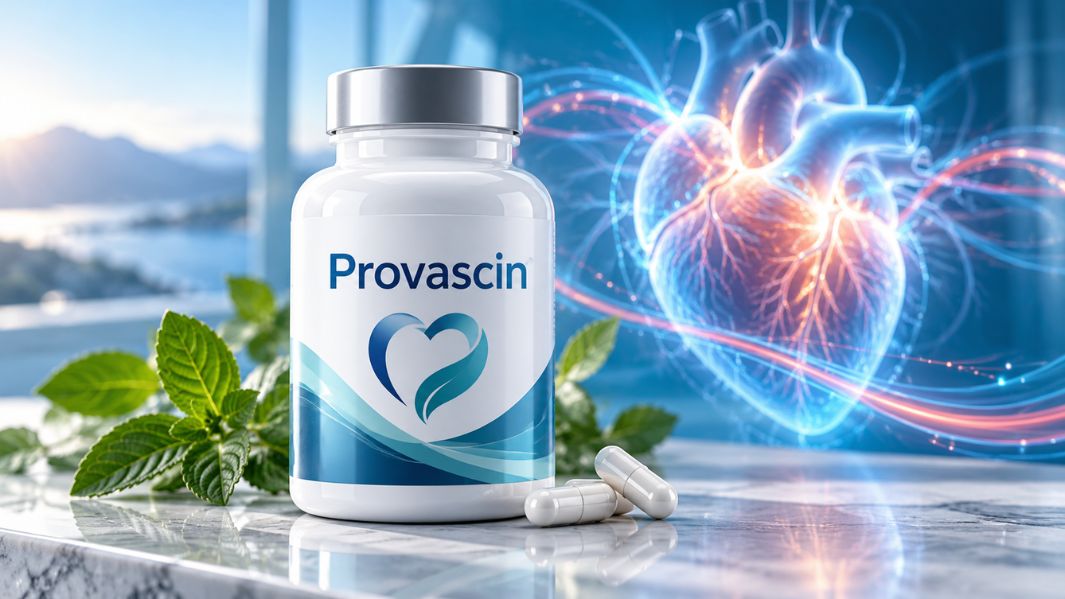
Maintaining a healthy heart and proper blood circulation is essential for long-term physical well-being. As interest in nutritional supplements grows, many people are exploring products intended to support cardiovascular function, cellular energy, and overall wellness. Provascin is one such product that has attracted attention for its combination of nutrients, antioxidants, and plant-based ingredients. Historically associated with the Canadian natural health brand PURICA, the supplement was developed on the idea that several nutritional compounds could support different aspects of cardiovascular health. However, understanding its potential benefits requires more than reading promotional descriptions. It is equally important to examine its ingredients, the available scientific evidence, and possible safety concerns.
This article explores Provascin, including its background, ingredients, intended uses, potential health benefits, safety considerations, and current availability. It also explains the difference between nutritional support and scientifically established medical treatment, helping readers understand what the supplement was designed to offer and which claims remain uncertain.
What Is Provascin?
Provascin is a multi-ingredient dietary supplement PURICA historically marketed for cardiovascular and circulatory support. Unlike prescription medicines developed to treat specific diseases, the documented product combined several nutritional and botanical compounds intended to support normal biological functions. Its formula included L-carnitine, Coenzyme Q10, Chaga mushroom, alpha-ketoglutaric acid, betaine hydrochloride, alpha-lipoic acid, grape seed extract, and green tea extract. These ingredients are associated with cellular energy production, antioxidant activity, and various metabolic processes. The supplement was previously available in capsule form, including 120- and 240-capsule bottles. Although its marketing emphasized cardiovascular wellness, the presence of ingredients with recognized biological functions does not mean the complete product prevents or treats heart disease.
Understanding the Purpose Behind Provascin
Provascin was designed to combine nutrients involved in several processes relevant to overall cardiovascular wellness. The heart requires a continuous supply of energy, while blood vessels depend on healthy cellular structures and normal metabolic regulation. Oxidative stress, inflammation, poor dietary habits, and certain medical conditions can influence cardiovascular health over time. Provascin’s historical formulation brought together antioxidants and compounds involved in cellular metabolism, reflecting a broad approach to nutritional support. However, cardiovascular support is a general wellness claim, not proof of a measurable medical outcome. The supplement should therefore be understood in the context of nutrition, not as an established treatment for high blood pressure, blocked arteries, elevated cholesterol, or circulation disorders.
Key Ingredients Found in Provascin
Understanding the ingredients is one of the most useful ways to evaluate the product. Historical PURICA listings identify eight principal compounds, each with a different biological role. Several factors affect their effects, including dosage, individual health circumstances, absorption, and interactions with other substances.
L-Carnitine and Cellular Energy Production
L-carnitine is a naturally occurring compound that helps transport long-chain fatty acids into mitochondria, where they can be used to produce energy. Because the heart and skeletal muscles require substantial amounts of energy, L-carnitine has been investigated for several metabolic and cardiovascular applications. The historical Provascin formulation contained approximately 188 mg of L-carnitine per capsule. Although its biological function is well established, supplementation does not automatically improve cardiovascular performance in otherwise healthy individuals. Benefits observed in studies involving specific conditions or higher doses cannot be attributed to a multi-ingredient formula containing smaller amounts.
Coenzyme Q10 and Antioxidant Activity
Coenzyme Q10, commonly called CoQ10, is a compound naturally present in human cells. It plays an important role in mitochondrial energy production and also functions as an antioxidant. The documented formula contained approximately 38 mg per capsule. Researchers have studied CoQ10 in connection with heart failure, blood pressure, and other health conditions, but the findings differ according to the condition being investigated. Evidence does not establish that CoQ10 reliably lowers blood pressure, and studies of one ingredient cannot demonstrate the effectiveness of the entire Provascin supplement. Its inclusion reflects an interest in cellular metabolism and antioxidant support rather than a guarantee of improved heart function.
Chaga Mushroom and Plant Antioxidants
Another notable ingredient was chaga mushroom, a fungus containing several naturally occurring compounds that have attracted scientific interest; historical product information listed about 125 mg of micronized chaga per capsule. Laboratory research has explored its antioxidant properties, but reliable human clinical evidence remains limited. Provascin also contained grape seed extract and green tea extract, both associated with polyphenols. These substances can show antioxidant activity, but laboratory effects do not necessarily translate into meaningful cardiovascular improvements in people. Concentrated botanical extracts may also pose safety risks, so their inclusion is an important consideration when evaluating any supplement.
Additional Metabolic Ingredients
The formula also included alpha-ketoglutaric acid, betaine hydrochloride, and alpha-lipoic acid. Alpha-ketoglutaric acid supports normal cellular energy metabolism, while alpha-lipoic acid supports mitochondrial enzyme activity and antioxidant processes. Betaine hydrochloride is a form of betaine commonly found in digestive supplements, but it should not be confused with evidence for treating cardiovascular disease. Together, these ingredients contributed to the product’s broad nutritional positioning. Their biological roles help explain why they were included, but the specific amounts, combinations, and clinical outcomes require careful evaluation before any health benefit can be considered established.
Potential Benefits Associated With Provascin
Cardiovascular and Circulatory Support
One of the primary reasons Provascin attracted consumer interest was its historical association with heart health and blood circulation. Its marketing described broad support for cardiovascular function, including circulation, cholesterol-related wellness, and antioxidant protection. These claims tied to the roles of its ingredients rather than strong clinical trials showing the completed formula improves cardiovascular outcomes. Healthy blood circulation depends on many factors, including blood pressure, vessel health, activity levels, smoking status, and underlying medical conditions. Supplements cannot be assumed to correct problems caused by these factors. Anyone experiencing persistent circulation symptoms should seek a medical assessment rather than relying on nutritional products.
Energy Metabolism and Physical Wellness
The inclusion of L-carnitine, CoQ10, and alpha-ketoglutaric acid also explains why Provascin was associated with energy metabolism and physical endurance. These compounds participate in processes that help cells generate and manage energy. Nevertheless, contributing to a normal biological pathway does not demonstrate improved endurance, reduced fatigue, or enhanced exercise performance. Such outcomes require appropriately designed human studies using relevant doses and measuring meaningful results. People experiencing persistent tiredness may have underlying causes such as insufficient sleep, iron deficiency, thyroid disorders, or cardiovascular conditions that require proper investigation.
Antioxidant and Metabolic Support
Oxidative stress occurs when the balance between reactive molecules and the body’s protective systems becomes disrupted. This process has been studied in relation to aging and several chronic diseases. Provascin contained antioxidant-associated ingredients, particularly CoQ10, alpha-lipoic acid, grape seed extract, and green tea extract. However, antioxidant activity does not automatically translate into disease prevention. The body maintains complex antioxidant systems, and taking more antioxidant compounds does not necessarily produce better outcomes. Some supplements may have limited benefits, while excessive intake of particular ingredients can create additional risks. A balanced diet remains an important source of naturally occurring antioxidants and other beneficial nutrients.
Does Provascin Really Work?
The key question is whether the complete Provascin formula has been scientifically shown to deliver its advertised benefits. Available documentation confirms that the product existed and contained ingredients with recognized biological activities. However, the available information does not show strong published clinical evidence establishing the effectiveness of the complete formulation. This distinction matters because the effects of individual compounds cannot simply be added together to predict the results of a combination product. Ingredients may interact, differ in absorption, or be present at amounts that do not match those studied in clinical trials. Consequently, claims that Provascin prevents heart attacks, reverses vascular disease, or reliably lowers cholesterol would go beyond the evidence currently established for the finished product.
Possible Side Effects and Safety Considerations
Although Provascin was marketed as a natural health supplement, natural ingredients are not automatically harmless. Some compounds may cause digestive discomfort, nausea, headaches, or other unwanted effects. Concentrated green tea extracts have occasionally been associated with liver injury, while CoQ10 may interact with certain medicines, including warfarin and insulin. Historical Provascin packaging also advised caution for people with liver or kidney disease, diabetes, seizure disorders, autoimmune conditions, and those taking blood-pressure medications, blood thinners, or immunosuppressants. Pregnant and breastfeeding individuals were also advised to consult a healthcare practitioner. These precautions demonstrate why checking the complete ingredient label and reviewing medication interactions are essential before considering a multi-ingredient supplement.
Why Professional Medical Guidance Matters
People with diagnosed cardiovascular conditions should be particularly careful when considering supplements promoted for heart health. Prescription medications used to manage hypertension, abnormal cholesterol levels, diabetes, and other conditions have specific therapeutic purposes supported by clinical evaluation. Replacing these treatments with an inadequately studied supplement can allow an underlying disease to progress. A healthcare professional can evaluate whether a supplement is appropriate based on existing medical conditions, laboratory results, prescribed treatments, and potential interactions. Chest pain, sudden breathing difficulties, fainting, or symptoms suggesting a stroke require urgent medical attention rather than self-treatment with nutritional products.
How Was Provascin Traditionally Used?
Historical retailer descriptions included recommended capsule amounts for the original product, but these older instructions should not be treated as current medical advice. The appropriate use of any supplement depends on the exact formulation, its regulatory status, ingredient concentrations, and individual health circumstances. Because the documented product appears to be discontinued or no longer routinely available through major historical retailers, old dosing information may not apply to products now appearing under similar names. Consumers should avoid using expired stock or following recommendations from outdated promotional material. Current packaging, product authenticity, and professional advice are more reliable considerations than general internet dosage suggestions.
Is Provascin Still Available?
The original PURICA Provascin appears difficult to obtain through established retail channels. Historical Canadian retailer listings confirm 120-capsule and 240-capsule products, but some now explicitly describe the supplement as discontinued or no longer carried. A verified official explanation or precise discontinuation date has not been established. This makes it especially important to investigate unfamiliar online listings before buying. Old product photographs, outdated prices, and advertisements do not prove that an authentic, unexpired product is available. Buyers should examine manufacturer information, expiry dates, batch identification, safety seals, and the full ingredient panel before considering any remaining stock.
The Importance of Healthy Lifestyle Habits
People interested in Provascin are often looking for practical ways to maintain cardiovascular health. Fortunately, several established lifestyle measures have stronger supporting evidence than many supplement claims. A balanced eating pattern that emphasizes vegetables, fruits, whole grains, legumes, and other nutrient-rich foods can support long-term health. Regular physical activity, appropriate weight management, sufficient sleep, and avoiding tobacco also contribute to cardiovascular well-being. Monitoring blood pressure, cholesterol, and blood glucose when medically appropriate provides useful information about individual risk factors. Preventive healthcare and consistent lifestyle habits remain a more reliable foundation for heart health than relying on any single supplement.
Frequently Asked Questions About Provascin
1. What is Provascin mainly used for?
Provascin was historically marketed as a nutritional supplement to support cardiovascular and circulatory health. Its ingredients were associated with cellular energy metabolism, antioxidant activity, and general wellness, but the complete formula has not been established as a treatment for cardiovascular disease.
2. Is Provascin a prescription medicine?
No. The best-documented PURICA Provascin product was a dietary or natural health supplement, not a prescription cardiovascular medicine. Do not confuse it with prescription drugs that have similar-sounding names.
3. Can Provascin lower blood pressure or cholesterol?
Insufficient direct clinical evidence shows that the complete Provascin formulation reliably lowers blood pressure or cholesterol. Some individual ingredients have been studied for related purposes, but their findings cannot automatically be applied to the finished supplement.
4. Does Provascin have any side effects?
Potential concerns include digestive discomfort, sensitivity to individual ingredients, and interactions with medicines. Certain botanical extracts may present additional risks. People with existing medical conditions or those taking prescription drugs should discuss its suitability with a qualified healthcare professional.
5. Is Provascin still sold in 2026?
The original PURICA product is listed as discontinued or unavailable by some established Canadian retailers. Its global availability is uncertain, so consumers should verify authenticity and expiry information before buying products advertised under the same name.
Conclusion
Provascin is a multi-ingredient nutritional supplement developed for cardiovascular and metabolic support. Its historical formula combined L-carnitine, Coenzyme Q10, Chaga mushroom, alpha-lipoic acid, and other compounds involved in important biological processes. While these ingredients offer legitimate subjects for scientific investigation, their presence does not prove that the complete supplement prevents or treats heart disease. Limited product-specific evidence, potential medication interactions, and uncertain current availability all warrant careful consideration. Ultimately, understanding Provascin’s ingredients, intended uses, and limitations enables consumers to make better-informed decisions while keeping evidence-based healthcare, appropriate medical treatment, and sustainable lifestyle habits at the center of cardiovascular wellness.

Emma Poppy Deyes: The Inspiring Story of Poppy Deyes, Her Career, Family, and Lifestyle Brand

Laura Sherriff: The Inspiring Story of Craig Phillips’ Wife, TV Presenter and DIY Entrepreneur

Classroom 15x: The Ultimate Guide to Free Online Games, Features, Benefits, and Safe Gaming

Crackstube Explained: A Complete Guide to Its Features, Content, Safety, and Digital Publishing Platform

Nomurano: Discover the Powerful Meaning Behind Modern Creativity, Design, and Intentional Living

Instagram Video Downloader: The Ultimate Guide to Saving Instagram Videos Safely and Easily
Provascin: A Complete Guide to Its Ingredients, Potential Benefits, Uses, and Safety

Tikcotech Explained: Powerful Features, Digital Tools, Benefits, and Everything You Should Know

Cristher: A Complete Guide to Premium Outdoor Lighting, Innovative Design, and Architectural Solutions

HMJones.net Explained: A Complete Guide to Business Loans, Funding Options, and Smarter Financial Decisions
Nomurano: Discover the Powerful Meaning Behind Modern Creativity, Design, and Intentional Living
Crackstube Explained: A Complete Guide to Its Features, Content, Safety, and Digital Publishing Platform

Everest Base Camp Trek vs Manaslu Circuit Trek: Routes, Difficulty, Costs, Altitude and Mountain Experience

Mindset Energy: The Powerful Secret to Better Focus, Confidence, and Personal Growth

iProwess: Discover the Innovative Audio Brand Combining Smart Sound, Lighting, and Modern Technology
HMJones.net Explained: A Complete Guide to Business Loans, Funding Options, and Smarter Financial Decisions

Master Information Block: The Essential Guide to Understanding 4G and 5G Network Communication
Instagram Video Downloader: The Ultimate Guide to Saving Instagram Videos Safely and Easily

Plan Better Family Adventures With Thomsonkids.com: Ideas for Easier, Happier Travel

Discover Europe Differently: How European Active Projects Are Reshaping Modern Travel
Emma Poppy Deyes: The Inspiring Story of Poppy Deyes, Her Career, Family, and Lifestyle Brand
Laura Sherriff: The Inspiring Story of Craig Phillips’ Wife, TV Presenter and DIY Entrepreneur
Classroom 15x: The Ultimate Guide to Free Online Games, Features, Benefits, and Safe Gaming
Crackstube Explained: A Complete Guide to Its Features, Content, Safety, and Digital Publishing Platform
Nomurano: Discover the Powerful Meaning Behind Modern Creativity, Design, and Intentional Living
Instagram Video Downloader: The Ultimate Guide to Saving Instagram Videos Safely and Easily
Provascin: A Complete Guide to Its Ingredients, Potential Benefits, Uses, and Safety
Tikcotech Explained: Powerful Features, Digital Tools, Benefits, and Everything You Should Know
Cristher: A Complete Guide to Premium Outdoor Lighting, Innovative Design, and Architectural Solutions
HMJones.net Explained: A Complete Guide to Business Loans, Funding Options, and Smarter Financial Decisions
-
Blog15 hours ago
Nomurano: Discover the Powerful Meaning Behind Modern Creativity, Design, and Intentional Living
-
 Blog2 months ago
Beyond the Cages: How an Artificial Zoo Could Redefine Wildlife Travel
-
Technology15 hours ago
Crackstube Explained: A Complete Guide to Its Features, Content, Safety, and Digital Publishing Platform
-
Adventure Travel1 week ago
Everest Base Camp Trek vs Manaslu Circuit Trek: Routes, Difficulty, Costs, Altitude and Mountain Experience