
Adventure Travel
Annapurna Circuit Trek vs. Manaslu Circuit Trek: Routes, Mountain Villages, Local Culture, and Practical Travel Advice

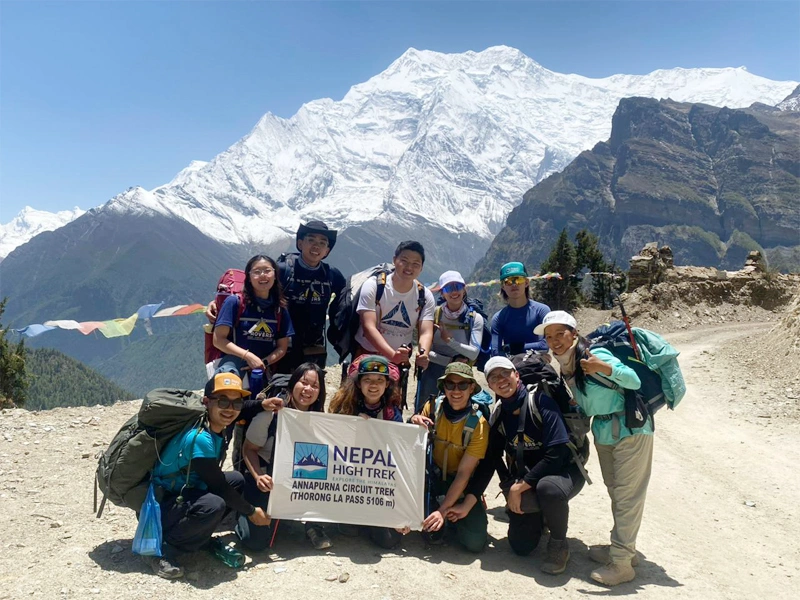
Introduction: Two Himalayan Routes, Two Different Experiences
Nepal has plenty of long Himalayan treks, and choosing between two of the biggest names isn’t just a matter of comparing photos of snowy peaks. The Annapurna Circuit Trek and the Manaslu Circuit Trek both loop around a major massif, and both send you over a pass above 5,000 metres. After that, they start to feel quite different.
Road access, permits, village life, the number of walking days and how much freedom you have to change plans all shape the trip. This guide walks through those differences in plain terms, so you can decide which circuit fits your fitness, your calendar and what you actually want from the mountains.
Understanding the Annapurna and Manaslu Circuit Trekking Routes
Annapurna Circuit: From River Valleys to High Mountain Country
The Annapurna Circuit follows the Marsyangdi Valley upstream, starting among green, farmed hillsides and slowly climbing into drier, more open country around Manang. From there the trail heads up to Thorong La, at 5,416 metres, then drops to Muktinath and continues toward the Mustang side of the range.
One thing to know early: roads have crept into parts of this route over the years. Some walkers now use vehicles for certain stretches, and others pick side trails to avoid the dust. So check where your itinerary really starts and finishes before you commit.
Manaslu Circuit: Remote Valleys and the Larkya La Crossing
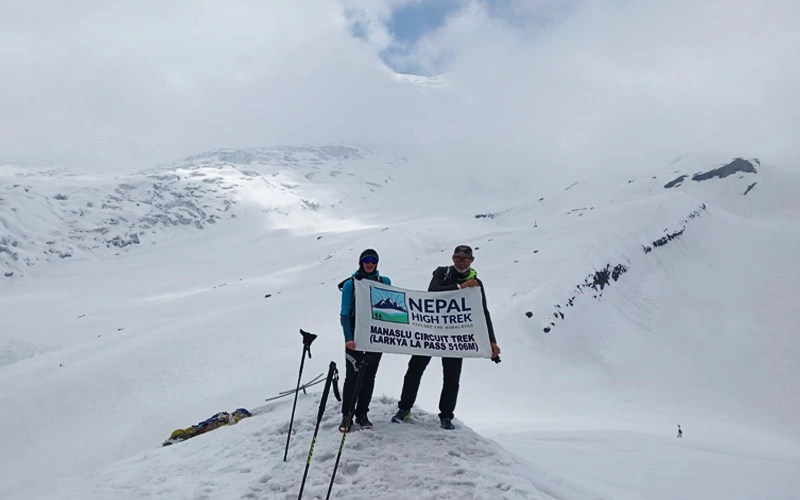
The Manaslu Circuit trek the Budhi Gandaki Valley through Jagat, Deng and Namrung, then climbs to Samagaun and Samdo beneath Manaslu itself. The big day is Larkya La, around 5,106 metres, followed by a long descent toward Dharapani.
Manaslu sits inside a restricted area, which means special permits and a licensed guide are part of the deal. Rules and group requirements can change, so confirm the current regulations before you book anything.
How the Mountain Landscapes and Village Experiences Differ
Peaks get the attention, but what you notice on foot is the ground changing under you. On the Annapurna Circuit, terraced fields and waterfalls gradually give way to dry, wind-scoured terrain around Manang and toward Mustang. Where roads share the valley, the walk can feel more mixed, with quiet footpath stretches broken up by jeep traffic.
Manaslu feels tighter at first. The Budhi Gandaki squeezes through steep, narrow sections, with suspension bridges, rocky paths and climbs that seem to go on a while. Then the valley opens up near Samagaun and Samdo, and the mountain scenery takes over.
Both trails involve long ascents and uneven surfaces. Busier villages bring more choice and more noise; quieter ones bring simplicity and fewer options. Neither route is always empty or always crowded, because the season and your itinerary make a big difference.
Local Culture, Mountain Communities, and Everyday Life
Culture on these treks mostly shows up in ordinary moments: a family cooking on a wood stove, mule trains carrying supplies, monks passing a mani wall, a farmer working a terrace. You don’t need a scheduled activity to see it. You just need to slow down a little.
The Annapurna route passes through several communities, including Gurung and Thakali settlements and villages with strong Tibetan influence. They are not the same, and it helps to treat each place on its own terms. Muktinath, a pilgrimage site, adds another layer for many visitors.
On Manaslu, the upper valley carries Nubri’s cultural ties, and the Tsum Valley is nearby but needs a separate route extension. It isn’t part of the standard circuit.
A few manners go a long way. Ask before photographing people. Follow the customs at monasteries. Walk around chortens and mani walls in the accepted direction. And remember that homes and prayer spaces are not exhibits. These are communities with their own daily lives, and you’re passing through them.
Altitude, Physical Difficulty, and Preparing for the High Passes
Here’s a quick side-by-side of the two circuits.
| Trekking factor | Annapurna Circuit | Manaslu Circuit |
| Major high pass | Thorong La, 5,416 m | Larkya La, approx. 5,106 m |
| Typical overall duration | Around 12–18 days | Around 14–18 days |
| Trail conditions | Roads, footpaths, steep ascents | Rugged paths, steep valleys, long ascents |
| Acclimatization locations | Manang area | Samagaun and Samdo |
| Route flexibility | Generally greater | More restricted by permit and guide arrangements |
A lower pass doesn’t automatically mean an easier trek. Daily distance, altitude gain, weather, how well you acclimatize and the length of the crossing day all matter. A shorter pass day after a rough week can feel harder than a longer one taken fresh.
Preparation should be boring and consistent. Build up sustained uphill walking, practise going downhill on tired legs, and train with a daypack and trekking poles if you plan to use them. Endurance counts for more than speed.
Altitude sickness deserves a direct word. If you have symptoms of acute mountain sickness, don’t go higher. Severe symptoms mean going down right away and getting medical help.
Teahouses, Meals, Transport, and Trekking Logistics
A typical teahouse stay is simple. Rooms are basic, some bathrooms are shared, and everyone eats in a communal dining room that’s often the warmest spot in the building. Higher up, heating and hot water get limited.
Food is hearty and repetitive in a good way: dal bhat, noodle soups, potatoes, eggs and plenty of tea. Menu variety and availability can shrink with altitude and bad weather, since everything has to be carried in.
Before you leave, confirm the practical stuff. That means vehicle transfers, trekking permits, licensed guide arrangements, water treatment, charging options, cash needs and emergency evacuation plans. For travelers comparing routes and planning logistics, Nepal High Trek is one trekking operator they may consult about current permit requirements, guide arrangements, and realistic walking itineraries.
Bring more cash than you think you’ll need, because ATMs don’t exist on the trail.
Best Seasons for the Annapurna and Manaslu Circuits
Spring, roughly March to May, and autumn, roughly September to November, are the usual choices. Temperatures are more manageable, visibility is often better and lodges are more likely to be open. None of that is a promise of clear skies.
Winter brings cold and snow, and monsoon weather brings clouds and wet trails. Even in popular months, heavy snow can close a high pass or make it unsafe. Leave some slack in your schedule and avoid tight international flight connections after the trek.
Which Circuit Is Better for Your Travel Style?
There’s no universal winner here. The Annapurna Circuit suits people who like variety, want more flexibility with their route, and are happy to rely on established trekking infrastructure.
The Manaslu Circuit suits those who prefer a more regulated, guided trip through comparatively remote settlements and don’t mind having fewer options to change course.
To decide, think about four things. How many days can you realistically spare? How much time have you spent at altitude before? How important is local culture to you compared with big scenery? And how do you handle long, tiring days back to back? Honest answers to those will point you in the right direction faster than any ranking.
Conclusion: The Route Matters, but So Does the Journey
These circuits are two different ways to understand Nepal’s mountains and the people who live in them. Pick the one that matches your preparation, your time and your real interests, not just whichever is more popular.
Frequently Asked Questions
Is the Manaslu Circuit Trek harder than the Annapurna Circuit Trek?
Both are demanding high-altitude routes. Difficulty depends on acclimatization, daily elevation gain, weather and itinerary design, not simply the maximum altitude.
Can beginners trek the Annapurna or Manaslu Circuit?
Fit beginners may manage either with sufficient preparation, suitable acclimatization and professional support. Neither is an easy introductory walk.
Do travelers need a guide for the Manaslu Circuit?
Yes. The restricted-area arrangements require an appropriately licensed guide and compliance with current permit and group rules.
Which trek offers more cultural experiences?
Both offer meaningful cultural encounters. Annapurna passes through more varied regional settings, while Manaslu provides extended exposure to communities in its upper mountain valleys.

562 Area Code: The Essential Guide to California’s Location, History, and Phone Numbers

Telephone Area Code 304: The Complete Guide to West Virginia’s Historic Calling Code

En Slovakia: Discover the Hidden Beauty, Rich Culture, and Fascinating History of Slovakia

Dough Moulding Compound: A Powerful Guide to Properties, Manufacturing, Benefits, and Industrial Applications

Annapurna Circuit Trek vs. Manaslu Circuit Trek: Routes, Mountain Villages, Local Culture, and Practical Travel Advice

Why Keeping Your PC Drivers Updated Matters More Than You Think?

Jett Hamilton Roberts: The Remarkable Story of Jill Scott’s Son, His Family, and Life Away From Fame

Jorge Bronze: The Inspiring Story of Lucy Bronze’s Brother Who Sparked Her Football Journey

Angie Bautista: The Remarkable Story of Dave Bautista’s Ex-Wife, Her Strength and Private Life

Julie Hallam: The Untold Story of Jeremy Irons’ First Wife and Her Acting Career
Everest Base Camp Trek vs Manaslu Circuit Trek: Routes, Difficulty, Costs, Altitude and Mountain Experience

Classroom 15x: The Ultimate Guide to Free Online Games, Features, Benefits, and Safe Gaming

Crackstube Explained: A Complete Guide to Its Features, Content, Safety, and Digital Publishing Platform

Startup Booted Fundraising Strategy: A Powerful Guide to Smart Funding and Sustainable Business Growth

Provascin: A Complete Guide to Its Ingredients, Potential Benefits, Uses, and Safety

ABS Testauslösung: Bedeutung, Funktion, häufige Fehler und wichtige Sicherheitstipps

HMJones.net Explained: A Complete Guide to Business Loans, Funding Options, and Smarter Financial Decisions

Pedal And Post Collapse: The Shocking Closure of Oxford’s Pioneering Green Delivery Company

Jeremy Yaffe: The Remarkable Untold Story of Alan Arkin’s First Wife and Her Life Beyond Hollywood

Sajar Plastics Inc: The Remarkable Story Behind Its Advanced Plastic Manufacturing Technology
562 Area Code: The Essential Guide to California’s Location, History, and Phone Numbers
Telephone Area Code 304: The Complete Guide to West Virginia’s Historic Calling Code
En Slovakia: Discover the Hidden Beauty, Rich Culture, and Fascinating History of Slovakia
Dough Moulding Compound: A Powerful Guide to Properties, Manufacturing, Benefits, and Industrial Applications
Annapurna Circuit Trek vs. Manaslu Circuit Trek: Routes, Mountain Villages, Local Culture, and Practical Travel Advice
Why Keeping Your PC Drivers Updated Matters More Than You Think?
Jett Hamilton Roberts: The Remarkable Story of Jill Scott’s Son, His Family, and Life Away From Fame
Jorge Bronze: The Inspiring Story of Lucy Bronze’s Brother Who Sparked Her Football Journey
Angie Bautista: The Remarkable Story of Dave Bautista’s Ex-Wife, Her Strength and Private Life
Julie Hallam: The Untold Story of Jeremy Irons’ First Wife and Her Acting Career
-
 Blog3 months ago
Beyond the Cages: How an Artificial Zoo Could Redefine Wildlife Travel
-
 Destination Guides3 months ago
Beyond the Map: Discovering Haslhof in Italy and Bavaria
-
Adventure Travel3 weeks ago
Everest Base Camp Trek vs Manaslu Circuit Trek: Routes, Difficulty, Costs, Altitude and Mountain Experience
-
 Entertainment2 weeks ago
Classroom 15x: The Ultimate Guide to Free Online Games, Features, Benefits, and Safe Gaming