
Travel
Annapurna Circuit Trek: A Complete Guide to One of Nepal’s Greatest Mountain Adventures

Why the Annapurna Circuit Trek Remains a Classic Himalayan Adventure
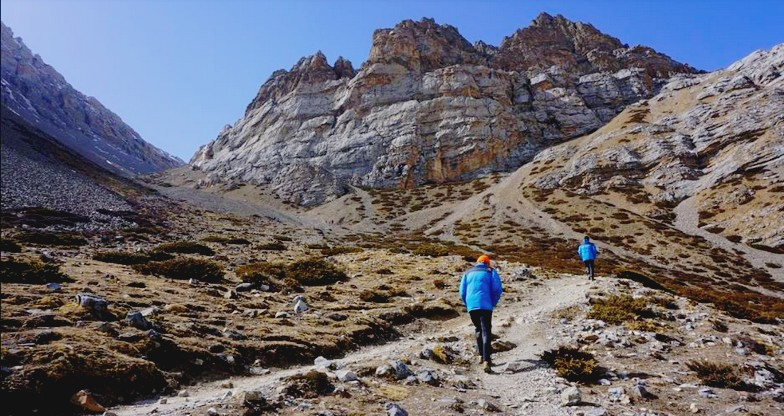
Picking a Himalayan trek isn’t easy. You want big mountains, real villages, scenery that keeps shifting, and just enough challenge that the views feel earned. The Annapurna Circuit Trek covers all of that. The trail climbs out of warm green valleys, passes through cold and dry high country, then crosses Thorong La Pass before dropping into Mustang. Not many routes in Nepal pack in this much variety.
It’s not a casual stroll, though. Expect long days on uneven paths, thin air above Manang, simple teahouse rooms, and a pass crossing that begins in the dark. This guide walks through the route, the highlights, difficulty, altitude, seasons, permits, packing, and the questions most people ask before they commit.
What Makes the Annapurna Circuit Trek Special?
The change in landscape is the big thing. You start among terraced fields and forested hills, and a few days later you’re walking through dry, rugged mountain terrain that feels like another country. Along the way you get views of the Annapurna range, Dhaulagiri, and plenty of other peaks, whenever the clouds allow.
The culture shifts too. Lower villages are mostly Hindu, while the higher settlements show a clear Tibetan Buddhist influence. Honestly, the pass is only part of the story. Daily walking, village life, dal bhat in a smoky dining room, and the slow rise in altitude make the trip what it is. One thing to know: roads have crept into parts of the traditional trail, so your experience will depend on the itinerary you choose.
Annapurna Circuit Trek Route: Villages, Valleys, and Mountain Passes
Starting the Journey Through the Lower Annapurna Region
Most trekkers begin around Besisahar, then use road transport to reach settlements further up where the walking trail is easier to pick up. The early days feel almost tropical, with rivers, farmland, and forested hills, before the valley slowly narrows and climbs. Where exactly you start walking depends on road conditions, how many days you have, and whether you’d rather walk or ride.
Manang: An Important Stop Before Higher Altitudes
Manang is where most people rest, acclimatize, and get ready for what’s next. The landscape is drier here, with traditional stone buildings, big mountain backdrops, and cozy teahouses full of trekkers swapping stories. Don’t rush through. Skipping proper rest in Manang tends to make the following days much harder than they need to be.
Thorong La Pass: The Major Challenge of the Route
Thorong La sits at roughly 5,416 metres, and crossing it means an early start, freezing temperatures, and a long, steady climb. Go slowly. A controlled pace matters far more than speed. Snow, wind, and poor visibility can change things fast, so conditions on the day may decide whether you cross at all. Reaching the top depends on preparation, how you’re feeling, and the weather.
Muktinath and the Descent Toward Jomsom
After the pass, the trail drops toward Muktinath, a place of real religious importance. The scenery changes again, this time to open valleys, rocky slopes, and unusual high-altitude settlements in Mustang’s dry landscape. Where you finish, and how you get out, depends on your itinerary and the transport you arrange.
Main Scenery and Highlights Along the Annapurna Circuit
The mountain views come first: Annapurna, Dhaulagiri, and other peaks, depending on the weather and where you’re standing. Lower down, the Marsyangdi River Valley brings cultivated terraces, suspension bridges, and busy little settlements. Around Manang the world turns dry and open, with striking hillsides and wide valleys.
Then there’s Thorong La, a demanding crossing and the milestone most people remember. On the far side, Muktinath and Mustang offer religious heritage and arid terrain that look nothing like the green valleys you left behind. Just keep in mind that cloud cover, season, and route changes all affect what you actually see each day.
How Difficult Is the Annapurna Circuit Trek?
Fitness and Daily Walking Requirements
You’ll be walking for many days in a row, on uneven trails, up steep climbs, and down long descents. Regular walking, stair climbing, hill training, and cardio in the weeks before will help a lot. Daily distances and hours vary by itinerary, altitude, weather, and your own pace.
Altitude and Acclimatization
Altitude becomes a serious concern above Manang and on the approach to Thorong La. Climb gradually, take acclimatization days, drink plenty of water, and pay attention to how your body feels. Being fit doesn’t protect you from altitude sickness. If symptoms appear, stop going up. Descend, and get medical help when needed.
Who Should Consider This Trek?
Reasonably fit travelers who can prepare for several days of consecutive walking will be fine. Beginners can do it with good preparation and a sensible itinerary, but nobody should underestimate the altitude or the pass crossing.
Best Time for the Annapurna Circuit Trek
Spring: March to May
Spring is generally milder, with warming temperatures and seasonal greenery in the lower areas. Higher up, it can still get cold and snowy.
Autumn: September to November
Autumn is a favorite for clearer mountain views and mostly stable trekking conditions. The flip side is crowds, so popular sections and teahouses can fill up during peak weeks.
Winter and Monsoon Considerations
Winter brings extreme cold, snow, and the possibility of pass closures. Monsoon rain can affect lower trails, roads, and visibility, and landslides become a real risk. Seasonal averages only go so far, so check current weather and trail conditions before you leave.
Permits, Guides, Accommodation, and Food
Trekking Permits and Local Requirements
Permit and registration rules change, so verify them against current Nepal tourism regulations before you travel. The Annapurna Conservation Area has its own entry requirements. Confirm the details with official authorities or a reputable local operator.
Teahouses and Overnight Stays
Teahouses offer simple rooms, shared dining spaces, and bathrooms that range from decent to basic. At higher elevations, heating, hot showers, charging, and Wi-Fi may be limited or cost extra.
Food and Drinking Water
Dal bhat, noodle soups, and rice dishes are the staples. Treat your water and carry purification supplies. Regular meals and plenty of fluids matter on long walking days.
Guide and Porter Arrangements
A guide can help with route decisions, local communication, and changing conditions. If you hire a porter, make sure there are clear weight limits and fair working conditions.
How to Prepare for the Annapurna Circuit Trek
Essential Clothing and Equipment
Bring layers, insulated outerwear, waterproof protection, proper trekking boots, and warm gloves. A comfortable daypack, headlamp, sun protection, water bottles, and trekking poles all earn their space. Choose a sleeping bag rated for the temperatures you expect.
Health, Safety, and Altitude Awareness
Get travel insurance that explicitly covers trekking at your planned altitude, including helicopter evacuation where it applies. Carry personal medication, a basic first-aid kit, and emergency contacts. Learn the signs of altitude sickness and know your descent plan.
Planning Transport and Daily Expenses
Leave some slack for road delays, itinerary changes, and weather. Budget realistically for accommodation, meals, transport, permits, guide services, equipment, and emergencies. Costs shift with season, route, group size, and service level.
Responsible Trekking and Cultural Respect
Be respectful at monasteries, temples, and religious sites, and ask before photographing people. Cut down on plastic, use refillable bottles where it’s safe, and take your rubbish with you. Buy food and services locally, and treat guides and porters fairly. For itinerary planning and arrangements, a local resource such as Nepal Eco Adventure can be helpful.
Frequently Asked Questions About the Annapurna Circuit Trek
How many days does the Annapurna Circuit Trek take?
It depends on your starting point, walking route, acclimatization days, transport, and finishing point.
What is the highest point of the Annapurna Circuit Trek?
Thorong La Pass, at approximately 5,416 metres above sea level.
Is the Annapurna Circuit Trek suitable for beginners?
Yes, with preparation, gradual acclimatization, realistic daily stages, and a clear awareness of altitude risks.
Which month is best for the Annapurna Circuit Trek?
Spring and autumn are usually the best, though actual conditions vary from year to year.
Do I need a guide for the Annapurna Circuit Trek?
Check current guiding and registration requirements before departure, and think about the practical benefits of local support.
What should I pack for the Annapurna Circuit Trek?
Layered clothing, sturdy footwear, sun protection, water treatment, essential medication, and gear suited to cold conditions.
Planning a More Rewarding Annapurna Circuit Journey
The Annapurna Circuit Trek comes down to a few things: changing landscapes, Himalayan views, cultural encounters, and the challenge of Thorong La. Good preparation, a realistic itinerary, gradual acclimatization, and an eye on the weather make for a safer trip.
Plan around your fitness, your available time, and how comfortable you are at altitude, instead of just chasing the finish line. And before you set off, check current trail conditions, transport arrangements, and permit requirements.

BabyTron Net Worth 2026: The Impressive Rise of a Michigan Rap Star

How to Choose the Right HR Support Model for a Growing Business

Annapurna Circuit Trek: A Complete Guide to One of Nepal’s Greatest Mountain Adventures

Everest Adventure Guide: Trekking, Helicopter Tours and Island Peak Climbing

Accessible Login Experiences: A Practical Checklist For Clearer, Safer Forms

How To Design Useful Conversational AI Avatars For Learning And Customer Support

Tobiko: The Colorful Japanese Delicacy That Makes Sushi More Delicious and Exciting

Reviews of Competitors: A Powerful Guide to Understanding Customer Feedback and Winning Business Strategies

InstaPV: The Ultimate Guide to Anonymous Instagram Viewing, Features, Privacy, and Safety in 2026

Puffco: The Complete Guide to Its History, Innovative Technology, Products, and Brand Evolution

Classroom 15x: The Ultimate Guide to Free Online Games, Features, Benefits, and Safe Gaming

How Dental Implant Quotes Are Built: A Practical Cost Guide for Maple Grove, Minnesota

Crackstube Explained: A Complete Guide to Its Features, Content, Safety, and Digital Publishing Platform

Jeremy Yaffe: The Remarkable Untold Story of Alan Arkin’s First Wife and Her Life Beyond Hollywood

ABS Testauslösung: Bedeutung, Funktion, häufige Fehler und wichtige Sicherheitstipps

Startup Booted Fundraising Strategy: A Powerful Guide to Smart Funding and Sustainable Business Growth

Provascin: A Complete Guide to Its Ingredients, Potential Benefits, Uses, and Safety

Nippybox Explained: What Happened to the Popular File-Sharing Platform in 2026?

HMJones.net Explained: A Complete Guide to Business Loans, Funding Options, and Smarter Financial Decisions

Pedal And Post Collapse: The Shocking Closure of Oxford’s Pioneering Green Delivery Company
BabyTron Net Worth 2026: The Impressive Rise of a Michigan Rap Star
How to Choose the Right HR Support Model for a Growing Business
Annapurna Circuit Trek: A Complete Guide to One of Nepal’s Greatest Mountain Adventures
Everest Adventure Guide: Trekking, Helicopter Tours and Island Peak Climbing
Accessible Login Experiences: A Practical Checklist For Clearer, Safer Forms
How To Design Useful Conversational AI Avatars For Learning And Customer Support
Tobiko: The Colorful Japanese Delicacy That Makes Sushi More Delicious and Exciting
Reviews of Competitors: A Powerful Guide to Understanding Customer Feedback and Winning Business Strategies
InstaPV: The Ultimate Guide to Anonymous Instagram Viewing, Features, Privacy, and Safety in 2026
Puffco: The Complete Guide to Its History, Innovative Technology, Products, and Brand Evolution
-
 Destination Guides4 months ago
Beyond the Map: Discovering Haslhof in Italy and Bavaria
-
 Blog3 months ago
Beyond the Cages: How an Artificial Zoo Could Redefine Wildlife Travel
-
 Adventure Travel1 month ago
Everest Base Camp Trek vs Manaslu Circuit Trek: Routes, Difficulty, Costs, Altitude and Mountain Experience
-
 Entertainment3 weeks ago
Classroom 15x: The Ultimate Guide to Free Online Games, Features, Benefits, and Safe Gaming