
Foods
Tobiko: The Colorful Japanese Delicacy That Makes Sushi More Delicious and Exciting

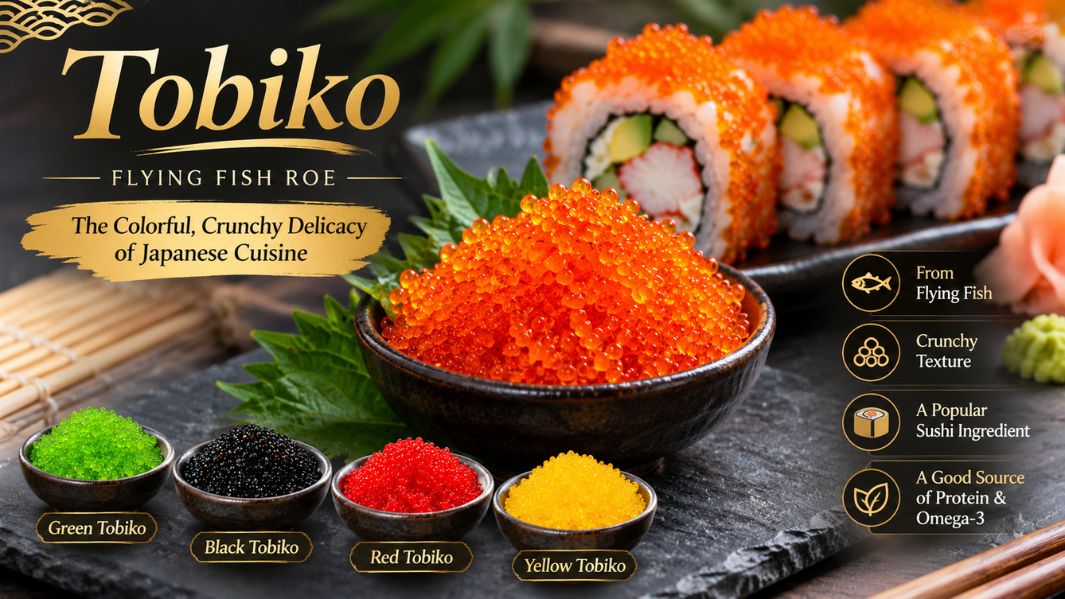
Tobiko is one of the most fascinating ingredients in Japanese cuisine, recognized for its vibrant appearance, delicate seafood flavor, and distinctive crunchy texture. These tiny fish eggs are common in sushi restaurants, where they add an exciting mix of color, taste, and texture to beautifully prepared dishes. Although Tobiko may seem like a simple garnish, it plays an important role in Japanese food presentation and culinary creativity.
From traditional sushi rolls to modern seafood recipes, this ingredient has become increasingly familiar to food enthusiasts worldwide. Its gentle saltiness and satisfying pop make it especially appealing to people who enjoy exploring different seafood ingredients.
This article explores Tobiko, including its origins, unique characteristics, different colors, nutritional value, popular culinary uses, and important considerations for choosing and storing it.
What Is Tobiko?
Tobiko is the roe, or edible eggs, of flying fish, a group of marine fish known for gliding above the ocean’s surface. The word Tobiko comes from Japanese culinary terminology and is widely associated with small fish eggs used in sushi preparation. These eggs are extremely tiny, generally measuring around one millimeter in diameter, and are appreciated for their pleasantly crisp texture. When eaten, they produce a gentle popping sensation that makes them different from many other types of seafood roe.
Tobiko is frequently served as a topping for sushi rolls, nigiri, and seafood appetizers. Its bright orange appearance creates an attractive contrast against white rice, dark seaweed, and colorful vegetables. Commercial varieties may also be seasoned or colored to add flavor and visual appeal. While Tobiko is often compared with other fish eggs, its unique combination of crunch, mild saltiness, and decorative appeal has earned it its own place in Japanese cuisine.
The Origins and Cultural Importance of Tobiko
Tobiko’s popularity is closely tied to Japanese culinary traditions, particularly the preparation and presentation of sushi. Japanese cuisine places considerable importance on balancing flavor, appearance, texture, and freshness. Tobiko complements these principles because even a small quantity can noticeably change the eating experience. Its delicate texture contrasts with soft sushi rice, tender seafood, and creamy ingredients.
As Japanese restaurants expanded internationally, Tobiko became a familiar ingredient in modern sushi creations. Its colorful appearance made it especially suitable for visually appealing rolls designed for customers who enjoy innovative combinations. Today, it appears in restaurants across Asia, Europe, North America, and many other regions. Although its use has expanded beyond traditional Japanese recipes, Tobiko remains strongly associated with sushi culture and the careful presentation that makes Japanese seafood dishes distinctive.
How Is Tobiko Harvested and Prepared?
Tobiko begins as roe collected from flying fish. After harvesting, the eggs are carefully processed to preserve their texture and make them suitable for commercial culinary use. Depending on the producer, preparation may include cleaning, salting, seasoning, coloring, and packaging under controlled conditions. These steps affect the product’s final taste, appearance, and shelf life.
Some varieties are seasoned with ingredients such as salt, sugar, vinegar, or soy-based mixtures to develop a balanced savory flavor. Others receive additional seasonings to create distinctive colors and tastes. Maintaining the delicate structure of the eggs is important because excessive handling or unsuitable temperatures can damage their characteristic popping texture.
The finished product’s quality depends on the roe’s source, processing standards, freshness, and storage conditions. Properly handled Tobiko should have a pleasant marine aroma rather than an unpleasant or strongly spoiled smell. Consumers should purchase it from reliable seafood suppliers that provide clear ingredient information and appropriate storage instructions.
What Does Tobiko Taste Like?
One of Tobiko’s most recognizable qualities is its unusual combination of a mild seafood flavor and a crunchy mouthfeel. Its taste is generally described as slightly salty, subtly sweet, and pleasantly briny. The flavor is usually not overpowering, making it suitable for pairing with rice, seafood, vegetables, and creamy sauces.
The texture is what makes Tobiko especially memorable. Unlike larger fish eggs that release a noticeable amount of liquid when bitten, these tiny eggs create a delicate series of crisp pops. This sensation adds an interesting contrast to soft ingredients, including avocado, sushi rice, and cooked seafood.
The final taste also depends on how the roe has been seasoned. Wasabi-flavored Tobiko may provide noticeable heat, while citrus-seasoned varieties can introduce a refreshing note. Traditional orange varieties generally offer a straightforward savory flavor. Because its natural taste is relatively mild, Tobiko can enhance a dish without overwhelming its other ingredients.
Different Colors and Varieties of Tobiko
Tobiko is famous for its impressive range of colors. The familiar commercial orange variety is particularly popular, although the natural appearance of flying fish roe can vary, and processing may enhance its color. Food producers also create differently colored versions using seasonings and coloring ingredients. These variations contribute to both the appearance and flavor of the finished product.
Orange Tobiko is the classic variety commonly served on sushi rolls. It offers a delicate salty taste and a satisfying crunch. Green Tobiko is often associated with wasabi seasoning, which introduces a mildly spicy flavor. Black Tobiko may be prepared with squid ink, producing a dramatic appearance that contrasts beautifully with light-colored seafood and rice.
Red Tobiko can be colored or seasoned using ingredients such as beetroot or chili, depending on the manufacturer. Yellow Tobiko is sometimes flavored with yuzu, a Japanese citrus fruit that contributes a refreshing aromatic character.
Not every color necessarily contains the ingredient traditionally associated with it. Manufacturers may use different flavorings or permitted food colorings, so checking the product label is the best way to understand its composition.
Tobiko vs. Masago vs. Ikura: Understanding the Differences
Tobiko is sometimes confused with other Japanese seafood roe, particularly Masago and Ikura. Although all three are used in sushi preparation, they come from different fish and offer different eating experiences.
Tobiko comes from flying fish and is valued for its distinctive crisp texture. Its eggs are small, colorful, and moderately salty. Masago comes from capelin, a small marine fish, and its eggs are generally finer and softer. Masago is frequently used as a lower-cost alternative to Tobiko because the two products can look similar after seasoning and coloring.
Ikura usually refers to salmon roe, which has much larger, rounder eggs. These eggs have a softer exterior and release a more noticeable burst of liquid when you eat them. Ikura also generally has a richer seafood flavor.
The differences become clearer when the ingredients are tasted separately. Tobiko provides a fine crunch, Masago creates a softer texture, and Ikura offers a larger, juicier burst. Understanding these characteristics helps diners recognize the ingredients used in their favorite Japanese dishes.
Why Is Tobiko Popular in Sushi?
Tobiko is particularly popular in sushi because it enhances several qualities at once. Its colorful appearance makes sushi rolls more attractive, while its delicate saltiness complements rice and seafood. Most importantly, its crunchy texture contrasts with the softer ingredients commonly used in sushi preparation.
Many restaurants use Tobiko on the outside of inside-out sushi rolls, where the eggs adhere to the rice and create an attractive coating. It is also used in gunkan-maki, a type of sushi with a small mound of rice wrapped in seaweed and topped with delicate ingredients.
Tobiko pairs especially well with avocado, cucumber, crab, shrimp, and various fish preparations. Its mild flavor lets chefs experiment without substantially changing a dish’s main character. Whether served in a traditional presentation or a modern fusion roll, Tobiko can make an otherwise simple combination more interesting and memorable.
Creative Ways to Use Tobiko Beyond Sushi
Although Tobiko is most closely associated with sushi, its culinary possibilities extend far beyond Japanese rice rolls. Its combination of color, saltiness, and texture makes it an appealing finishing ingredient for many different dishes.
For example, you can sprinkle Tobiko over seafood salads to add a bright visual accent and a subtle crunch. It can also complement chilled noodle dishes, rice bowls, and carefully prepared seafood appetizers. Some chefs incorporate it into creamy dressings or mayonnaise-based sauces, creating an interesting contrast between the smooth sauce and the crisp fish eggs.
Another popular approach pairs Tobiko with ingredients such as avocado, cucumber, and cooked shrimp. These combinations balance richness, freshness, and gentle seafood flavors.
For the best texture, Tobiko is usually added near the end of preparation rather than exposed to prolonged heat. Excessive cooking can damage the delicate eggs and reduce their characteristic crunch.
Nutritional Value and Potential Health Benefits of Tobiko
Tobiko contains several nutrients naturally associated with fish roe. These include protein, certain minerals, and marine-derived fats, although the exact nutritional composition varies depending on the fish species, processing method, seasoning, and serving size.
Fish roe can contain omega-3 fatty acids, which contribute to normal bodily functions as part of a balanced diet. Protein also supports the maintenance and repair of body tissues. However, Tobiko is commonly eaten in small garnish-sized portions, so the actual contribution of these nutrients may be modest.
Another important nutritional consideration is sodium. Because Tobiko is frequently salted or seasoned during processing, some commercial products may contain substantial sodium relative to their serving size. Fish roe also naturally contains cholesterol.
People monitoring their sodium intake should examine nutrition labels and use appropriate portions. Tobiko can be enjoyed as part of a varied eating pattern. Still, it should not replace a balanced diet or be considered a source of any particular health benefit.
How to Choose Fresh and High-Quality Tobiko
Selecting good-quality Tobiko can improve both the flavor and appearance of seafood dishes. First, buy from a reputable supplier that maintains proper refrigeration and clearly identifies its products. Packaging should be intact, and consumers should check the expiration date, storage requirements, and ingredient list.
High-quality Tobiko should retain its distinct, delicate eggs rather than appearing excessively watery or damaged. Its aroma should be clean and characteristic of fresh seafood, without unpleasant sour or spoiled odors.
Color alone is not a reliable measure of freshness because many commercial products contain added coloring. Instead, look for consistent handling, proper labeling, and trustworthy sourcing.
Consumers with dietary restrictions should also examine the ingredient list carefully. Certain products may contain soy-based seasonings, wheat-containing ingredients, squid ink, or other additives. Understanding these details can help shoppers select a variety suited to their individual needs.
How to Store Tobiko Properly
Proper storage is essential for maintaining Tobiko’s freshness, quality, and food safety. Like other perishable seafood products, Tobiko should be kept at the temperature specified by its manufacturer. Refrigerated products should generally be kept at 40°F (4°C) or below, while frozen products should remain frozen until needed.
If the product is sold frozen, thaw it in the refrigerator rather than leaving it at room temperature. Once opened or thawed, Tobiko should be consumed within the period recommended on the packaging. Shelf life varies by processing methods and preservatives, so you can’t assume a universal storage duration.
Using clean utensils also helps prevent contamination. Avoid repeatedly exposing the eggs to warm temperatures or returning portions that have been sitting out to the original container.
Correct storage helps preserve the roe’s delicate texture and reduces the risk of foodborne illness.
Is Tobiko Safe for Everyone to Eat?
Tobiko can be enjoyed by many seafood enthusiasts, but certain precautions are important. Because it is made from fish eggs, people with fish allergies should avoid it unless advised otherwise by an appropriate medical professional. Some flavored varieties may contain additional allergens, so ingredient labels are especially important.
Pregnant individuals, young children, older adults, and people with weakened immune systems should be especially careful with raw or unpasteurized seafood products. Raw fish roe may carry foodborne pathogens, and curing or freezing does not automatically make a product safe for every vulnerable group. These individuals should choose appropriately cooked or otherwise verified safe alternatives.
People who avoid certain animal-derived ingredients should also remember that Tobiko is an animal product, not a vegetarian ingredient. Colored varieties may contain additional seafood-derived seasonings.
Choosing reliable suppliers, understanding product ingredients, and following food-safety recommendations are essential for responsible consumption.
The Growing Popularity of Tobiko in Modern Cuisine
Tobiko has gained recognition beyond traditional Japanese dining because it combines attractive presentation with an unusual eating experience. Modern restaurants often experiment with ingredients that add visual appeal, and Tobiko offers a practical way to add color and texture without elaborate preparation.
Its popularity has also been supported by the international growth of sushi restaurants and the increasing availability of Japanese ingredients in specialty grocery stores. Food enthusiasts can now encounter Tobiko in seafood bowls, fusion appetizers, and contemporary restaurant dishes.
At the same time, responsible sourcing is becoming an important consideration within the seafood industry. Harvesting conditions and sustainability practices can vary between fisheries and suppliers. Choosing products with transparent sourcing information can help consumers make more informed purchasing decisions.
As culinary experimentation continues, Tobiko remains an interesting ingredient for chefs who want to balance traditional Japanese flavors with creative modern presentations.
Conclusion
Tobiko is much more than a colorful sushi garnish. Its distinctive crunchy texture, delicate salty flavor, and impressive range of colors make it a valuable ingredient in Japanese cuisine and modern seafood cooking. From traditional sushi rolls to creative appetizers, these tiny flying fish eggs enhance dishes with their visual appeal and satisfying texture.
Understanding the differences between Tobiko, Masago, and Ikura helps seafood enthusiasts appreciate each one’s unique qualities. Learning about proper storage, ingredient labeling, nutritional considerations, and food safety also allows consumers to make informed decisions. Whether enjoyed in a restaurant or incorporated into a carefully prepared home dish, Tobiko offers a memorable way to experience the diversity of Japanese culinary traditions.
Frequently Asked Questions About Tobiko
1. What is Tobiko made from?
Tobiko is made from the edible eggs of flying fish. People collect, process, and often season these tiny eggs before using them in sushi and seafood dishes. They are especially known for their crunchy texture and colorful appearance.
2. What does Tobiko taste like?
Tobiko has a mildly salty, slightly sweet, and delicate seafood flavor. Its most distinctive characteristic is the gentle popping sensation produced when the tiny eggs are chewed. Flavored varieties may also have spicy or citrus notes.
3. Is Tobiko the same as caviar?
No. Although Tobiko is sometimes informally compared with caviar, traditional caviar refers to salted sturgeon roe. Tobiko comes from flying fish and has smaller eggs with a noticeably different texture.
4. Is Tobiko healthy to eat?
Tobiko contains protein and certain nutrients found in fish roe. However, it may also contain considerable sodium and cholesterol, and serving sizes are usually small. It is best enjoyed in moderation as part of a balanced diet.
5. Can Tobiko be eaten without cooking?
Many commercially prepared Tobiko products are intended to be eaten without further cooking, but this does not guarantee that all products are safe for everyone. Always follow the manufacturer’s instructions. Pregnant individuals and others at increased risk of foodborne illness should avoid raw or unpasteurized roe and choose appropriately safe alternatives.

Accessible Login Experiences: A Practical Checklist For Clearer, Safer Forms

How To Design Useful Conversational AI Avatars For Learning And Customer Support

Tobiko: The Colorful Japanese Delicacy That Makes Sushi More Delicious and Exciting

Reviews of Competitors: A Powerful Guide to Understanding Customer Feedback and Winning Business Strategies

InstaPV: The Ultimate Guide to Anonymous Instagram Viewing, Features, Privacy, and Safety in 2026

Puffco: The Complete Guide to Its History, Innovative Technology, Products, and Brand Evolution

Katie Drysen: The Remarkable Life, Career, and Love Story of Jason Earles’ Wife

Noah Earles: Fascinating Facts About Jason Earles’ Daughter, Family, and Private Life

Barbara Krajkowski: Inspiring Life, Theater Career, Family, and Lasting Legacy

Sebastian Sartor: The Remarkable Life, Music Career, Family, and Success of Connie Nielsen’s Son

Everest Base Camp Trek vs Manaslu Circuit Trek: Routes, Difficulty, Costs, Altitude and Mountain Experience

Classroom 15x: The Ultimate Guide to Free Online Games, Features, Benefits, and Safe Gaming

How Dental Implant Quotes Are Built: A Practical Cost Guide for Maple Grove, Minnesota

Crackstube Explained: A Complete Guide to Its Features, Content, Safety, and Digital Publishing Platform

Jeremy Yaffe: The Remarkable Untold Story of Alan Arkin’s First Wife and Her Life Beyond Hollywood

Startup Booted Fundraising Strategy: A Powerful Guide to Smart Funding and Sustainable Business Growth

ABS Testauslösung: Bedeutung, Funktion, häufige Fehler und wichtige Sicherheitstipps

Provascin: A Complete Guide to Its Ingredients, Potential Benefits, Uses, and Safety

Nippybox Explained: What Happened to the Popular File-Sharing Platform in 2026?

HMJones.net Explained: A Complete Guide to Business Loans, Funding Options, and Smarter Financial Decisions
Accessible Login Experiences: A Practical Checklist For Clearer, Safer Forms
How To Design Useful Conversational AI Avatars For Learning And Customer Support
Tobiko: The Colorful Japanese Delicacy That Makes Sushi More Delicious and Exciting
Reviews of Competitors: A Powerful Guide to Understanding Customer Feedback and Winning Business Strategies
InstaPV: The Ultimate Guide to Anonymous Instagram Viewing, Features, Privacy, and Safety in 2026
Puffco: The Complete Guide to Its History, Innovative Technology, Products, and Brand Evolution
Katie Drysen: The Remarkable Life, Career, and Love Story of Jason Earles’ Wife
Noah Earles: Fascinating Facts About Jason Earles’ Daughter, Family, and Private Life
Barbara Krajkowski: Inspiring Life, Theater Career, Family, and Lasting Legacy
Sebastian Sartor: The Remarkable Life, Music Career, Family, and Success of Connie Nielsen’s Son
-
 Destination Guides3 months ago
Beyond the Map: Discovering Haslhof in Italy and Bavaria
-
 Blog3 months ago
Beyond the Cages: How an Artificial Zoo Could Redefine Wildlife Travel
-
Adventure Travel4 weeks ago
Everest Base Camp Trek vs Manaslu Circuit Trek: Routes, Difficulty, Costs, Altitude and Mountain Experience
-
 Entertainment3 weeks ago
Classroom 15x: The Ultimate Guide to Free Online Games, Features, Benefits, and Safe Gaming