Travel
Mardi Himal Trek vs Everest View Trek: Scenery, Difficulty, and Time

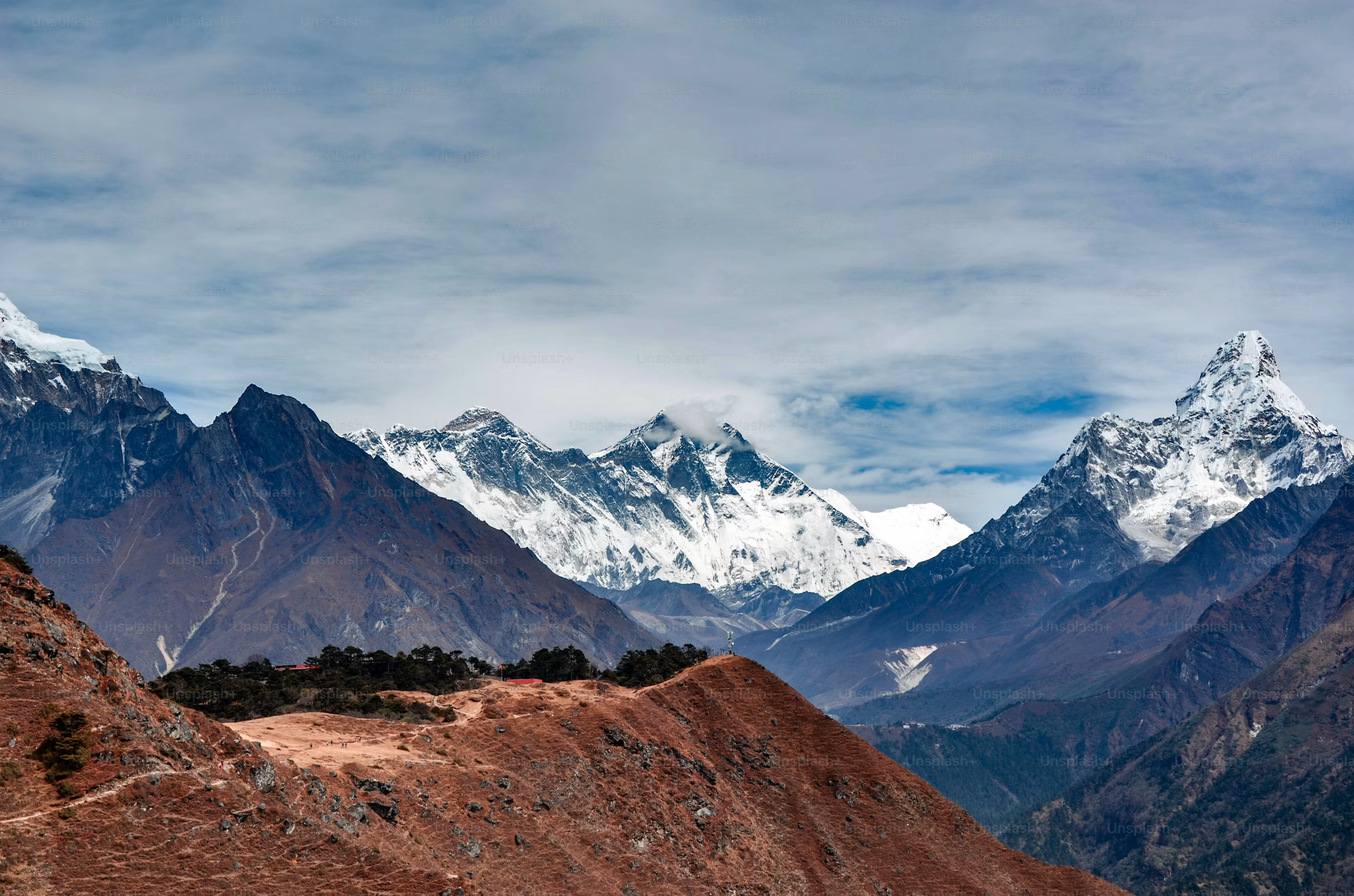
Picking a Himalayan trek is harder than it looks. You’ve got a handful of days off, a fitness level you’re honestly not sure about, a budget, and a head full of mountain photos that all look equally incredible. So which route do you actually book?
Two options come up a lot for people who want real mountain scenery without signing up for a long expedition. The Mardi Himal Trek climbs through forest and along a narrow ridge in the Annapurna region, with Machhapuchhre and the Annapurna range filling the sky as you gain height. The Everest View Trek is a shorter walk in the Khumbu, built around Sherpa villages, monasteries and a look at Everest, without the full march to Everest Base Camp.
Neither one is simply better. They suit different people, and this guide walks through where they differ so you can choose with a clear head.
Mardi Himal Trek: Up Close With the Annapurna Mountains
What Makes the Route Different
The trail starts low and green. You climb through rhododendron and oak forest on old village paths, then the trees thin out and you step onto open ridges where the Annapurna range suddenly feels very close. Machhapuchhre, the Fishtail, takes over the skyline, with Annapurna South standing beside it. The scenery shifts a lot as you go up, which keeps the days interesting.
What the Walking Days Feel Like
Expect steep sections, stone steps and uneven ground. Nothing technical, but it’s a lot of sustained uphill, and your legs will let you know. The reward is quiet. The forest stretches can be peaceful, and the narrow ridge higher up feels properly remote.
How Far Should You Trek?
High Camp and Mardi Himal Base Camp are the two big landmarks. How high you actually get depends on weather, trail conditions, how well you’re acclimatizing and how strong you feel that day. Treat the base camp as a goal, not a promise.
Everest View Trek: Khumbu Scenery Without the Full Base Camp Journey
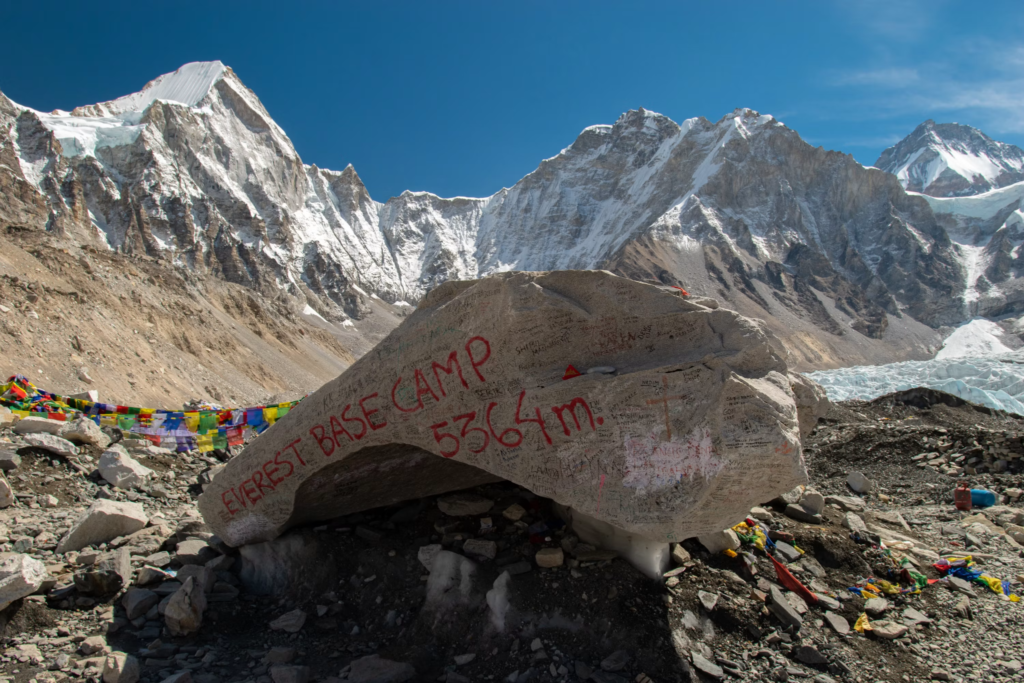
Following the Khumbu Trail
Most itineraries begin with the flight into Lukla, then follow the trail through Phakding and up to Namche Bazaar. Depending on how many days you have, some groups continue towards Tengboche, while shorter plans turn back earlier.
Sherpa Culture and Mountain Life
This is where the Everest View Trek really earns its place. Namche is a busy trading and trekking hub, and the villages around it are full of prayer flags, mani walls and monasteries. Take your time here. Ask before photographing people, and be mindful around religious sites and local customs.
What You Can See Along the Way
Views of Everest and the peaks around it depend on weather, visibility and which viewpoints your route includes. Clouds roll in fast in the mountains, so no itinerary can promise clear skies every day. And to be clear, this trek is about the Khumbu landscape and culture, not about reaching Everest Base Camp.
Mardi Himal Trek vs Everest View Trek: What Actually Matters?
A quick side-by-side helps before the details.
| Factor | Mardi Himal Trek | Everest View Trek |
| Region | Annapurna region | Everest/Khumbu region |
| Main appeal | Forest trails, ridges, close mountain views | Sherpa culture, monasteries, Everest-region scenery |
| Typical starting point | Kande or another itinerary-dependent trailhead | Lukla |
| Common highlights | Forest camps, High Camp, Mardi Himal Base Camp area | Namche Bazaar, Everest viewpoints, possible Tengboche visit |
| Trekking experience | Ridge walking and sustained uphill sections | Village-to-village walking with significant elevation changes |
| Accommodation | Teahouses and trekking lodges along the route | Teahouses and lodges in established Khumbu settlements |
| Main planning concern | Steep climbs and high-altitude exposure | Lukla flight logistics and gradual acclimatization |
| Best suited to | Travelers drawn to quieter trails and ridge scenery | Travelers interested in Sherpa culture and the Everest region |
Don’t read the table as a difficulty ranking. Neither trek is automatically easier for everyone. Your fitness, how your body handles altitude, the length of the itinerary, the weather and how much walking you’ve done before all change the picture.
How Many Days Do You Need for Each Trek?
Planning Time for Mardi Himal
Many itineraries run about four to six trekking days, depending on where you start, where you sleep each night, and whether you add time in Pokhara before or after.
Planning Time for Everest View
A short Everest-region plan often takes around five to eight days. The exact number shifts with the route, the acclimatization schedule, flights and how you return.
One more thing about Lukla: flights get delayed or cancelled, and it happens more than people expect. Build in a spare day, and don’t book an international connection too close to your return flight. A little buffer saves a lot of stress.
Altitude, Fitness, and Acclimatization: What Trekkers Should Know
Understand the Altitude Difference
Mardi Himal Base Camp is commonly listed at roughly 4,500 metres. Namche Bazaar sits around 3,440 metres and Tengboche around 3,860 metres. Maps and route descriptions vary a little, so treat these as approximate. The takeaway is that Mardi Himal reaches a higher point, while the Everest View Trek spends more of its time in the mid-3,000s.
Prepare for Uphill Walking
Regular walking, hill sessions, stair climbing and a few outings with a light daypack all help in the weeks beforehand. Just know that fitness makes the effort easier but doesn’t protect you from altitude sickness. Very fit people get it too.
Recognize Warning Signs
Headache, nausea, dizziness, unusual tiredness and a lost appetite can all point to altitude sickness. If you feel them, don’t climb higher. Rest, and head down and find medical help if things get worse. Confusion, trouble walking in a straight line, or breathlessness while resting are emergencies. Descend straight away and get help.
Best Season, Weather, and Trail Conditions
Spring (March to May) and autumn (September to November) are the usual favorites, with clearer mountain views and generally friendlier trekking conditions.
In spring, rhododendrons can bloom through the forested sections of the Mardi Himal route, which is a lovely bonus. Autumn tends to bring crisp, sharp mountain scenery, though the weather is never guaranteed. The monsoon is a different story: rain, leeches on the lower trails, slippery paths and views hidden behind cloud. Winter means cold nights, snow, and trouble reaching the higher sections.
Conditions also change with elevation and from year to year, so check current trail, weather and flight information before you leave.
Accommodation, Food, and Everyday Trekking Costs
Both treks use teahouses and lodges, and the facilities vary by village and altitude. Higher up, expect simpler rooms and fewer comforts. Meals are hearty and familiar: dal bhat, noodles, soups, rice dishes and whatever else the kitchen can manage. Hot showers, device charging, Wi-Fi and bottled drinks often cost extra, and the price tends to climb with the altitude.
Beyond the daily basics, you’ll need to budget for permits, insurance, transport to the trailhead, and guide and porter arrangements. The Everest View Trek adds the flights to Lukla, which bring both extra cost and extra logistics.
When you compare packages, look past the headline price. A cheap offer may leave out transport, permits, meals or guide services. Whichever operator you look at, Adventure Great Himalaya included, go through the itinerary and inclusions line by line so you know exactly what you’re paying for.
Choosing Your Trek Based on Your Travel Style
The Mardi Himal Trek tends to suit people who love forest scenery, ridge walks and a fairly compact Annapurna-region trip.
The Everest View Trek leans towards travelers who care about Sherpa settlements, Buddhist heritage and the landscapes around Everest.
If this is your first Himalayan trek, a realistic pace and proper acclimatization matter far more than a route’s difficulty rating or how high its viewpoint sits. So choose by the experience you want, the time you actually have, and how comfortable you are with several days of uphill walking.
Final Thoughts: Choose the Journey That Fits You
It comes down to what you want from your days in the mountains. Mardi Himal gives you a distinct Annapurna experience shaped by forests, ridgelines and close mountain scenery. The Everest View Trek introduces you to the Khumbu’s Sherpa culture and the landscapes around Everest.
Think about how many days you can spare, how you handle altitude, the season you’re traveling in, your transport plans and the kind of scenery you’re hoping for. Answer those honestly and the right trek usually becomes obvious.
Frequently Asked Questions
Is the Mardi Himal Trek harder than the Everest View Trek?
It’s tough to say. Terrain, elevation gain, pace and acclimatization needs differ so much that a direct comparison doesn’t really work.
Can beginners complete either trek?
Yes, with preparation, a sensible itinerary and the right support. Neither is effortless, though.
Which trek offers better views of Mount Everest?
The Everest View Trek, clearly. Mardi Himal is all about the Annapurna range and Machhapuchhre.
Do I need a guide for both treks?
Rules change, so check current Nepal trekking regulations, permit requirements and local guidance before you go.


562 Area Code: The Essential Guide to California’s Location, History, and Phone Numbers

Telephone Area Code 304: The Complete Guide to West Virginia’s Historic Calling Code

En Slovakia: Discover the Hidden Beauty, Rich Culture, and Fascinating History of Slovakia

Dough Moulding Compound: A Powerful Guide to Properties, Manufacturing, Benefits, and Industrial Applications

Annapurna Circuit Trek vs. Manaslu Circuit Trek: Routes, Mountain Villages, Local Culture, and Practical Travel Advice

Why Keeping Your PC Drivers Updated Matters More Than You Think?

Jett Hamilton Roberts: The Remarkable Story of Jill Scott’s Son, His Family, and Life Away From Fame

Jorge Bronze: The Inspiring Story of Lucy Bronze’s Brother Who Sparked Her Football Journey

Angie Bautista: The Remarkable Story of Dave Bautista’s Ex-Wife, Her Strength and Private Life

Julie Hallam: The Untold Story of Jeremy Irons’ First Wife and Her Acting Career
Everest Base Camp Trek vs Manaslu Circuit Trek: Routes, Difficulty, Costs, Altitude and Mountain Experience

Classroom 15x: The Ultimate Guide to Free Online Games, Features, Benefits, and Safe Gaming

Crackstube Explained: A Complete Guide to Its Features, Content, Safety, and Digital Publishing Platform

Startup Booted Fundraising Strategy: A Powerful Guide to Smart Funding and Sustainable Business Growth

Provascin: A Complete Guide to Its Ingredients, Potential Benefits, Uses, and Safety

ABS Testauslösung: Bedeutung, Funktion, häufige Fehler und wichtige Sicherheitstipps

Pedal And Post Collapse: The Shocking Closure of Oxford’s Pioneering Green Delivery Company

HMJones.net Explained: A Complete Guide to Business Loans, Funding Options, and Smarter Financial Decisions

Jeremy Yaffe: The Remarkable Untold Story of Alan Arkin’s First Wife and Her Life Beyond Hollywood

Sajar Plastics Inc: The Remarkable Story Behind Its Advanced Plastic Manufacturing Technology
562 Area Code: The Essential Guide to California’s Location, History, and Phone Numbers
Telephone Area Code 304: The Complete Guide to West Virginia’s Historic Calling Code
En Slovakia: Discover the Hidden Beauty, Rich Culture, and Fascinating History of Slovakia
Dough Moulding Compound: A Powerful Guide to Properties, Manufacturing, Benefits, and Industrial Applications
Annapurna Circuit Trek vs. Manaslu Circuit Trek: Routes, Mountain Villages, Local Culture, and Practical Travel Advice
Why Keeping Your PC Drivers Updated Matters More Than You Think?
Jett Hamilton Roberts: The Remarkable Story of Jill Scott’s Son, His Family, and Life Away From Fame
Jorge Bronze: The Inspiring Story of Lucy Bronze’s Brother Who Sparked Her Football Journey
Angie Bautista: The Remarkable Story of Dave Bautista’s Ex-Wife, Her Strength and Private Life
Julie Hallam: The Untold Story of Jeremy Irons’ First Wife and Her Acting Career
-
 Blog3 months ago
Beyond the Cages: How an Artificial Zoo Could Redefine Wildlife Travel
-
 Destination Guides3 months ago
Beyond the Map: Discovering Haslhof in Italy and Bavaria
-
Adventure Travel3 weeks ago
Everest Base Camp Trek vs Manaslu Circuit Trek: Routes, Difficulty, Costs, Altitude and Mountain Experience
-
 Entertainment2 weeks ago
Classroom 15x: The Ultimate Guide to Free Online Games, Features, Benefits, and Safe Gaming