

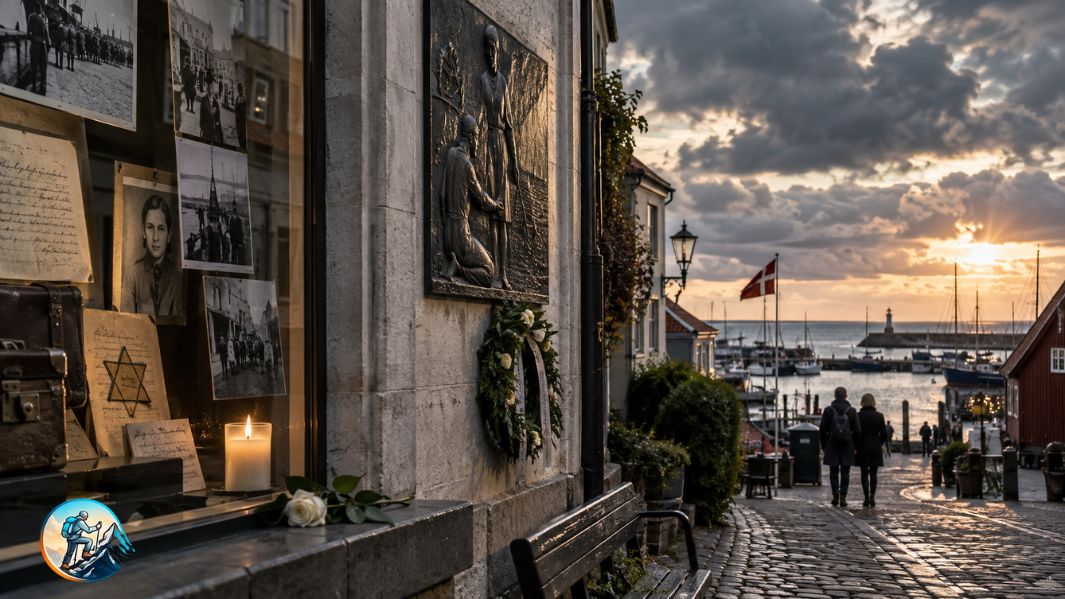
Travel is not always about beaches, cafés, and postcard views. Sometimes the most meaningful journeys begin with a difficult word. Fascisterne, Danish for “the fascists,” belongs to the political vocabulary of twentieth-century Europe and appears naturally when reading about dictatorship, occupation, resistance, persecution, and the defense of democracy. For travelers in Denmark, the term is best approached through museums, memorial spaces, and local stories that explain what authoritarian movements meant for ordinary people rather than treating the subject as spectacle.
Fascisterne in Danish Historical Memory
Fascism developed in Europe after the First World War and became associated most prominently with Benito Mussolini’s movement in Italy. Fascist movements rejected liberal democracy, emphasized authoritarian rule and aggressive nationalism, and often used political violence against opponents. In Denmark, the history encountered by travelers is especially connected to World War II history, the German occupation from 1940 to 1945, Danish resistance, and the experiences of people targeted by Nazi persecution. Denmark’s Museum of Danish Resistance specifically documents resistance during the occupation years.
That context matters because a historical journey should do more than collect dates. It should help visitors understand choices: collaboration, resistance, fear, courage, silence, and survival. I find museums dealing with difficult history most rewarding when you slow down, read first-person accounts, and resist the urge to rush to the next attraction.
Fascisterne and a Thoughtful Copenhagen Route
Begin in Copenhagen at the Museum of Danish Resistance, which focuses on the resistance movement and life under occupation. The museum’s mission centers on documenting the 1940–1945 resistance and making that history accessible to the public. Allow enough time to absorb the personal stories rather than viewing the exhibits as a quick checklist.
Continue to the Danish Jewish Museum, housed near the Royal Library. Its exhibitions cover roughly 400 years of Danish Jewish history, with special attention to the escape of Danish Jews from Nazi persecution in October 1943. The building itself, designed by Daniel Libeskind, uses architecture as part of remembrance. This makes it especially valuable for travelers interested in Jewish heritage, memory tourism, and the human consequences of extremist politics.
Beyond Copenhagen: Gilleleje and the Escape to Sweden
For a deeper journey, travel north to Gilleleje, a coastal town whose peaceful harbor carries a complicated wartime memory. In autumn 1943, many Danish Jews reached the area while trying to escape across the Øresund to neutral Sweden. Gilleleje Museum presents eyewitness accounts from people who fled and those who helped them.
The town is ideal for historical travel because the landscape still matters. A harbor, railway station, church, and narrow streets become more than scenery when you know how people moved through them under pressure. Some Jews hiding in the loft of Gilleleje Church were discovered and arrested, a reminder that rescue stories also include loss and betrayal.
How to Visit Fascisterne-Related History Respectfully
Treat these places as sites of learning, not dark-tourism props. Read museum guidance before photographing sensitive exhibits. Keep conversations respectful around memorials. If you travel with children, explain the history in age-appropriate language and give them space to ask questions. Most importantly, separate documented history from myths or dramatic retellings found online.
Practical planning is simple: give Copenhagen at least one full day for its wartime and Jewish-history museums, then reserve another half or full day for Gilleleje. Check opening hours before you go, as museum schedules can change seasonally. Comfortable shoes help, especially if you combine indoor exhibitions with walking through historic neighborhoods or coastal streets.
Before setting out, learn a few Danish terms and bring a notebook for names, dates, and questions that come up. Small details often become the most memorable part of the visit, especially when you later compare museum interpretation with the streets and landscapes outside.
A useful principle for this kind of journey is: “Travel should leave you with better questions, not just more photographs.” That idea fits Fascisterne-related history perfectly. The goal is not to romanticize extremist movements, but to understand how political ideas shaped real communities and why democratic memory endures.
Conclusion: Travel That Makes History Feel Human
Exploring Fascisterne as a travel topic works best when the keyword becomes a doorway into Danish resistance, occupation history, Jewish heritage, and civic memory. Copenhagen offers carefully curated museums; Gilleleje adds the emotional power of a real coastal landscape shaped by escape and danger. Together, these places turn an abstract political term into a human story.
You may begin the journey curious about a word, but you will likely leave thinking about the choices people made when freedom narrowed. That is the value of responsible historical travel: not admiration for power, but a clearer understanding of courage, vulnerability, and the importance of remembering what happened.
You May Read Also: Walking Through Denmark’s Past: Fascisterne, Resistance, and the Places That Remember