

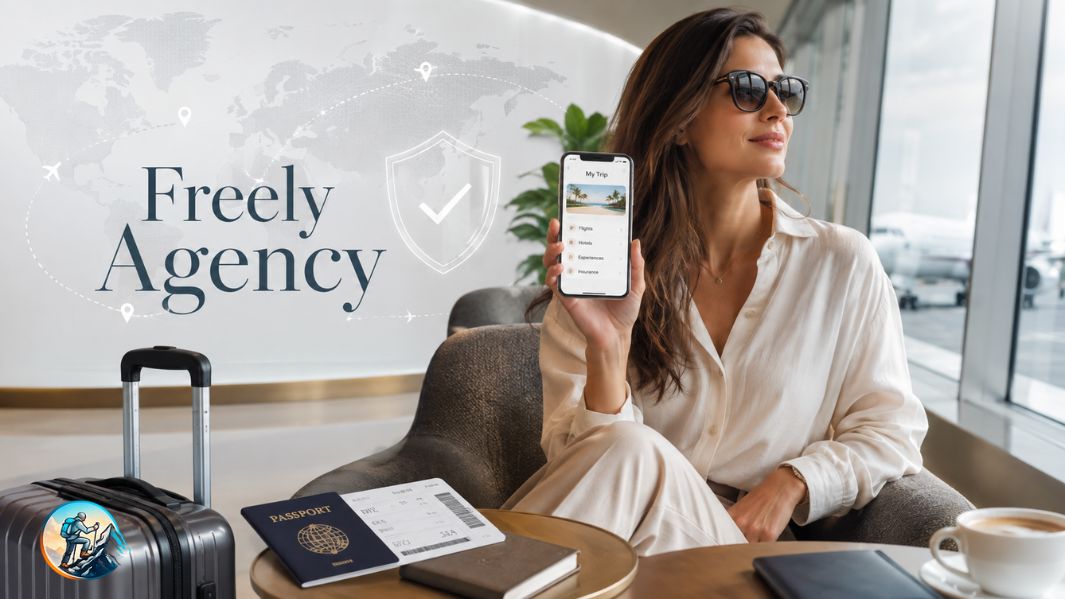
Travel feels most rewarding when plans remain open, yet illness, delays, lost belongings, and activity changes can quickly turn excitement into stress. That is why travelers searching for Freely Agency are looking for a flexible way to protect a journey without carrying paperwork. Freely is better understood as an app-based travel insurance and safety service, not a traditional agency that books flights or hotels. Its appeal lies in helping travelers manage coverage, receive alerts, and reach support from a phone. For modern explorers who value independence, that combination can make planning feel lighter and more practical.
What Is Freely Agency for Travelers?
The phrase Freely Agency suggests a full-service travel company, but the platform’s main purpose is travel protection and assistance. Travelers can arrange insurance, review policy information, manage extras, and access help through a digital interface. This approach suits people who prefer mobile travel tools over documents and telephone calls. It may suit solo travelers, adventure seekers, and frequent flyers. However, it does not replace trip research, confirmed reservations, visas, or destination-specific health advice.
How Freely Agency Supports Flexible Trips
A major attraction is the ability to build protection around the journey rather than treating every holiday identically. A quiet city break has different risks from skiing, cruising, road-tripping, or hiking in remote country. Depending on the policy and region, travelers may be able to add extras or adjust protection through the app. This flexibility can help prevent overpaying for activities that are never planned. Still, travelers should read the policy wording carefully because coverage limits, exclusions, waiting periods, and eligibility rules matter more than attractive app design.
Planning a Trip with Freely Agency
Start by listing your destination, travel dates, transport, accommodation, planned activities, medical needs, and valuable belongings. Then compare those details with the offered protection. Do not choose insurance only because it looks inexpensive. Check emergency medical cover, evacuation, cancellation conditions, baggage limits, activity exclusions, excess amounts, and claim requirements. Save digital and offline copies of your policy, passport, bookings, prescriptions, and emergency contacts. A useful rule is simple: “Travel freely, but prepare seriously.” Good preparation does not reduce spontaneity; it gives you more confidence to enjoy it.
Safety Alerts and Emergency Support
Safety features can be valuable when weather, transport disruption, civil unrest, or local events affect a destination. Location-based alerts may help travelers notice problems earlier, but they should complement official advice rather than replace it. Keep airline notifications active, monitor local authorities, and tell someone where you are staying. In an emergency, contact local services first during immediate danger, then use the insurer’s assistance channel. Emergency travel support works best when you already know how to access it, so review the app and save key numbers before departure.
Using Freely Agency Without Overlooking Privacy
Any service offering location-aware features deserves a privacy check. Review which permissions are requested, when tracking is active, how information is stored, and whether settings can be changed. Enable only the features you need. Strong passwords, device updates, screen locks, and secure internet connections protect sensitive information. Avoid opening policy documents or entering payment details through unfamiliar public Wi-Fi. Convenience is valuable, but digital travel security should remain part of the journey from booking day until you return home.
Who May Benefit Most?
Freely Agency may appeal to travelers comfortable using apps and managing plans digitally. It can suit spontaneous explorers adding activities after arrival, independent travelers who want access to documents, and people who appreciate live assistance. It may be less suitable for someone who prefers face-to-face service, requires specialist cover, or lives outside an eligible market. Before purchasing, confirm residency requirements, destination eligibility, age limits, medical-condition rules, and whether every planned activity is covered. When uncertain, ask clear questions and keep written answers for reference.
Common Mistakes to Avoid
The biggest mistake is assuming that buying insurance means every problem will be reimbursed. Policies are contracts with precise conditions. Another mistake is waiting until after disruption begins before purchasing cancellation protection. Travelers also forget receipts, medical reports, police reports, or airline statements needed for claims. Keep evidence as events happen and submit accurate information. Never hide a pre-existing condition or risky activity. Honest disclosure protects your claim and helps you select responsible travel coverage that matches reality.
Conclusion
Freely Agency reflects the shift toward flexible, phone-based travel protection. Used carefully, it can simplify policy management and provide reassurance when plans change. The smartest traveler still reads the details, protects personal data, prepares emergency information, and compares coverage with real needs. Freedom on the road is not about ignoring risk; it is about understanding risk well enough to keep moving with confidence, curiosity, and peace of mind.
You May Read Also: Walk Through Time on Cesta Roman: Europe’s Ancient Roads Reimagined