
Business
Choosing MagSafe Charging Accessories for Everyday iPhone Use

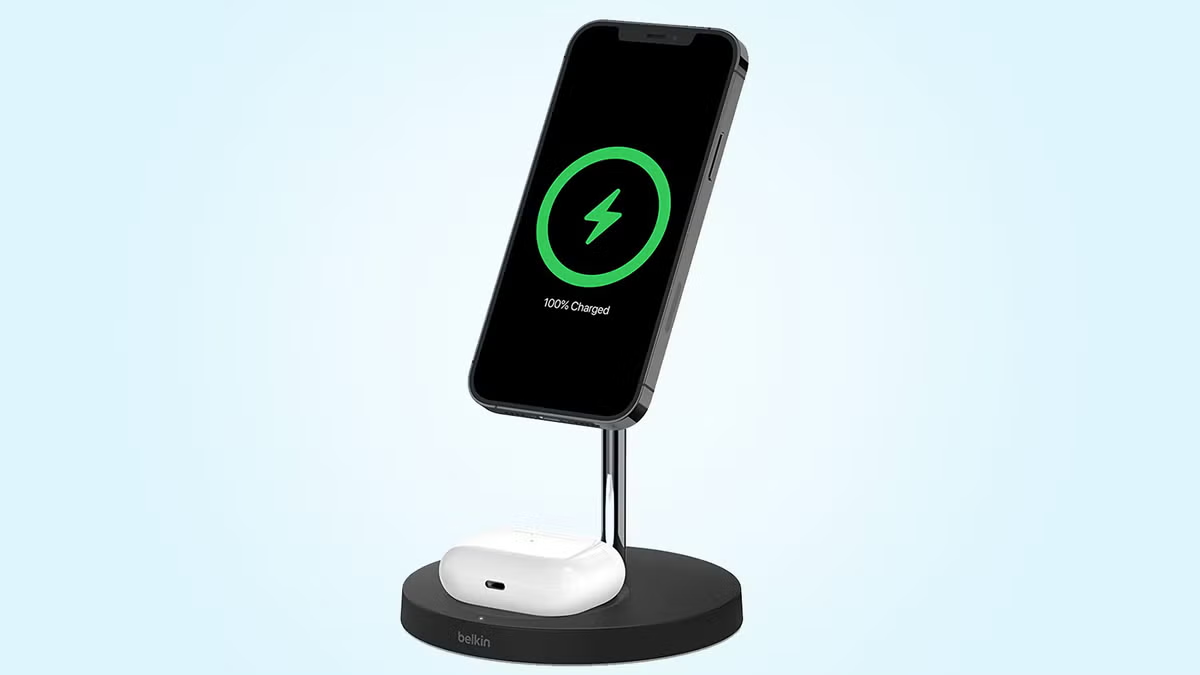
Smartphones have become an essential part of daily life, supporting everything from communication and navigation to work, photography, and entertainment. As people rely on their iPhones throughout the day, convenient charging has become just as important as battery capacity. An Apple MagSafe charger offers a simple way to charge compatible devices through magnetic alignment, helping users position their phones correctly without repeatedly adjusting a charging cable.
However, a charger that works well at home may not be the most practical option while travelling or spending long hours away from a power outlet. Understanding the differences between wireless chargers, portable batteries, and charging accessories can help you build a setup that suits your routine.
What Makes MagSafe Charging Convenient?
MagSafe uses magnets to align compatible iPhones with a charging accessory. This alignment helps keep the charging coil in the intended position, reducing the guesswork involved in placing a phone on a wireless charging surface.
For people who frequently pick up their phones while working, watching videos, or checking notifications, magnetic charging can be especially convenient. The phone can remain attached to a compatible charger while being used, depending on the accessory’s design and cable arrangement.
Magnetic alignment does not mean every wireless charger offers the same charging speed. Performance depends on the iPhone model, charger specifications, power adapter, case compatibility, and other conditions. It is therefore worth checking the manufacturer’s compatibility information before buying.
Benefits for Everyday Use
Magnetic charging can make a desk or bedside table easier to organise. Instead of connecting a cable every time the battery runs low, users can place their compatible iPhone against the charger and allow the magnets to guide it into position.
A well-designed charging accessory can also help reduce cable clutter. Some products use a stand that keeps the phone upright, making it easier to view notifications or use the screen while charging. Foldable designs can be useful for people who regularly move between home, work, and travel.
Before choosing a charger, consider where you will use it most often. A stand may be convenient on a desk, while a compact charging pad may suit a bedside table or travel bag.
How to Choose the Right MagSafe Charger
The best charging accessory depends on your phone, habits, and available space. A few practical factors deserve attention before making a decision.
Compatibility: Confirm that the charger supports your iPhone model. Cases containing metal accessories or thick materials may affect magnetic attachment or wireless charging performance.
Charging performance: Review the supported wireless charging standard and maximum output. A higher advertised output does not guarantee the same speed on every phone.
Heat management: Wireless charging naturally produces some heat. Choose a product with suitable safety features, and avoid covering the charger or phone with bedding and other materials that can trap heat.
Stand or pad design: A stand can make video calls and desk use more comfortable. A flat pad may be simpler if you prefer to keep your setup compact.
Cable and adapter requirements: Some chargers include a power adapter, while others require you to purchase one separately. Check what comes in the box to avoid compatibility problems.
These details are often more useful than choosing an accessory based only on appearance or advertised charging speed.
When a Magnetic Battery Pack Makes More Sense
A wireless charger is practical when you have access to a power outlet, but it cannot provide the same freedom as a portable battery. If you spend time commuting, travelling, attending events, or working away from your desk, a MagSafe battery pack may be a useful addition.
A magnetic battery pack attaches to a compatible iPhone and provides power without requiring the user to keep the phone connected to a wall charger. Depending on the model, it may also offer a USB-C port for wired charging or for recharging the battery pack itself.
What to Check Before Buying a Battery Pack
Battery capacity is an important starting point, but it does not tell the whole story. Energy is lost during power conversion and wireless charging, so the usable charge delivered to a phone will be lower than the battery’s nominal capacity.
Size and weight also matter. A larger battery may provide more energy but make the phone heavier to carry. Slimmer models may be more comfortable for short trips, although they may provide less total capacity.
Look at the following features:
- Capacity: Choose a capacity suited to how long you spend away from an outlet.
- Attachment strength: The magnets should hold the pack securely during normal use.
- Wired charging: A USB-C port can provide an alternative when wireless charging is inconvenient.
- Battery indicators: Clear indicators help you understand how much charge remains.
- Temperature management: Follow the manufacturer’s guidance if the phone or pack becomes unusually warm.
- Travel suitability: Check airline rules for portable batteries when travelling by air.
A magnetic battery pack is particularly useful when you want to keep using your phone while topping up its battery. It can also reduce the need to carry a separate charging cable, depending on the product.
Building a Practical Charging Routine
A dependable charging setup does not have to include numerous accessories. Many users can cover their daily needs with a home charger and a portable battery for days when they are away from a power source.
At home, place your charger somewhere easy to reach, with enough airflow around the phone and charging accessory. At work, a stand can help keep the phone visible while freeing up space on the desk.
For travel, charge your portable battery before departure and check its remaining capacity before a long journey. Keep charging equipment in a separate pouch so that cables and connectors are easier to find.
It is also sensible to use reliable charging equipment and follow the phone manufacturer’s battery-care guidance. Avoid exposing accessories to moisture, extreme temperatures, or physical damage.
Common Mistakes to Avoid
One mistake is assuming every magnetic accessory works with every iPhone. Magnetic attachment, wireless charging support, and maximum charging speed can vary by model and case.
Another is selecting a battery pack solely by capacity. A heavy pack may be less convenient if you only need a small top-up during your commute. Consider the balance between capacity, size, and portability.
Finally, do not overlook the power adapter. A wireless charger may need a compatible adapter to reach its advertised performance, and an older or lower-powered adapter may limit charging speed.
Conclusion
Magnetic charging can make everyday iPhone use more convenient, whether you are charging at a desk, relaxing at home, or travelling between destinations. A MagSafe charger offers a convenient fixed charging point, while a magnetic battery pack provides additional flexibility when power outlets are unavailable.
Start by considering your iPhone model, charging habits, portability needs, and preferred setup. Comparing compatibility, charging performance, design, and battery capacity will help you select accessories that fit naturally into your routine.
Would a magnetic charger at home or a portable battery pack on the go make the biggest difference to your daily charging routine?
Frequently Asked Questions
Is a MagSafe charger suitable for everyday use?
Yes, a compatible MagSafe charger can be convenient for daily charging. Check the supported iPhone models, power requirements, and case compatibility before purchasing.
Is a MagSafe battery pack useful for travel?
A magnetic battery pack can help keep a compatible phone charged while commuting or travelling. Choose a capacity and size that suit your trip, and check airline requirements for portable batteries.
Does magnetic wireless charging work through every phone case?
No. Case thickness, materials, magnets, and other accessories can affect attachment and charging performance. Check the phone and case manufacturer’s compatibility guidance.
Should I buy a charger or a battery pack?
A charger is best when you regularly have access to a power outlet. A battery pack is more useful when you need extra power away from one. Some users benefit from keeping both available for different situations.

562 Area Code: The Essential Guide to California’s Location, History, and Phone Numbers

Telephone Area Code 304: The Complete Guide to West Virginia’s Historic Calling Code

En Slovakia: Discover the Hidden Beauty, Rich Culture, and Fascinating History of Slovakia

Dough Moulding Compound: A Powerful Guide to Properties, Manufacturing, Benefits, and Industrial Applications

Annapurna Circuit Trek vs. Manaslu Circuit Trek: Routes, Mountain Villages, Local Culture, and Practical Travel Advice

Why Keeping Your PC Drivers Updated Matters More Than You Think?

Jett Hamilton Roberts: The Remarkable Story of Jill Scott’s Son, His Family, and Life Away From Fame

Jorge Bronze: The Inspiring Story of Lucy Bronze’s Brother Who Sparked Her Football Journey

Angie Bautista: The Remarkable Story of Dave Bautista’s Ex-Wife, Her Strength and Private Life

Julie Hallam: The Untold Story of Jeremy Irons’ First Wife and Her Acting Career

Everest Base Camp Trek vs Manaslu Circuit Trek: Routes, Difficulty, Costs, Altitude and Mountain Experience

Classroom 15x: The Ultimate Guide to Free Online Games, Features, Benefits, and Safe Gaming

Crackstube Explained: A Complete Guide to Its Features, Content, Safety, and Digital Publishing Platform

Provascin: A Complete Guide to Its Ingredients, Potential Benefits, Uses, and Safety

Startup Booted Fundraising Strategy: A Powerful Guide to Smart Funding and Sustainable Business Growth

ABS Testauslösung: Bedeutung, Funktion, häufige Fehler und wichtige Sicherheitstipps

Pedal And Post Collapse: The Shocking Closure of Oxford’s Pioneering Green Delivery Company

HMJones.net Explained: A Complete Guide to Business Loans, Funding Options, and Smarter Financial Decisions

Jeremy Yaffe: The Remarkable Untold Story of Alan Arkin’s First Wife and Her Life Beyond Hollywood

Nomurano: Discover the Powerful Meaning Behind Modern Creativity, Design, and Intentional Living
562 Area Code: The Essential Guide to California’s Location, History, and Phone Numbers
Telephone Area Code 304: The Complete Guide to West Virginia’s Historic Calling Code
En Slovakia: Discover the Hidden Beauty, Rich Culture, and Fascinating History of Slovakia
Dough Moulding Compound: A Powerful Guide to Properties, Manufacturing, Benefits, and Industrial Applications
Annapurna Circuit Trek vs. Manaslu Circuit Trek: Routes, Mountain Villages, Local Culture, and Practical Travel Advice
Why Keeping Your PC Drivers Updated Matters More Than You Think?
Jett Hamilton Roberts: The Remarkable Story of Jill Scott’s Son, His Family, and Life Away From Fame
Jorge Bronze: The Inspiring Story of Lucy Bronze’s Brother Who Sparked Her Football Journey
Angie Bautista: The Remarkable Story of Dave Bautista’s Ex-Wife, Her Strength and Private Life
Julie Hallam: The Untold Story of Jeremy Irons’ First Wife and Her Acting Career
-
 Blog3 months ago
Beyond the Cages: How an Artificial Zoo Could Redefine Wildlife Travel
-
 Destination Guides3 months ago
Beyond the Map: Discovering Haslhof in Italy and Bavaria
-
Adventure Travel3 weeks ago
Everest Base Camp Trek vs Manaslu Circuit Trek: Routes, Difficulty, Costs, Altitude and Mountain Experience
-
 Entertainment2 weeks ago
Classroom 15x: The Ultimate Guide to Free Online Games, Features, Benefits, and Safe Gaming