

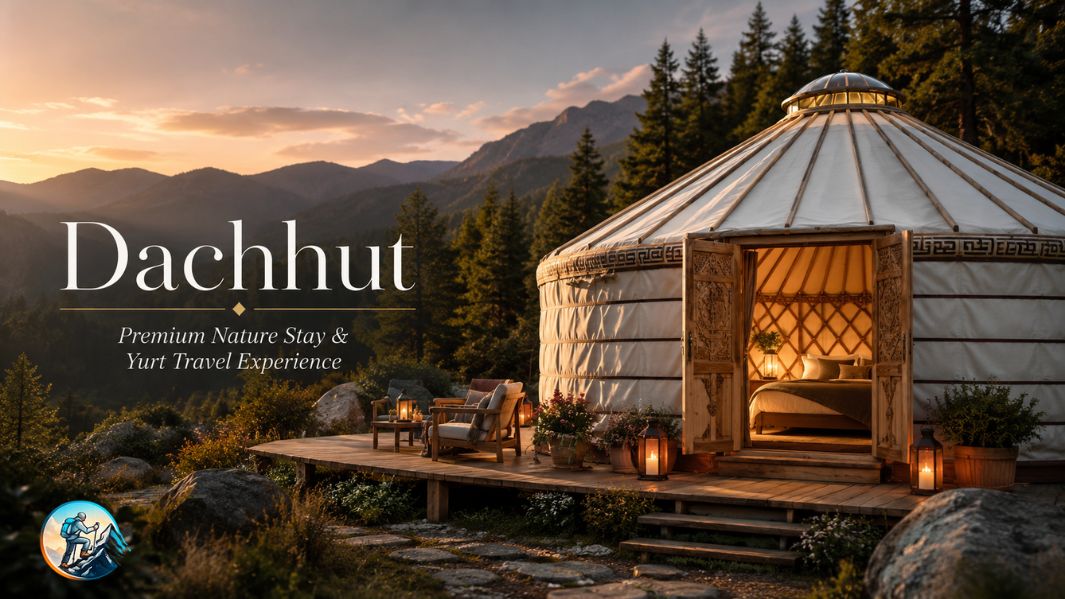
Some travel words sound like destinations even when they describe part of the experience. Dachhut is one of them. In travel accommodation, the term often appears with yurts, cabins, and unusual outdoor stays, where it generally refers to a roof cap, hood, or upper covering that helps shelter or ventilate the structure. For travelers, the useful question is not linguistic perfection but comfort: how does the roof design affect warmth, airflow, rain protection, and the feeling of sleeping close to nature? Understanding that small detail can make an unfamiliar listing easier to judge and a rustic stay enjoyable.
What Dachhut Means for Travelers
If you encounter Dachhut while browsing an unusual accommodation, read the surrounding description carefully. A host may be referring to the top section of a yurt or another roof feature that can be opened, closed, covered, or adjusted. That matters because natural ventilation, weather protection, and temperature control are essential in compact outdoor spaces. A well-managed roof opening can release warm air on a summer evening, while a properly secured covering keeps wind and rain out. Before booking, check whether guests are expected to operate anything themselves and whether you provide instructions at check-in.
Why Dachhut Details Matter in a Yurt Stay
Yurts create a different rhythm from ordinary hotels. You hear rain more clearly, notice temperature changes sooner, and become more aware of fresh air. That is part of their appeal, but it also means roof construction deserves attention. Look for information about waterproofing, insulation, ventilation, heating, and seasonal suitability. If the property is near the coast, in woodland, or at higher elevation, weather can shift quickly. Travelers who sleep lightly should also ask whether wind produces noticeable fabric movement or roof noise. A few questions before arrival can prevent an otherwise charming night from becoming uncomfortable.
Dachhut and Natural Ventilation
Ventilation matters most when several people share a small circular space. Warm air naturally rises, so an adjustable upper opening can help a yurt feel fresher when conditions allow. However, never assume every roof feature works in the same way. Follow the host’s instructions, particularly during rain or strong wind. If you are traveling with children, ask whether the opening mechanism is secure and easy to manage. Good air circulation improves comfort, but safety and weatherproofing should always come first.
How to Choose the Right Dachhut-Style Nature Stay
Start with location, season, and facilities. A romantic photo of a woodland yurt may hide practical realities such as shared bathrooms, limited electricity, no air conditioning, or a long walk from the parking area. Check whether bedding and towels are included, whether cooking equipment is available, and how far the nearest shop or restaurant is. For the colder months, confirm the heating system is working rather than assuming thick walls or blankets will be enough. For summer, look for shade, insect screens, and reliable airflow. These small details are more important than decorative extras when you are choosing glamping accommodation.
What to Pack for a Rustic Overnight Stay
Pack as though you will spend more time outdoors than you expect. A light waterproof jacket, a warm layer, comfortable shoes, a flashlight, a reusable water bottle, and insect protection are sensible basics. Even in summer, countryside temperatures can drop after sunset. If bathrooms are separate from the sleeping area, slip-on shoes and a small torch become surprisingly valuable. A compact power bank is useful where sockets are limited. Earplugs can also help travelers unused to natural sounds. The goal isn’t to bring everything, but to cover the few discomforts that can disrupt a peaceful night.
Common Questions Before Booking
Ask the host whether the property is suitable in bad weather, how the Dachhut or roof opening is operated, whether bathrooms are private, and what happens if temperatures drop unexpectedly. Also confirm arrival times, parking, mobile reception, and cancellation terms. Travelers with accessibility needs should ask about steps, uneven ground, narrow entrances, and the distance to facilities. These questions are practical, not fussy. They help you choose a stay that matches your expectations rather than relying solely on attractive photographs.
Conclusion: Let Dachhut Lead to a Different Kind of Trip
Dachhut may be an unfamiliar word, but the travel idea around it is easy to appreciate: shelter, fresh air, and a closer relationship with the outdoors. When you understand the roof, ventilation, facilities, and weather arrangements before booking, a yurt or rustic cabin can feel adventurous without becoming inconvenient. “Travel lightly, notice deeply.” Choose carefully, pack lightly but thoughtfully, and treat the accommodation itself as part of the destination. Sometimes the most memorable journey begins not with a famous landmark, but with an unusual place to sleep and the quiet sound of nature just beyond the roof.
You May Read Also: Smarter City Adventures: How Bumetro Could Change Urban Travel