

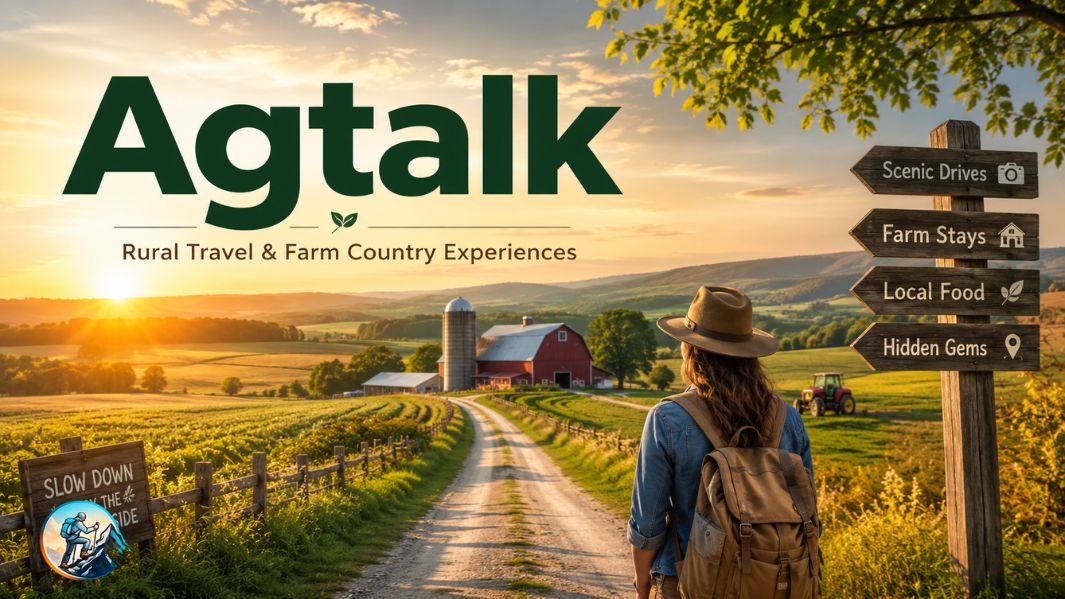
Most travel guides lead you toward viewpoints, attractions, and popular restaurants. Agtalk offers a different lens. Best known as an online agricultural discussion community, it can also help travelers understand the landscapes they drive through, the farming culture of small towns, and the seasonal rhythms that shape rural life. It is not a booking platform or tourism guide, yet conversations about farms, machinery, weather, roads, crops, and local communities can add useful context to a rural road trip. For travelers who enjoy seeing the character behind a destination, that perspective can make a journey feel personal.
Why Agtalk Can Add Depth to Rural Travel
A road through farmland may look peaceful from a car window, but every field has a story. Crop choices, harvest timing, local weather, equipment, livestock, and market conditions all influence what visitors see. Reading agricultural discussions before a trip can help travelers notice those details instead of simply passing them by. That is where Agtalk becomes interesting from a travel perspective. It can introduce you to regional farming concerns and rural conversations, helping you arrive with better questions and more respect for the people who work there.
This approach is useful when planning travel through farm regions of the United States or Canada. A traveler might learn why machinery is moving slowly on a road, why certain fields look different from neighboring ones, or why a town becomes busy during planting or harvest. That background doesn’t replace official travel information, but it gives a farm-country journey more meaning. My favorite rural trips have always been the ones where the landscape stops feeling like scenery and starts feeling like a living workplace.
Using Agtalk Before a Farm-Country Road Trip
The smartest way to use Agtalk for travel inspiration is to treat it as local context, not a ready-made itinerary. Search discussions about the region you intend to visit, common crops, machinery, weather conditions, or rural events. Note recurring place names or subjects, then verify practical details such as opening hours, road access, accommodation, and visitor rules through appropriate official sources before leaving.
Travelers should remember that farms are private workplaces. Never enter fields, barns, equipment yards, or private roads without permission. If you want an agricultural experience, look for farm tours, public markets, county fairs, agricultural museums, harvest festivals, or officially advertised farm stays. These places are designed to welcome visitors and provide a safer, respectful way to learn.
Planning Around Seasons, Roads, and Rural Realities
Timing can completely change a rural trip. Spring planting can bring large equipment onto local roads, summer may mean intense heat and long working days, while autumn harvest can transform quiet areas into busy agricultural corridors. Winter travel introduces its own concerns, especially in regions where snow, ice, and long distances separate towns.
Before setting out, build flexibility into your schedule. Keep your fuel tank comfortably full, carry water and snacks, download maps for areas with weak mobile service, and avoid assuming every small town has late-night dining or accommodation. A rural travel itinerary works best when it leaves room for slower roads, unexpected weather, and spontaneous stops. If you encounter farm machinery, reduce speed, stay patient, and pass only when it is legal and safe.
There is value in traveling slowly. Stop at local cafés, browse small-town main streets, visit heritage sites, and ask respectful questions when conversation naturally develops. Rural hospitality often feels warm precisely because it is not manufactured for tourism.
What Travelers Should and Should Not Expect
AgTalk should not replace tourism boards, navigation tools, emergency information, or official weather alerts. Forum conversations may reflect personal experiences and opinions, and conditions can change quickly. Use the community to understand agricultural life, identify subjects worth researching, and discover the language of the landscape. Then confirm anything that affects safety, costs, opening times, or access.
For travelers wondering whether this approach is worthwhile, the answer depends on curiosity. If your goal is reaching a destination quickly, agricultural discussions may add little. If you enjoy slow travel, rural history, local food systems, working landscapes, and conversations with people outside tourist circles, they can enrich the experience considerably.
Conclusion
The most memorable journeys are often built from small observations: dust rising behind a combine, grain elevators on the horizon, a crowded diner at sunrise, or a handwritten notice for a local fair. Agtalk can help travelers understand the world behind those moments and approach rural places with awareness. As the old travel idea goes, “The journey matters as much as the destination.” In farm country, that feels especially true. Travel patiently, respect private land, support local communities, and let agricultural knowledge turn an ordinary drive into a deeper exploration.
You May Read Also: Travel Better with Cellulogia: A Practical Wellness Guide for Life on the Road