

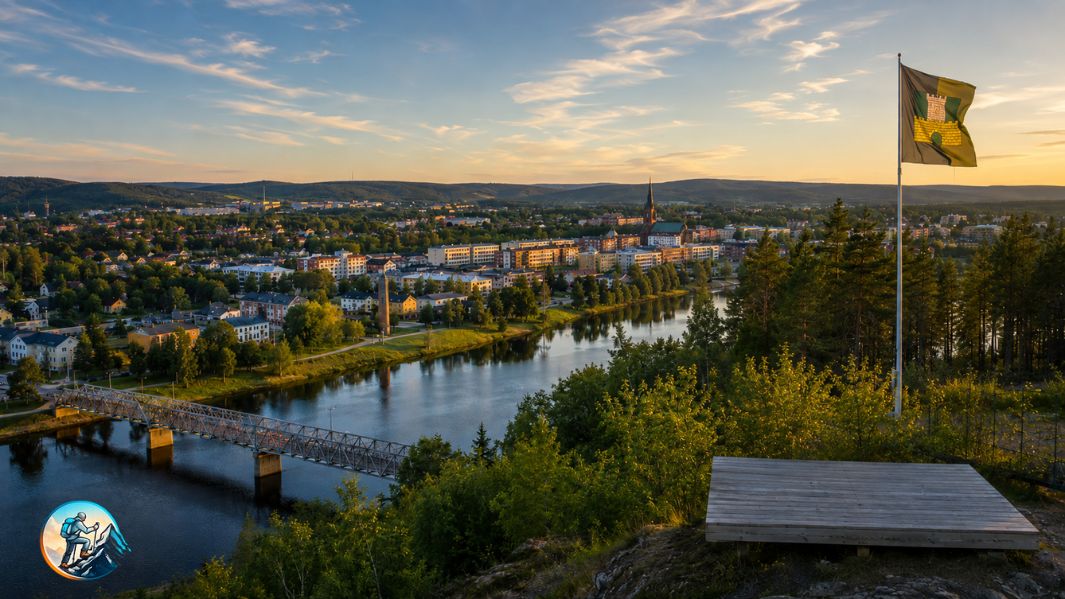
Boden in northern Sweden has the ingredients of a memorable Arctic trip: forests, winter darkness, bright summer skies, rivers, military history, and the chance to see the Northern Lights. What makes it interesting now is Bodenxt, the municipality’s wider green-transformation platform. It is not a tourist attraction or a single project. Instead, it is part of how Boden is changing through new industry, housing, infrastructure, skills, and community planning. For travelers, that creates a rare chance to experience Swedish Lapland while also seeing a northern town preparing for its future.
What Is Bodenxt and Why Does It Matter to Travelers?
Bodenxt is a coordinated development effort connected to Boden’s rapid green transition. Its scope includes housing, transport, business development, infrastructure, and workforce needs. That may sound more like urban planning than travel, but such changes influence how a destination feels. New services, stronger transport links, expanding businesses, and improved public spaces can gradually reshape the visitor experience. Travelers interested in sustainable tourism, green industry, Scandinavian planning, or the future of Arctic communities may therefore find Boden relevant.
Bodenxt and a Greener Way to Explore Boden
You do not need a technical interest in sustainability to appreciate the destination. The best way to understand Bodenxt is to explore Boden slowly and notice the contrast between local heritage and modern change. Walk through the center, visit cultural sites, stop at local cafés, and then head toward forests or river valleys. This gives a fuller picture of a town balancing economic growth with access to nature. A useful travel rule here is simple: do not rush only between landmarks. Ordinary streets, stations, small businesses, and public spaces can reveal just as much about what a place is becoming.
How to Reach Boden and Plan the Journey
For international visitors, Luleå Airport is the most practical air gateway, around 40 kilometers from Boden. From there, travelers can continue by transfer, taxi, rental car, or regional transport. Boden is also an important railway junction in northern Sweden. Rail can be a comfortable option for visitors who want a lower-impact journey, and overnight services from Stockholm can make the trip itself part of the Arctic experience.
A car offers the most freedom for countryside excursions, but visitors staying mainly in town can combine walking, local transport, taxis, and organized activities. Check seasonal timetables before arrival, especially in winter when daylight, snow, and road conditions can change plans quickly.
What to See Around Boden
Boden works best when you combine history and nature. Rödbergsfortet, part of the historic Boden Fortress system, gives visitors a strong sense of the region’s military past. Heritage areas, museums, cultural spaces, and public art add context. Outside the center, forests, rivers, lakes, and rural villages make it easy to add outdoor exploration.
Winter suits snowshoeing, snowy landscapes, and aurora-focused outings. Summer brings walking, cycling, swimming, canoeing, and long evenings under the midnight sun. Instead of packing every attraction into one day, choose one historical experience and one nature-based activity. The slower pace usually makes a short stay rewarding.
When Is the Best Time to Visit?
No single season is best because northern Sweden changes dramatically throughout the year. Choose winter for snow, dark skies, frozen scenery, and better aurora-viewing conditions. Choose summer for long daylight, easier road travel, hiking, water activities, and relaxed countryside exploration. Shoulder seasons can be peaceful, although some services may run reduced schedules.
Pack for conditions rather than appearances. Winter requires proper layers, insulated footwear, gloves, and weatherproof outerwear. Summer can still bring cool evenings, so carry a warm layer and rain protection.
Practical Travel Questions About Bodenxt
Is Bodenxt a tourist attraction? No. It is a municipal transformation platform connected to Boden’s development.
Can tourists experience it? Yes, indirectly, by exploring the changing town, local businesses, transport connections, cultural attractions, and surrounding landscapes.
How long should you stay? Two to three days suits a focused city-and-nature break, while four days gives flexibility for weather-dependent activities.
Is Boden suitable for sustainable-minded travelers? Yes, for visitors who use rail where practical, support local operators, respect outdoor-access rules, and leave no waste behind.
Conclusion
Bodenxt adds an unusual dimension to a trip through northern Sweden. Boden is not an Arctic postcard; it is a community moving through rapid social, industrial, and environmental change. That makes it compelling for travelers who enjoy nature but also want to understand how destinations evolve. “The best journeys are not only about where we go, but what a place is becoming.” In Boden, that thought feels appropriate. Come for the forests, history, winter light, and northern atmosphere, but pay attention to the transformation happening between them. It may become the part of the journey you remember most.
You May Read Also: No Bond Car Rental Auckland: How It Works and Who It’s Actually For