

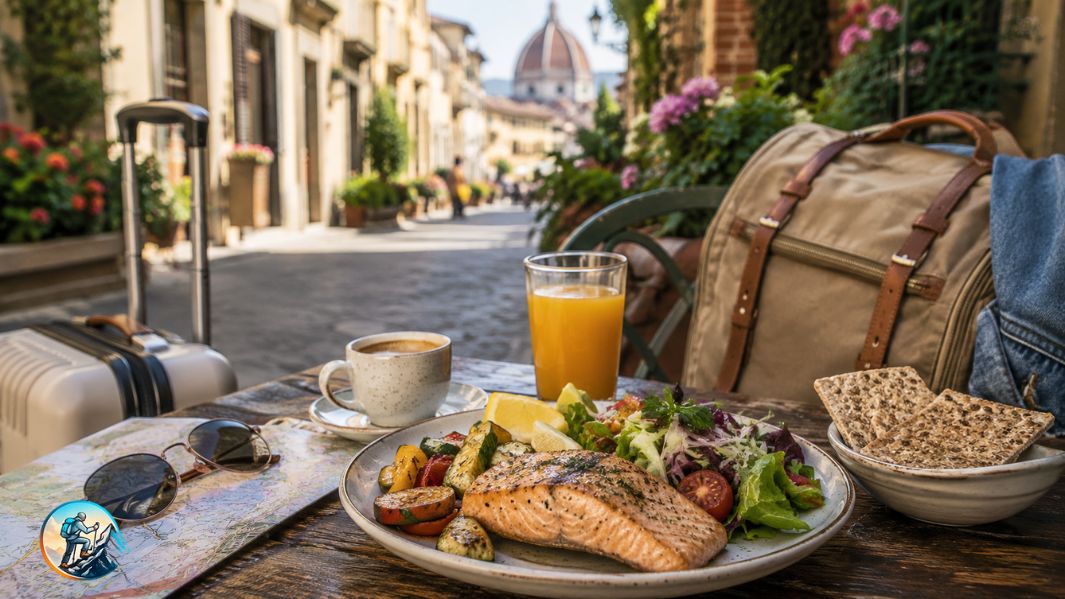
Traveling with gluten intolerance can make every meal feel like an investigation. You want to enjoy the destination, not spend half the day reading menus, explaining allergies, or worrying about cross-contamination. Searching for Gluten Free Near Me can be useful, but the best results come from combining digital tools and local knowledge. Whether you are exploring a city center, staying near a beach, or driving through a rural area, a little preparation can turn food anxiety into one of the most enjoyable parts of the trip.
This article explores how to find safe, reliable, and delicious gluten-free food near you while traveling, including restaurant checks, local searches, transport planning, and practical ways to avoid cross-contamination.
Why Searching Gluten Free Near Me Matters on the Road
A local search helps travelers discover gluten-free restaurants, bakeries, cafés, supermarkets, and takeaway spots nearby. It is especially helpful when plans change, transport is delayed, or your chosen restaurant is fully booked. Still, proximity should not be the only factor. A place may advertise gluten-free dishes without having dedicated preparation areas, trained staff, or clear allergen procedures. Read recent reviews, check menu wording, and look for comments from diners with coeliac disease rather than star ratings alone.
How to Check Whether a Restaurant Is Truly Safe
Before ordering, ask direct questions. Find out whether the kitchen uses separate utensils, chopping boards, fryers, and preparation surfaces. Shared fryers are a problem because foods coated in wheat flour can contaminate chips or dishes that appear naturally gluten-free. Staff should also understand the difference between a lifestyle preference and a medical requirement. A confident, detailed answer is reassuring; vague replies such as “it should be fine” are a warning sign.
Smart Questions for Gluten Free Near Me Searches
When calling or speaking to staff, ask: “Can this meal be prepared for someone with coeliac disease?” This question is clearer than simply asking whether something contains gluten. Check sauces, marinades, seasoning mixes, soups, and desserts, as hidden gluten often appears in these items. If the restaurant is busy, speak with a manager before peak dining hours. I have found that calm, specific questions usually receive more thoughtful answers than a long explanation given while a queue is forming.
Use Maps, Reviews, and Local Communities Together
Map apps help find nearby options, but specialist review platforms and local groups can reveal details that standard listings miss. Search phrases such as coeliac-friendly café, dedicated gluten-free bakery, or allergen-safe restaurant alongside your location. Traveler photos can also show whether menus have clear allergen symbols. Hotel receptionists, tour guides, and local shopkeepers may know reliable places that do not rank highly online. “The best journeys are shaped by curiosity, but good questions support the safest ones.”
Plan for Airports, Train Stations, and Day Trips
Transport hubs often have limited choices, so carry an emergency food kit. Pack sealed gluten-free snacks, protein bars, crackers, nuts, or instant porridge that can be prepared with hot water. For day trips, identify at least two possible lunch stops before leaving. Rural attractions and historic sites may have beautiful scenery yet one café, and that café may not offer safe options. Keeping backup food is not pessimistic; it protects your time and allows you to enjoy the journey without rushing back to a town.
Supermarkets Can Be a Traveler’s Best Friend
Local supermarkets often provide dependable alternatives when restaurants feel uncertain. Look for labeled bread, salads, yogurt, fruit, cheese, cooked meats, rice dishes, and certified snacks. In many destinations, the free-from aisle is easier to navigate than unfamiliar restaurant menus. Self-catering accommodation adds even more flexibility, especially for breakfast. Just remember that shared toasters, wooden utensils, and unclean grills can cause cross-contamination, so wash surfaces and use foil or dedicated equipment when possible.
What to Do When Language Is a Barrier
Save a translated allergy card on your phone and carry a printed copy in case your battery dies. The card should explain that you cannot eat wheat, barley, rye, or food contaminated during preparation. Learn a few local phrases for “gluten free,” “separate fryer,” and “allergy.” Translation apps help, but a written card reduces confusion in noisy restaurants. Keep the message simple and medically accurate rather than relying on complicated explanations.
Turn Food Planning Into Part of the Adventure
Finding safe meals does not have to limit your travels. It can introduce you to independent bakeries, traditional dishes made from rice or corn, fresh seafood, local markets, and thoughtful chefs who take allergies seriously. The strongest approach is simple: research before arrival, ask clear questions, keep backup food, and trust your instincts. With those habits, searching Gluten Free Near Me becomes more than a last-minute query; it becomes a practical travel skill that gives you confidence to explore farther, eat well, and remember the destination for all the right reasons.
You May Read Also: Beyond the Skyline: Discover Hong Kong on Two Wheels with Bikehk