
Travel
Which Wildlife Trips in India Actually Suit You?

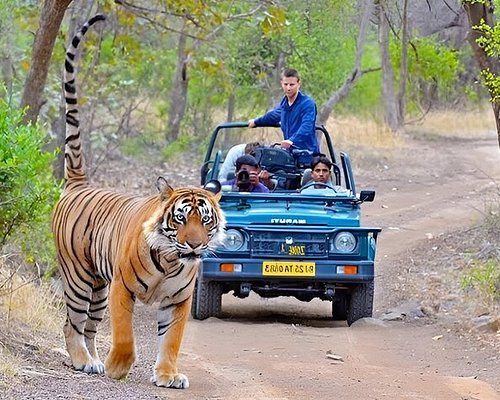
Some people plan a holiday around the beach. Others plan one around a single animal they’ve wanted to see since childhood. If you’re reading this, you probably belong to the second group, and now you’re staring at a long list of parks, tour lengths and hotel types, wondering where to even begin.
The good news is that wildlife trips in India fall into a handful of clear styles. Once you know which one fits you, most other choices get easier. Here’s a simple way to sort them, using real tours from Jungle Revives as examples.
What Kinds of Wildlife Trips in India Are There?
Broadly, there are four styles: single park stays, multi-park circuits, wildlife mixed with heritage, and trips built around birds or cameras. None is better than the others. They simply reward different kinds of travelers, so it helps to know how each one feels before you start comparing prices.
Single-Park Stays
A single park stay is the calm option. You pick one reserve, settle into a lodge near the gate, and do several mornings and afternoon drives without repacking every day. Jungle Revives lists these as Classic Wildlife Safari Tours, for example, Ranthambore for 4 nights and 5 days with 6 guided safaris, or Kanha for 5 nights and 6 days with 7.
This style works well when time is short, or when you’d like to learn how one forest changes from zone to zone. Plenty of people choose it for their first trip and then return to a second park a year later.
Multi-Park Circuits
If you have more days, a circuit gives you variety, and the forests really do differ. Corbett has river belts, Kanha has open meadows, and Bandhavgarh has wooded hills. A 12-night Corbett, Kanha and Bandhavgarh route includes 16 guided safaris, and a Pench and Tadoba trip covers 8 nights with 11. Anyone hunting for the best wild safari in India often finds that comparing a few parks in person answers the question better than any article can.
The trade-off is road time. Moving between parks eats into your days, so a sensible itinerary spaces the transfers out and leaves a lighter day after the longest drives.
Wildlife Mixed with Heritage
India lets you watch wildlife at dawn and stand in front of the Taj Mahal by evening, which very few countries can match. Jungle Revives has Golden Triangle plans pairing Corbett and Ranthambore with Agra, Jaipur and Delhi, plus an 18-night version that adds Satpura’s walking safaris, Pench and Kanha.
These suit first-time visitors from overseas who want a bit of everything and would rather have one team handle every transfer.
Birding and Photography Trips
Birders and photographers travel differently, and the tours reflect that. The Tiger Safari and Birding Tour run 10 nights across Corbett, Pangot, Bharatpur and Dholpur on the Chambal River. The Big Cats of India Photography Tour spends 15 nights with 19 guided safaris, looking for tigers, Asiatic lions and leopards.
Slow pacing is the whole idea. Guides plan around light, animal movement and where you’ll stand for the shot, which is why these trips feel less rushed than a standard itinerary.
Which Trip Suits Which Kind Traveler?
Instead of asking which park is most famous, ask who’s actually going. A family with a ten-year-old needs a different plan from a retired couple, and both differ from a photographer hauling heavy lenses.
First-Time Visitors
Start with one or two parks and keep the days manageable. Five or six nights in Bandhavgarh or Kanha is enough to understand the rhythm of a safari without feeling worn out, and you can always add a heritage extension later.
Keep one basic rule in mind, which Jungle Revives repeats often: plan at least four safaris in each park, because wildlife follows its own timetable and not yours.
Families With Children
Children are welcome, and most parks allow those above the age of five, though rules differ from park to park. Mention young travelers when you plan, so the itinerary avoids very long transfers and leaves room for downtime between early starts.
A comfortable lodge with decent food does more for a family trip than one extra safari ever will.
Couples, Solo Travelers and Older Guests
India is considered safe for international visitors on the well-visited safari circuits, including solo travelers, families and older guests, and Jungle Revives shares destination-specific guidance in a pre-departure briefing. For these travelers, pace matters most, so lighter days and comfortable stays make a real difference.
If you’d like something quieter, parks such as Satpura and Dudhwa see fewer visitors. When you’re comparing wildlife trips in India for a calmer, less crowded feel, a single-park tour in one of these is a good place to start.
Where Will You Sleep During a Wildlife Trip?
Your lodge shapes the trip more than most people expect, because you’ll be up before sunrise and back for a long midday rest. Jungle Revives lets you choose between several kinds of stay:
- 3-star resorts or hotels
- 4-star resorts or hotels
- 5-star luxury resorts or hotels
- Boutique wildlife lodges
- Forest rest houses
- Homestays
Distance to the safari gate matters as much as the star rating. A shorter morning transfer means more sleep and less stress, which is exactly why the lodges are picked for their closeness to the forest.
Is a Forest Rest House Worth It?
For some travelers, yes. Corbett’s Dhikala forest rest house sits inside the park and is considered one of the most sought-after stays in Indian wildlife tourism. It’s also in high demand, and access depends on current park rules and booking conditions, so enquire early.
If you’d rather have more comfort and choice, a boutique lodge outside the gate is the easier route. Neither choice is wrong, since it simply depends on whether you value atmosphere or amenities more.
How Many Days Should You Give Your Trip?
Length decides how much you can fit in without feeling rushed. These rough bands, based on real Jungle Revives tours, may help:
- 4 to 5 nights: one park with 6 to 7 guided safaris
- 5 to 6 nights: the Terai tour with 8 safaris, or the Rajasthan leopard and tiger tour with 9
- 8 to 12 nights: Pench and Tadoba, or Golden Triangle with Corbett and Ranthambore
- 15 to 18 nights: the Big Cats Photography Tour or the Grand Golden Triangle with Tigers Tour
Whatever you pick, the best wild safari in India is usually the one that leaves slack in the schedule. A rest afternoon, a slower breakfast or a short walk around the lodge keeps you fresh for the next dawn drive, and tired travelers notice far less.
When Should You Travel and When Should You Book?
Most parks are open from October to June, with the peak running from February to May, when animals gather around water. Cooler months from October to February are easier on the body and good for birds. Rainy season closures vary by park, so check current dates before you buy flights.
Why Do Permits Matter So Much?
Safari zone permits for popular parks such as Ranthambore, Dhikala in Corbett and Bandhavgarh are limited and allocated in advance by the forest department. Good lodges near the gates also fill early in peak months.
That’s why Jungle Revives suggests booking four to six months ahead for travel between October and May. Leave it too late and you may end up with whatever’s left, not what you wanted.
What Should You Pack and How Should You Behave?
Think light, neutral, and quiet. Earthy shades like olive, beige, khaki and brown work well, while white and bright colors are best avoided. Mornings can be cold in an open jeep and afternoons are very warm, so layers are your friend.
- A warm jacket and a light shirt
- A hat, sunscreen and a reusable water bottle
- Binoculars and a camera if you enjoy them
- Your passport, permits and any personal medication
Keep your voice low, follow your guide’s instructions, and never ask a driver to crowd an animal. If you’re still choosing between wildlife trips in India, remember that birding tours reward patience and quiet more than any other style, so they’re worth a look if you enjoy a slower day.
Conclusion
The right trip depends far more on you than on any ranking. Think about your time, you’re travelling companions, your pace and what you hope to see, then match those to a style: one park, a circuit, a heritage mix, or a birding or photography plan. Give yourself enough drives, a comfortable base and realistic expectation, and the forest will take care of the rest.
When you’re ready, share your dates and interests with the Jungle Revives team, and let them shape the best wild safari in India around how you like to travel. Wildlife trips in India are most memorable when they feel like yours.
Frequently Asked Questions
1. How do I choose between a single park and a multi-park trip?
Pick a single park if you’re short on time or prefer a slow pace. Choose a multi-park circuit if you have more days and enjoy variety.
2. How many safaris should I plan?
Jungle Revives recommends at least four safaris per national park. Confirm the number included in your chosen tour.
3. Are wildlife trips in India suitable for children?
Yes. Most parks allow children above five, though rules vary, so share your family’s details when planning.
4. What types of accommodation can I choose?
Options include 3-star to 5-star resorts, boutique wildlife lodges, forest rest houses and homestays.
5. How early should I book?
Four to six months ahead for travel between October and May, because permits and good lodges are limited.

Sulina Frost: A Closer Look at Adam Frost’s Wife, Family Life and Business Career

Sam Handel: Inside His Creative Career, Family Life, and Marriage to Lauren Ambrose

Naples travel guide: discover art, history and panoramic views

Jake Moritt: The Inspiring Story of Krista Allen’s Son, His Acting Career and Life in Hollywood

Park & Fly Long Term Parking: How to Book Early and Travel With Less Stress

Which Wildlife Trips in India Actually Suit You?

Bilieter Explained: The Surprising Meaning, Digital Ticketing Connection, and Complete Guide

Portar Leisa: The Surprising Truth About Its Meaning, Origins, and Modern Significance

Trafficos Explained: A Powerful Guide to Smarter Traffic Growth and Digital Marketing

Trastullami: Discover the Amazing Stretch Tulle Fabric for Fashion, Crafts, and Creative Designs
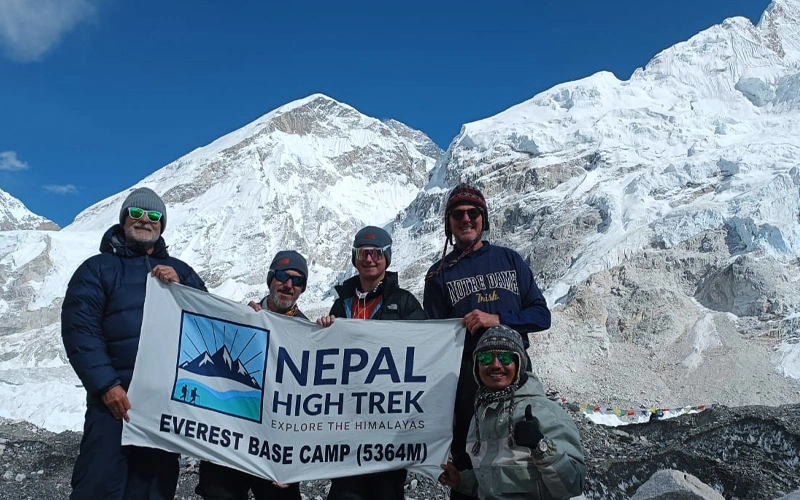
Everest Base Camp Trek vs Manaslu Circuit Trek: Routes, Difficulty, Costs, Altitude and Mountain Experience

Classroom 15x: The Ultimate Guide to Free Online Games, Features, Benefits, and Safe Gaming

Crackstube Explained: A Complete Guide to Its Features, Content, Safety, and Digital Publishing Platform

Startup Booted Fundraising Strategy: A Powerful Guide to Smart Funding and Sustainable Business Growth

Provascin: A Complete Guide to Its Ingredients, Potential Benefits, Uses, and Safety

HMJones.net Explained: A Complete Guide to Business Loans, Funding Options, and Smarter Financial Decisions

Jeremy Yaffe: The Remarkable Untold Story of Alan Arkin’s First Wife and Her Life Beyond Hollywood

ABS Testauslösung: Bedeutung, Funktion, häufige Fehler und wichtige Sicherheitstipps

How Dental Implant Quotes Are Built: A Practical Cost Guide for Maple Grove, Minnesota

Pedal And Post Collapse: The Shocking Closure of Oxford’s Pioneering Green Delivery Company
Sulina Frost: A Closer Look at Adam Frost’s Wife, Family Life and Business Career
Sam Handel: Inside His Creative Career, Family Life, and Marriage to Lauren Ambrose
Naples travel guide: discover art, history and panoramic views
Jake Moritt: The Inspiring Story of Krista Allen’s Son, His Acting Career and Life in Hollywood
Park & Fly Long Term Parking: How to Book Early and Travel With Less Stress
Which Wildlife Trips in India Actually Suit You?
Bilieter Explained: The Surprising Meaning, Digital Ticketing Connection, and Complete Guide
Portar Leisa: The Surprising Truth About Its Meaning, Origins, and Modern Significance
Trafficos Explained: A Powerful Guide to Smarter Traffic Growth and Digital Marketing
Trastullami: Discover the Amazing Stretch Tulle Fabric for Fashion, Crafts, and Creative Designs
-
 Blog3 months ago
Beyond the Cages: How an Artificial Zoo Could Redefine Wildlife Travel
-
 Destination Guides3 months ago
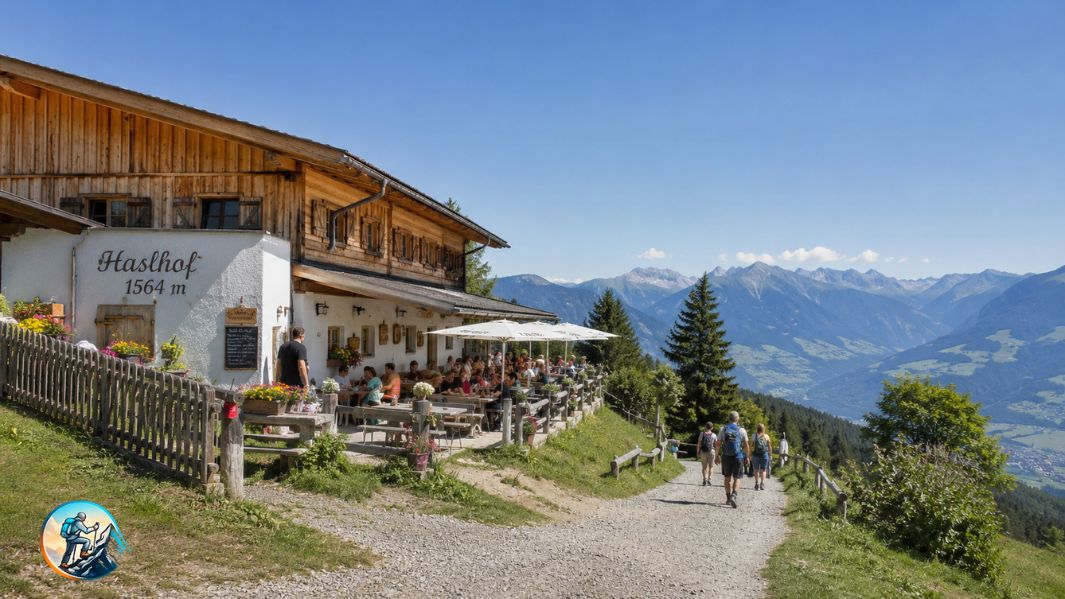
Beyond the Map: Discovering Haslhof in Italy and Bavaria
-
Adventure Travel3 weeks ago
Everest Base Camp Trek vs Manaslu Circuit Trek: Routes, Difficulty, Costs, Altitude and Mountain Experience
-
 Entertainment2 weeks ago
Classroom 15x: The Ultimate Guide to Free Online Games, Features, Benefits, and Safe Gaming