

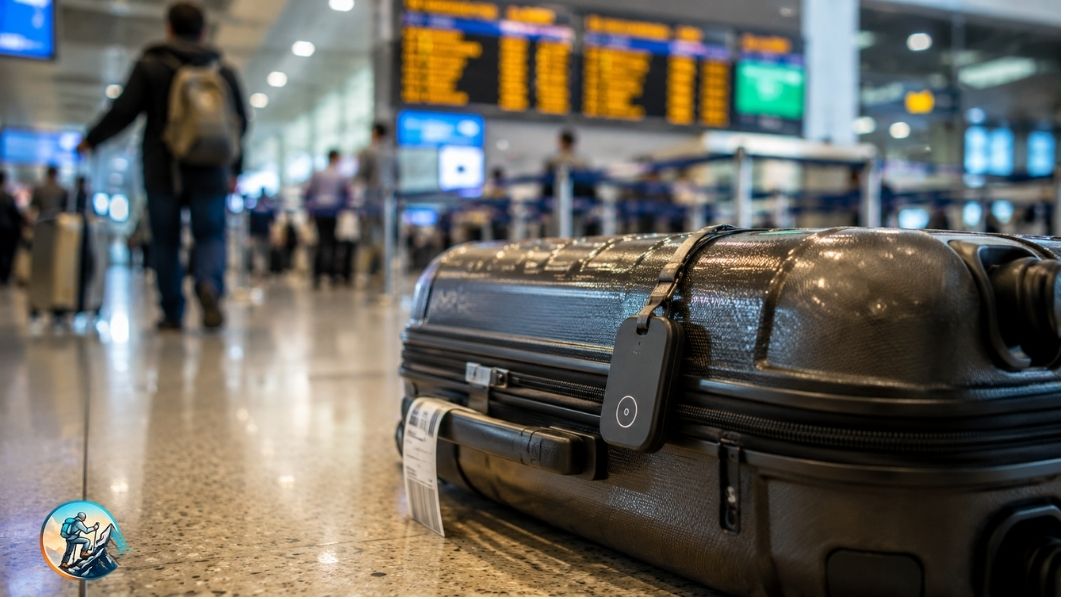
Travel is exciting because it takes us out of routine, but that freedom also creates uncertainty. A bag disappears at an airport, a rented car sits somewhere in a parking area, or a family member takes a different path through a crowded attraction. This is where Tracqueur becomes a useful travel concept. The term is commonly associated with a tracker or tracking system, especially tools using GPS, Bluetooth, or mobile connectivity to locate belongings and vehicles. For travelers, the value is simple: awareness without turning a holiday into constant monitoring.
Why Tracqueur Can Make Travel Easier
A Tracqueur-style device can help with luggage tracking, road trips, outdoor travel, and family holidays. Imagine landing after a long flight and noticing your suitcase hasn’t appeared on the carousel. A tracker cannot force the airline to return the bag immediately, but it may help you see whether the luggage is still near the airport or has moved elsewhere. That information can make baggage reports more focused.
The same idea works for vehicle tracking during self-drive trips. Travelers often park on unfamiliar streets, in large garages, at festival grounds, or in tourist complexes. Saving the car’s position on a phone or using a compatible tracker can prevent an exhausting search later. On hiking or cycling trips, route-recording apps can create a useful digital trail, although they should never replace navigation skills, local advice, or emergency preparation.
Using Tracqueur for Luggage and Personal Items
The best use of Tracqueur for travel is often the least intrusive: tracking your own possessions. You can place a compact Bluetooth tracker inside checked luggage, a backpack, a camera case, or another valuable item. Some devices work only when nearby phones or connected networks detect them, while GPS trackers may provide more accurate positioning but often require charging, mobile service, or a subscription.
Before departure, test the tracker at home. Make sure the battery is healthy, the app is signed in, notifications work, and the device name clearly identifies the item. “Blue suitcase” is far more helpful during an airport delay than “Tracker 2.” Travelers should also check airline policies on batteries and electronic devices, as they can vary.
Tracker and Travel Safety Without Losing Privacy
Tracking technology feels reassuring, but responsible use matters. A traveler should never secretly track another adult, and families or groups should discuss location sharing openly. Location privacy is part of safe travel too. Apps may store movement history or require location permissions, so review settings before a trip and restrict access to what you do not need.
For group travel, temporary phone-based location sharing may be more practical than buying extra hardware. It can help when friends separate in a theme park, market, station, or unfamiliar city. Agree in advance on when sharing starts and ends. That keeps the tool useful without making anyone feel watched.
How Tracqueur Helps During a Travel Problem
If luggage, equipment, or another tracked item goes missing, start with the official process. At an airport, report delayed baggage through the baggage desk and keep your claim details. At a hotel, station, or attraction, contact staff or security. Use tracker information as supporting evidence rather than attempting to recover an item from an unknown location yourself.
If your item is stolen, personal safety comes first. A map pin is not an invitation to confront someone. Share relevant tracking information with police, security personnel, the rental company, insurer, or another responsible authority when appropriate. Remember: tracking helps locate; it does not replace professional recovery procedures.
Choosing a Tracker for Your Next Trip
Think about the journey before choosing a device. For city breaks and airports, a small item tracker may be enough; for remote road travel, GPS coverage, battery life, mobile-network compatibility, and offline navigation matter more. Adventure travelers should consider durability and weather resistance.
Avoid packing every possible gadget. Good travel technology should reduce mental load, not add more chargers, apps, subscriptions, and alerts. I prefer tools you can check quickly and then forget until you genuinely need them. As the saying goes, “The best journeys leave room for discovery.” Tracking should protect that freedom, not dominate it.
Final Thoughts
Tracqueur makes the most sense for travelers when treated as a practical layer of awareness. Used responsibly, tracking technology can help locate luggage, remember where you parked, coordinate groups, and respond more calmly when problems arise. The smartest approach combines a reliable tracker with common-sense habits: label your bags, protect important documents, save emergency contacts, understand local conditions, and respect privacy.
Travel will always contain surprises. That is part of its charm. A well-chosen Tracqueur cannot remove uncertainty, but it can make some surprises easier to manage, leaving you with more attention for the places, people, and experiences you actually traveled to enjoy.
You May Read Also: Travel Planning Through Pixwoxn: A Smarter Way to Find Real Visual Inspiration