

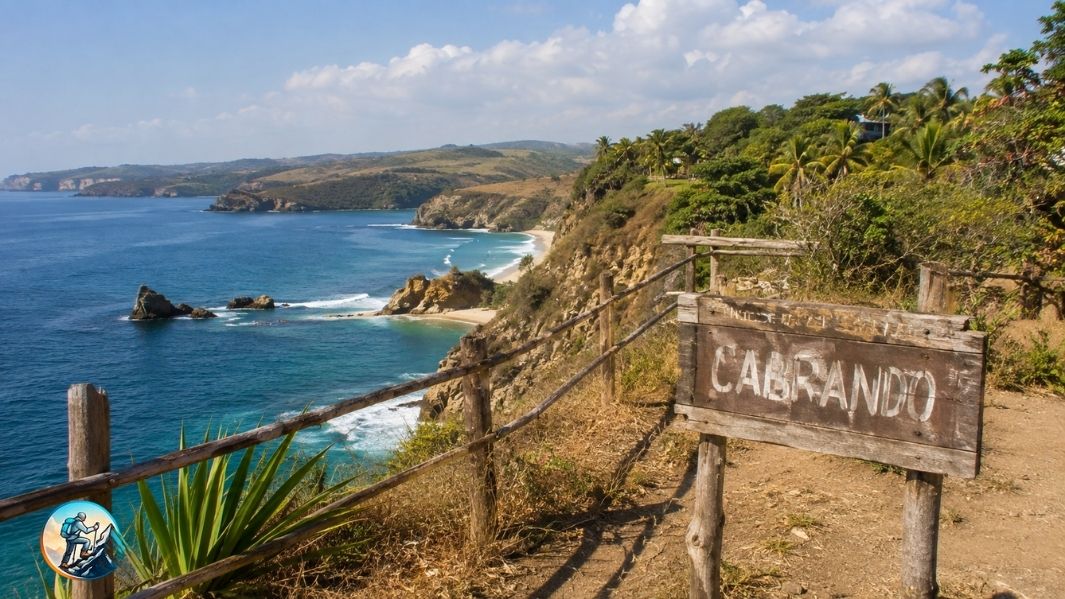
Travel is changing. Cabrando fits neatly into that shift. Rather than treating it as a fixed destination with invented borders or attractions, the best way to understand Cabrando in a travel context is to see it as an emerging idea tied to slow travel, local culture, environmental awareness, and deeper interaction with communities. Spend more time noticing where you are, support the people who live there, and return home with memories that feel more personal than another collection of hurried photographs.
What Cabrando Means for Modern Travelers
Cabrando is a travel style that prioritizes experience over speed. Think smaller guesthouses instead of anonymous stays, neighborhood cafés instead of familiar chains, walking routes instead of constant transfers, and conversations with residents rather than treating a place as scenery. It connects with responsible tourism, eco-friendly travel, and cultural immersion. A Cabrando-style trip could happen in a coastal town, mountain settlement, historic district, or quieter corner of a major city. What matters is the traveler’s behavior: staying curious, consuming thoughtfully, and leaving as light a footprint as practical.
Cabrando Travel Is About Slowing Down
The easiest way to experience Cabrando is to plan less aggressively. Instead of squeezing five places into two days, choose one area and get to know it well. Leave room for an unplanned market visit, a long lunch, a walking trail, or an afternoon when nothing dramatic happens. My favorite travel days are rarely the ones with the longest list of attractions; they are usually the ones when a small conversation, an unexpected viewpoint, or a local meal changes the mood of the whole trip. “Travel feels richest when the place benefits from your presence too.”
How to Plan a Cabrando-Inspired Trip
Start with accommodation. Look for locally run hotels, guesthouses, farm stays, or small properties that employ people from the surrounding area. Plan transport around shorter distances whenever practical. Walking, cycling, public transport, and shared transfers can reduce costs while helping you experience a destination at street level. Food matters too. Choosing local restaurants, seasonal dishes, independent bakeries, and produce markets keeps more visitor spending within the community. You don’t need to avoid famous attractions; balance them with places where everyday life still feels visible.
Budgeting matters. Slow travel can reduce transportation costs, although longer stays may increase accommodation expenses. Compare total daily cost rather than assuming slower automatically means cheaper. During peak season, reserve essential accommodation and transport first, then leave part of each day flexible. Carry reusable items where practical and follow local rules around wildlife, trails, photography, dress, and sacred spaces.
Is Cabrando Suitable for Families, Solo Travelers, and Couples?
Yes, because the idea is flexible. Families can create calmer days with fewer transfers. Solo travelers may enjoy community-based experiences, walking tours, workshops, and social guesthouses. Couples can build slower itineraries around food, nature, craft, and quiet neighborhoods instead of constantly moving between headline attractions. The key is matching the pace to your needs. Responsible travel should still be comfortable, safe, and enjoyable.
Common Cabrando Travel Mistakes to Avoid
Do not confuse authenticity with invading private life. A residential neighborhood is not a theme park, and a traditional community does not owe visitors access to ceremonies, homes, or photographs. Ask before photographing people and avoid businesses that exploit wildlife or stage degrading cultural experiences. Another mistake is assuming anything labeled “eco” is automatically sustainable. Look for specific practices such as waste reduction, local employment, water management, conservation support, or transparent community partnerships. Avoid romanticizing poverty or remoteness; meaningful travel is about respect, not turning hardship into a travel aesthetic.
Why Cabrando Matters in a Crowded Travel World
The strongest idea behind Cabrando is not discovering somewhere nobody else knows. It is traveling differently in places that already exist. When overtourism, rising costs, environmental pressure, and crowded attractions frustrate residents and visitors, a slower approach offers practical value. Staying longer, spreading spending across local businesses, traveling outside the busiest hours, and respecting community boundaries can make a trip more rewarding.
Conclusion: Let Cabrando Change the Way You Explore
Cabrando is most useful when you treat it as a travel mindset rather than a mysterious destination. It encourages travelers to slow down, notice more, spend thoughtfully, and build journeys around connection instead of collection. You can apply it almost anywhere: choose a smaller area, support local people, learn basic etiquette, reduce avoidable waste, and leave space for discovery. The result may not be the busiest itinerary, but it can be better—a trip that feels grounded, memorable, and genuinely connected to the place you came to experience.
You May Read Also: A Sweet Port Perry Escape: Sweethomecocohlate for Chocolate-Loving Travelers