
Foods
Matta Rice: Discover the Amazing Health Benefits, Nutrition, and Traditional Kerala Cooking Secrets

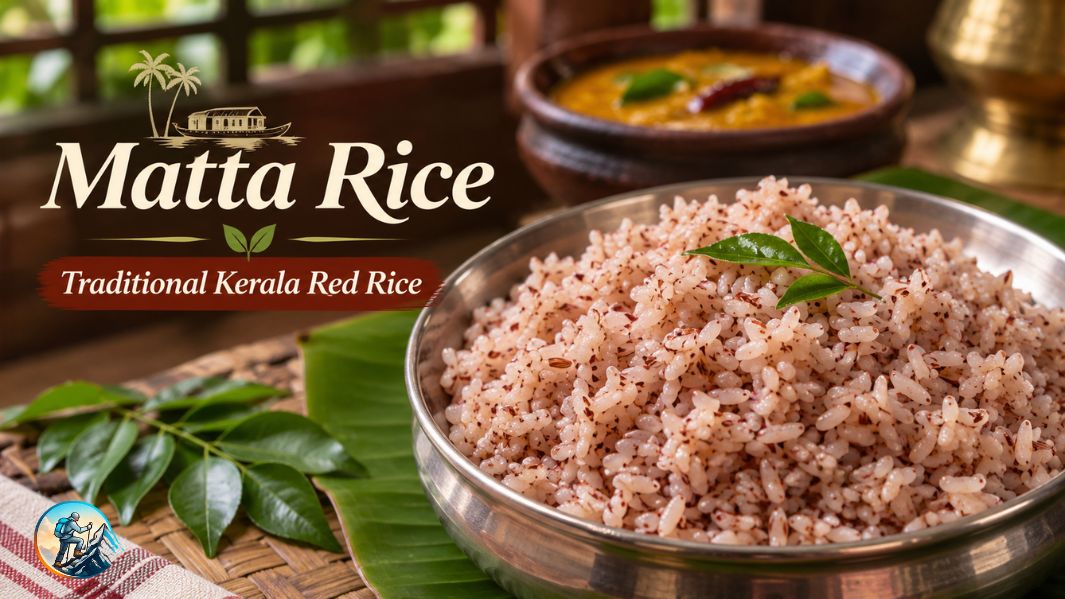
Matta rice is a traditional variety of red rice widely enjoyed in Kerala, a state in southern India. Known for its distinctive reddish outer layer, earthy flavor, and firm texture, this rice has remained an important part of regional food culture for generations. Unlike highly polished white rice, matta rice is often sold with some of its nutrient-rich outer layers intact, giving it a distinctive look and a satisfying bite. Its popularity extends beyond Kerala, particularly among people who appreciate traditional grains, regional Indian cuisine, and less-refined alternatives to everyday white rice.
This article explores matta rice, including its origins, nutritional qualities, traditional preparation methods, culinary uses, and important considerations when incorporating it into everyday meals.
What Is Matta Rice?
Matta rice, commonly called Kerala matta rice, Palakkadan matta rice, rose matta rice, or Kerala red rice, is recognized for its bold grains and reddish-brown outer coating. The color comes mainly from the grain’s pigmented outer layers, particularly the red pericarp. Depending on how extensively the rice has been milled, these layers may remain partially or substantially intact. Wide commercial varieties also undergo parboiling, a process that involves soaking, steaming, and drying paddy before milling. This process changes the grain’s cooking characteristics and can help preserve some nutrients. Once prepared, matta rice generally has a pleasantly earthy flavor and a relatively firm texture. It suits meals with rich curries, vegetable preparations, lentils, and traditional Kerala side dishes.
History and Origin of Matta Rice in Kerala
The history of matta rice is closely tied to Kerala’s agricultural traditions, especially in the Palakkad district. This region is known for its distinctive agricultural landscape, including clay-rich soils and paddy fields that retain water effectively. Local environmental conditions and established farming practices have contributed to the identity of Palakkadan matta rice. It has long been associated with regional meals and food traditions, although specific historical claims about its use in ancient royal households are difficult to establish conclusively. Importantly, Palakkadan Matta Rice received Geographical Indication registration in India in 2007, recognizing its connection with a defined geographical origin. This protected designation helps distinguish the recognized regional agricultural product from rice marketed under similar descriptive names elsewhere.
Nutritional Value of Matta Rice
One reason matta rice attracts attention is its nutritional composition. Like other types of rice, it primarily provides carbohydrates, which the body uses for energy. However, less-polished matta rice can retain more dietary fiber and certain micronutrients than highly refined white rice because some of the grain’s outer layers remain. Rice bran contains nutrients such as magnesium, phosphorus, and B vitamins, although the exact amounts depend on the variety, growing conditions, milling process, and cooking method. Matta rice also contains small amounts of protein and very little fat when prepared without added oil or butter. Don’t assume its calorie content is substantially lower than that of ordinary rice. Nutritional labels are the most reliable way to compare particular products because serving sizes and processing methods differ between brands.
Potential Health Benefits of Matta Rice
The potential benefits of matta rice are largely connected with its retained grain components and its role within a balanced diet. Dietary fiber supports normal digestive function and can promote feelings of fullness after meals. Magnesium supports numerous physiological processes, including normal muscle and nerve function, while carbohydrates provide an important source of dietary energy. Red-pigmented rice may also contain naturally occurring plant compounds, including phenolic substances, although concentrations vary across varieties and processing methods. These characteristics can make less-refined matta rice a useful choice for people seeking greater grain diversity.
Nevertheless, it is important not to exaggerate its health properties. Matta rice has not been established as a treatment for diabetes, obesity, heart disease, or digestive disorders. Its overall nutritional contribution depends on portion sizes, preparation methods, accompanying foods, and an individual’s dietary requirements.
Matta Rice Compared With White Rice and Brown Rice
Although matta rice, white rice, and brown rice all belong to the same broad grain category, their appearance and texture can differ considerably. Highly polished white rice has most of its bran and germ removed, producing a lighter color and usually a softer cooking texture. Brown rice retains its bran and germ, making it a less-refined option with additional fiber and micronutrients. Matta rice is distinguished by its reddish outer pigmentation, bold grain structure, and frequently parboiled preparation. However, red color does not automatically mean a rice product is completely whole grain. Some matta rice is partially polished, and different brands retain different amounts of the outer layers. Consequently, consumers should examine processing information rather than relying solely on color when comparing nutritional value. In culinary terms, matta rice offers a distinctive earthy taste and firmer mouthfeel that many people prefer alongside strongly flavored traditional dishes.
How to Cook Matta Rice Perfectly
Cooking matta rice requires attention to water quantity and cooking time because its grains are generally firmer than those of conventional polished white rice. Begin by measuring the rice and washing it thoroughly under clean running water to remove loose starch and any visible impurities. Soaking for approximately 20–30 minutes may help reduce cooking time, although it is not always necessary. For absorption-method preparation, a good starting point is about 2½ to 3 cups of water per cup of rice, adjusting based on the variety and package instructions. Bring the water and rice to a boil, reduce the heat, cover the pot, and simmer until the grains become tender. Some varieties may require 30–45 minutes or longer, depending on the degree of processing. Check periodically and add a little hot water if needed. Once cooked, allow the rice to rest briefly before serving. The goal is tender grains that retain their texture rather than becoming overly soft or mushy.
Preparing Matta Rice in a Pressure Cooker
A pressure cooker offers another practical way to prepare matta rice, especially when cooking larger quantities for household meals. Wash the rice thoroughly and add water according to the appliance manufacturer’s guidance. Because parboiled and less-polished matta rice may require more hydration than ordinary white rice, you may need to adjust the water ratio based on experience. Cooking time varies significantly between stovetop pressure cookers and electric models, so a universal number of whistles or minutes cannot guarantee consistent results. Start with a recipe suited to the exact rice and cooker you’re using, and follow the manufacturer’s pressure-release instructions. After cooking, examine the texture. If the grains remain too firm, add more water and cook briefly. Pressure cooking is particularly convenient for households that regularly serve Kerala-style rice with vegetable curries, lentils, and other traditional accompaniments.
Traditional Kerala Dishes Served With Matta Rice
Matta rice occupies an important position in Kerala cuisine because its flavor and texture complement a wide range of regional preparations. A common combination is cooked rice served with sambar, a lentil-based vegetable dish seasoned with spices. It also pairs well with avial, a preparation of mixed vegetables traditionally combined with coconut and other ingredients, and with thoran, a vegetable dish often incorporating grated coconut. Rasam, vegetable curries, and various pulse preparations offer more options for everyday meals. Another traditional use is kanji, a rice porridge made by cooking rice with additional water until it reaches the desired consistency. This simple preparation is valued for its comforting character and versatility. Matta rice can also appear in certain regional snacks and rice-based preparations, although the precise form of rice used depends on the recipe.
How to Choose High-Quality Matta Rice
Selecting good-quality matta rice involves examining the packaging, grain condition, and product description. Look for clean, reasonably uniform grains without signs of moisture damage, insects, or unusual odors. A natural reddish or pinkish-brown appearance is characteristic, but the precise shade can vary depending on the variety and degree of milling. Packaging may identify the rice as Kerala matta, rose matta, or Palakkadan matta, although these names should not automatically be treated as interchangeable guarantees of origin. Buyers specifically seeking GI-recognised Palakkadan matta rice should check available producer and origin information. It is also useful to distinguish between raw and parboiled products because their cooking requirements may differ. Carefully reading the label helps consumers make a more informed decision based on flavor preferences, nutritional priorities, and preparation methods.
Proper Storage and Preservation of Matta Rice
Correct storage helps maintain the quality of matta rice and reduces the risk of contamination. Uncooked rice should be kept in a clean, dry, airtight container away from excessive heat, moisture, and direct sunlight. A cool cupboard or suitable pantry shelf is generally appropriate, as long as environmental conditions remain stable. Rice with more of its natural outer layers intact may deteriorate more quickly than highly polished white rice because the bran contains oils that can gradually become rancid. For this reason, consumers should follow the manufacturer’s recommended storage period and inspect the product before use. Cooked rice requires particular care because improperly cooled or stored rice can support the growth of Bacillus cereus, a bacterium associated with foodborne illness. Refrigerate leftovers promptly, ideally within one hour, keep them at a safe refrigerated temperature, and reheat thoroughly without repeatedly leaving the rice at room temperature.
Is Matta Rice Suitable for Weight Management?
Matta rice can be incorporated into a weight-management eating plan, but it should not be regarded as a food that automatically causes weight loss. Its fiber content, particularly in less-polished varieties, may support post-meal satisfaction when eaten alongside vegetables, protein-rich foods, and other balanced ingredients. However, matta rice remains a carbohydrate-rich food that contributes calories, just like other forms of rice. Portion size, total energy intake, physical activity, and overall dietary patterns remain important factors in weight management. Replacing white rice with matta rice does not necessarily reduce calorie intake, especially when identical portions are consumed. A more practical approach is to choose a suitable serving size and pair it with nutritious foods based on individual needs.
Matta Rice and Blood Sugar Considerations
People interested in blood sugar management sometimes choose matta rice because of its fiber content and traditional processing methods. However, the glycaemic response to matta rice varies. It can vary by rice variety, milling, parboiling, cooking time, serving size, and accompanying foods. Research involving traditional Kerala rice varieties has identified differences in starch digestibility, indicating that individual varieties should not automatically be assigned the same glycaemic characteristics. Matta rice still contains substantial amounts of digestible starch and can raise blood glucose levels. Individuals managing diabetes should therefore consider carbohydrate portions and their personal dietary guidance rather than assuming that red rice can be eaten without restriction. Pairing rice with vegetables, pulses, and suitable protein sources can create a more balanced meal.
Frequently Asked Questions About Matta Rice
1. Is matta rice healthier than regular white rice?
Less-polished matta rice may provide more fiber and certain micronutrients than highly polished white rice. However, the nutritional difference depends on how the rice is processed and how much you eat.
2. Does matta rice help with weight loss?
Matta rice can be part of a balanced weight-management diet, but it does not cause weight loss on its own. Appropriate portions and overall eating habits remain important.
3. How long does matta rice take to cook?
Cooking usually takes about 30–45 minutes on a stovetop, though some varieties take longer. Soaking, processing, water quantity, and cooking equipment can affect the required time.
4. Can people with diabetes eat matta rice?
People with diabetes may be able to include matta rice in their meals, but carbohydrate portions and individual blood glucose responses matter. It should not be considered a diabetes treatment or a guaranteed low-glycaemic food.
5. What makes Palakkadan matta rice special?
Palakkadan matta rice is recognized for its geographical connection to Kerala’s Palakkad region, its characteristic red outer layer, distinctive flavor, and established agricultural heritage. It received Geographical Indication registration in 2007.
Conclusion
Matta rice represents an important part of Kerala’s culinary and agricultural heritage, offering a distinctive combination of earthy flavor, firm texture, and traditional preparation methods. Its characteristic reddish outer coating and varying degrees of refinement distinguish it from many commonly consumed white rice products. Less-polished varieties can contribute useful nutrients and dietary fiber, while the rice’s versatility makes it suitable for curries, vegetable preparations, and traditional kanji. Understanding its cooking needs, nutritional limits, storage requirements, and regional identity helps consumers appreciate the grain without relying on exaggerated health claims. For anyone interested in exploring traditional Indian rice varieties, matta rice offers a flavourful and practical addition to a varied, balanced diet.

Internet Chicks Explained: The Surprising Truth Behind Digital Fame, Online Identity, and Internet Culture

Importpellet: The Essential Guide to Its Meaning, Websites, Wood Pellet Imports, and Benefits

Highit: Powerful IT Solutions for Smarter, Safer, and More Reliable Business Operations

amandeuce: The Fascinating Story Behind InflightXperience and Its Aviation Videos

Isabella Loggins: The Inspiring Life, Family Story, and Musical Legacy of Kenny Loggins’ Daughter

Lisselle Kayla: The Inspiring Life, Career and Remarkable Story of Naomie Harris’s Mother

Nicholas Cowell: The Remarkable Property Mogul Who Built His Own Successful Business Empire

Joss Winslet: The Fascinating Story of Kate Winslet’s Private Younger Brother

Bobby Horan: The Inspiring Story of Niall Horan’s Humble and Supportive Father

Riaze Foster: The Remarkable Life, Career and Untold Story of Idris Elba’s Eldest Son

How Dental Implant Quotes Are Built: A Practical Cost Guide for Maple Grove, Minnesota

Classroom 15x: The Ultimate Guide to Free Online Games, Features, Benefits, and Safe Gaming

Crackstube Explained: A Complete Guide to Its Features, Content, Safety, and Digital Publishing Platform

Jeremy Yaffe: The Remarkable Untold Story of Alan Arkin’s First Wife and Her Life Beyond Hollywood

ABS Testauslösung: Bedeutung, Funktion, häufige Fehler und wichtige Sicherheitstipps
Provascin: A Complete Guide to Its Ingredients, Potential Benefits, Uses, and Safety

Nippybox Explained: What Happened to the Popular File-Sharing Platform in 2026?

Pedal And Post Collapse: The Shocking Closure of Oxford’s Pioneering Green Delivery Company

icpfit: false Explained: Meaning, Common Causes, and Smart Ways to Fix ICP Fit Issues

HMJones.net Explained: A Complete Guide to Business Loans, Funding Options, and Smarter Financial Decisions
Internet Chicks Explained: The Surprising Truth Behind Digital Fame, Online Identity, and Internet Culture
Importpellet: The Essential Guide to Its Meaning, Websites, Wood Pellet Imports, and Benefits
Highit: Powerful IT Solutions for Smarter, Safer, and More Reliable Business Operations
amandeuce: The Fascinating Story Behind InflightXperience and Its Aviation Videos
Isabella Loggins: The Inspiring Life, Family Story, and Musical Legacy of Kenny Loggins’ Daughter
Lisselle Kayla: The Inspiring Life, Career and Remarkable Story of Naomie Harris’s Mother
Nicholas Cowell: The Remarkable Property Mogul Who Built His Own Successful Business Empire
Joss Winslet: The Fascinating Story of Kate Winslet’s Private Younger Brother
Bobby Horan: The Inspiring Story of Niall Horan’s Humble and Supportive Father
Riaze Foster: The Remarkable Life, Career and Untold Story of Idris Elba’s Eldest Son
-
 Destination Guides4 months ago
Beyond the Map: Discovering Haslhof in Italy and Bavaria
-
 Blog3 months ago
Beyond the Cages: How an Artificial Zoo Could Redefine Wildlife Travel
-
 Health2 weeks ago
How Dental Implant Quotes Are Built: A Practical Cost Guide for Maple Grove, Minnesota
-
 Adventure Travel1 month ago
Everest Base Camp Trek vs Manaslu Circuit Trek: Routes, Difficulty, Costs, Altitude and Mountain Experience