
Technology
HRMtaila Explained: A Powerful Guide to Smarter Human Resource Management

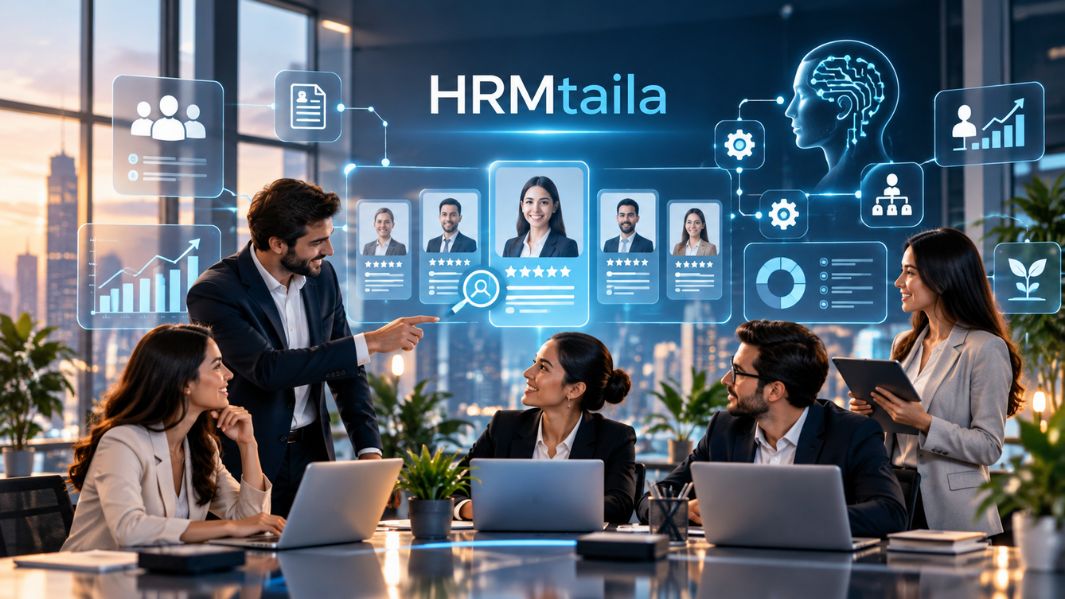
Human resource management has changed considerably as organizations move away from paperwork, disconnected spreadsheets, and time-consuming administrative processes. Businesses increasingly rely on digital technology to organize employee information, improve recruitment, and support workforce decisions. In this changing environment, HRMtaila has emerged as an unusual online term linked to artificial intelligence, workplace automation, and modern human resource management. Although its exact identity remains unclear, the discussions surrounding it reflect a genuine transformation in how businesses manage their people. Understanding the term requires looking beyond the name to examine the technologies, opportunities, and responsibilities shaping today’s digital HR environment.
This article explores HRMtaila’s meaning, its connection to AI-powered HR management, potential applications, business benefits, challenges, and the importance of responsible technology adoption.
What Is HRMtaila?
HRMtaila is an emerging online keyword commonly associated with combining human resource management (HRM) and artificial intelligence. Rather than referring to a clearly documented commercial product, the term is currently used in discussions about intelligent HR systems, employee administration, workforce analytics, and automated business processes. In a broader context, it refers to using technology to reduce repetitive work while helping HR professionals make more informed decisions. For example, a modern digital HR system may organize employee records, assist with scheduling, or help managers identify workforce trends. These are established applications of HR technology, although they should not automatically be described as confirmed features of a specific HRMtaila product.
Understanding the Origin and Meaning of HRMtaila
The word HRMtaila has attracted attention partly because its origin is not clearly documented. The letters HRM are widely recognized as an abbreviation for Human Resource Management, which covers recruitment, employee development, compensation, workplace policies, and staff relations. However, the remaining part of the term lacks a verified official explanation. Some online articles link the full term to intelligent workplace systems, but these interpretations should not be mistaken for an established definition. Reliable public documentation is also insufficient to identify a specific founder, software developer, launch date, or registered organization responsible for the name. This distinction helps readers separate an emerging digital expression from an established technology brand.
The Relationship Between HRMtaila and Modern HR Technology
The broader ideas connected to HRMtaila closely relate to technological developments already reshaping human resource departments. Traditional HR operations often required employees to maintain physical documents, manually update spreadsheets, and communicate information through separate channels. Modern human resource information systems (HRIS) centralize many administrative activities in digital environments. More advanced solutions may incorporate artificial intelligence to summarize information, answer routine questions, or identify patterns within approved datasets. These capabilities can help HR teams spend less time on repetitive administration and more time supporting employees. However, technology works best when organizations establish clear responsibilities, maintain accurate records, and preserve human judgment in sensitive employment matters.
How Artificial Intelligence Supports Recruitment
Recruitment is one area where AI-assisted HR technology can provide practical advantages. Hiring teams may receive hundreds of applications for a single vacancy, creating significant administrative pressure. Well-designed recruitment software can organize submissions, schedule interviews, summarize candidate information, and manage communication throughout the hiring process. Some systems also support skills-based candidate searches. Nevertheless, automated recruitment introduces important concerns about accuracy, transparency, and discrimination. Algorithms may reproduce historical biases or overlook qualified applicants whose information doesn’t match expected patterns. Employers should therefore test recruitment tools carefully, explain relevant automated processes to candidates, and ensure that consequential hiring decisions receive appropriate human oversight.
Improving Employee Onboarding and Workplace Integration
Starting a new job involves numerous activities, from submitting employment documents to understanding company policies and completing initial training. Digital onboarding systems can simplify these responsibilities by presenting new employees with organized instructions, task lists, and relevant resources. AI-assisted employee support tools may also answer common questions about workplace procedures, provided their responses are based on reliable company information. Within the HRMtaila-related concept, these applications illustrate how technology could make workplace integration more consistent and manageable. However, an effective onboarding experience must still involve personal interaction with supervisors and colleagues. Employee engagement grows through communication, trust, and meaningful support, not automation alone.
Organizing Employee Records and HR Administration
Maintaining accurate employee information is a fundamental responsibility of every HR department. Organizations manage employment contracts, attendance information, training records, leave requests, and other confidential documents throughout the employee lifecycle. Digital HR platforms can consolidate these records, reducing duplication and helping authorized staff find essential information more quickly. Automated reminders can help with document renewals, training deadlines, and administrative approvals. These practical applications explain why people often discuss centralized employee data management alongside emerging HR technology concepts. However, storing information digitally does not guarantee its security or accuracy. Organizations must set appropriate access permissions, retention schedules, backup procedures, and processes to correct outdated or inaccurate records.
Workforce Analytics and Better Business Decisions
Workforce analytics involves studying employment-related information to understand patterns that affect organizational performance. Businesses may examine staff turnover, recruitment times, absence trends, training participation, and workforce capacity to identify areas requiring attention. Suitable analytical tools can present this information through charts, summaries, and management reports. For instance, a company experiencing repeated employee departures might investigate whether workload, management practices, or limited development opportunities contribute to the problem. Workforce analytics can support this investigation, but it cannot establish every cause on its own. Interpret data carefully, especially when conclusions could affect individual employees. Reliable decision-making combines quantitative findings with workplace context, employee feedback, and professional experience.
Supporting Employee Development and Performance
Professional development remains essential for businesses that want employees to adapt to changing responsibilities. Modern HR technology can help organize learning materials, track completed courses, identify required qualifications, and support development planning. Certain AI-enabled tools may recommend training resources based on documented skills or job requirements. Performance management systems can also help record goals and prepare structured review conversations. Nevertheless, numerical indicators alone cannot capture employee performance. Creativity, cooperation, leadership, and personal circumstances may require thoughtful human assessment. Businesses should avoid treating automated scores as complete representations of professional ability. Technology can provide useful supporting information, while managers remain responsible for constructive feedback and fair evaluation.
Potential Benefits for Growing Businesses
The greatest attraction of AI-assisted HR systems is their potential to make routine operations more efficient without unnecessarily increasing administrative workloads. As employee numbers grow, businesses often struggle to maintain consistent procedures. Digital workflows can improve record organization, reduce repeated data entry, and make standard information easier to access. Automated reminders may also help teams complete routine administrative tasks on time. These improvements can free HR professionals to concentrate on workforce planning, employee relations, and organizational development. Yet the benefits depend on appropriate implementation, staff training, software reliability, and the quality of existing processes. HR automation is most useful when it addresses an identifiable business problem rather than being introduced simply because a new technology appears fashionable.
Important Challenges and Limitations
Despite its potential, intelligent HR technology presents operational and ethical challenges. Poorly configured systems can produce inaccurate recommendations, confuse employees, or increase administrative complexity rather than reduce it. Artificial intelligence may also generate convincing but incorrect summaries or conclusions, particularly when the underlying information is incomplete. Employees may worry if automated tools seem to monitor their activities excessively or make important judgments without explanation. Businesses must consider accessibility, implementation costs, system compatibility, and the training required for successful adoption. In addition, HRMtaila should not be treated as a proven platform with guaranteed results because its commercial identity remains unverified. Understanding these limitations supports realistic expectations and more responsible technology decisions.
Data Privacy, Transparency, and Human Oversight
Employee information often includes personal and sensitive details, making data privacy a central consideration when adopting HR software. Organizations should collect only the information needed for legitimate purposes, explain how they will process it, and restrict access based on job responsibilities. Automated decisions involving recruitment, promotion, or other significant employment matters also require particular care. Applicable legal requirements vary by jurisdiction, so employers should review relevant employment and data protection obligations before implementing these tools. Fairness testing, documented accountability, and meaningful opportunities to challenge decisions can help protect workers. Responsible HR management requires more than technical efficiency; it demands systems that support employee dignity, transparency, and organizational trust.
How Businesses Can Approach AI-Powered HR Management
Organizations interested in the ideas behind HRMtaila should start by examining their existing HR processes rather than searching for a product based solely on an unfamiliar name. Managers can identify repetitive tasks, evaluate the quality of available information, and decide which activities would genuinely benefit from digital assistance. Before choosing a platform, businesses should verify its provider, published capabilities, security arrangements, contractual terms, and customer support. A limited pilot can help determine whether the software performs reliably in everyday situations. Employees should receive clear training, while HR managers monitor errors, privacy concerns, and operational outcomes. Digital transformation becomes more sustainable when organizations introduce technology gradually, measure it against practical goals, and adjust it based on employee feedback.
A Practical Example of Intelligent HR Workflows
Consider a medium-sized business that relies on email and spreadsheets to manage annual leave, employee training, and recruitment activities. Its HR team regularly answers the same questions and spends considerable time searching for documents. A well-chosen digital HR system could centralize authorized records, automate routine reminders, and give employees access to approved policy information. Recruiters could use scheduling tools to coordinate interviews, while managers review workforce reports to understand staffing needs. This hypothetical example illustrates the general possibilities of AI-assisted HR management, not verified functions of HRMtaila itself. The real value depends on whether the chosen system improves accuracy, reduces unnecessary work, and supports a better employee experience.
The Future of HRMtaila and Digital Human Resources
The future of HR technology will likely involve closer integration among administrative software, workforce data, employee support tools, and artificial intelligence. Organizations may increasingly use automated assistance for routine information retrieval, reporting, and workflow coordination. At the same time, expectations surrounding fairness, explainability, and responsible data use will remain important. It remains uncertain whether HRMtaila will develop into a recognized technology name or remain an emerging online expression. Its association with intelligent HR management nevertheless highlights a meaningful discussion: how can employers use digital capabilities without losing the human qualities essential to effective workplaces? Successful organizations will balance technological progress with accountability, empathy, and informed leadership.
Frequently Asked Questions
What does HRMtaila mean?
HRMtaila is an emerging online term associated with artificial intelligence and human resource management. Its official definition and precise origin have not been independently established.
Is HRMtaila a real software platform?
Reliable public evidence is currently insufficient to confirm HRMtaila as an established commercial software platform with a documented developer, official product specifications, and a verified customer base.
How can AI improve human resource management?
Artificial intelligence can assist HR professionals with administrative workflows, recruitment coordination, employee support, workforce reporting, and information organization. Its effectiveness depends on implementation quality and appropriate oversight.
Can AI replace human resources professionals?
AI can support repetitive tasks, but it cannot replace the full range of human responsibilities involved in workplace relationships, conflict resolution, employee welfare, and sensitive employment decisions.
What should businesses check before adopting HR technology?
Businesses should evaluate provider credibility, data security, practical functionality, costs, legal compliance, accessibility, system compatibility, and the availability of meaningful human oversight.
Conclusion
HRMtaila represents an emerging online term associated with the wider development of intelligent human resource management. Although its identity as a specific software product remains unconfirmed, the technologies discussed alongside it have meaningful applications in recruitment, employee administration, workforce analytics, and professional development. Businesses can benefit from well-chosen AI-powered HR solutions when they improve efficiency without compromising privacy, fairness, or employee trust. Ultimately, the future of successful human resource management will depend not simply on adopting advanced software but on using technology responsibly to support the people who make organizations successful.

Julie Hallam: The Untold Story of Jeremy Irons’ First Wife and Her Acting Career

Alizeh Keshvar Davis Jarrahy: The Remarkable Story of Geena Davis’s Daughter Who Inspired Change in Hollywood

Michael Ciminella: The Remarkable Life of Ashley Judd’s Father and Naomi Judd’s First Husband

Methatreams Explained: The Surprising Truth About Free Sports Streaming, Safety, and Legal Alternatives

Debra Bollman: The Remarkable True Story Behind Her Viral Nigel Hayes Moment

sosoactive: The Surprising Evolution of a Digital Media Platform and Its Online Influence

Atlanta Hawks vs Celtics Match Player Stats: Stunning 112–102 Victory and Complete Game Analysis

Milwaukee Bucks vs Lakers Match Player Stats: Thrilling 105–101 Result, Top Performers and Full Analysis

Atlanta Falcons vs 49ers Match Player Stats: Stunning McCaffrey Performance and Complete Game Breakdown

Tamil Students Association: The Powerful Role of Culture, Community, and Student Success

Everest Base Camp Trek vs Manaslu Circuit Trek: Routes, Difficulty, Costs, Altitude and Mountain Experience

Classroom 15x: The Ultimate Guide to Free Online Games, Features, Benefits, and Safe Gaming

Crackstube Explained: A Complete Guide to Its Features, Content, Safety, and Digital Publishing Platform

Provascin: A Complete Guide to Its Ingredients, Potential Benefits, Uses, and Safety

ABS Testauslösung: Bedeutung, Funktion, häufige Fehler und wichtige Sicherheitstipps

HMJones.net Explained: A Complete Guide to Business Loans, Funding Options, and Smarter Financial Decisions

Startup Booted Fundraising Strategy: A Powerful Guide to Smart Funding and Sustainable Business Growth

Pedal And Post Collapse: The Shocking Closure of Oxford’s Pioneering Green Delivery Company

Glorvix Com About Us: The Essential Guide to Its Services, Mission, and Company Background

Sajar Plastics Inc: The Remarkable Story Behind Its Advanced Plastic Manufacturing Technology
Julie Hallam: The Untold Story of Jeremy Irons’ First Wife and Her Acting Career
Alizeh Keshvar Davis Jarrahy: The Remarkable Story of Geena Davis’s Daughter Who Inspired Change in Hollywood
Michael Ciminella: The Remarkable Life of Ashley Judd’s Father and Naomi Judd’s First Husband
Methatreams Explained: The Surprising Truth About Free Sports Streaming, Safety, and Legal Alternatives
Debra Bollman: The Remarkable True Story Behind Her Viral Nigel Hayes Moment
sosoactive: The Surprising Evolution of a Digital Media Platform and Its Online Influence
Atlanta Hawks vs Celtics Match Player Stats: Stunning 112–102 Victory and Complete Game Analysis
Milwaukee Bucks vs Lakers Match Player Stats: Thrilling 105–101 Result, Top Performers and Full Analysis
Atlanta Falcons vs 49ers Match Player Stats: Stunning McCaffrey Performance and Complete Game Breakdown
Tamil Students Association: The Powerful Role of Culture, Community, and Student Success
-
 Blog3 months ago
Beyond the Cages: How an Artificial Zoo Could Redefine Wildlife Travel
-
 Destination Guides3 months ago
Beyond the Map: Discovering Haslhof in Italy and Bavaria
-
Adventure Travel3 weeks ago
Everest Base Camp Trek vs Manaslu Circuit Trek: Routes, Difficulty, Costs, Altitude and Mountain Experience
-
 Entertainment2 weeks ago
Classroom 15x: The Ultimate Guide to Free Online Games, Features, Benefits, and Safe Gaming