
Budget Travel
A Smarter Travel Brand Guide to Customer Success Unmanaged Webflow

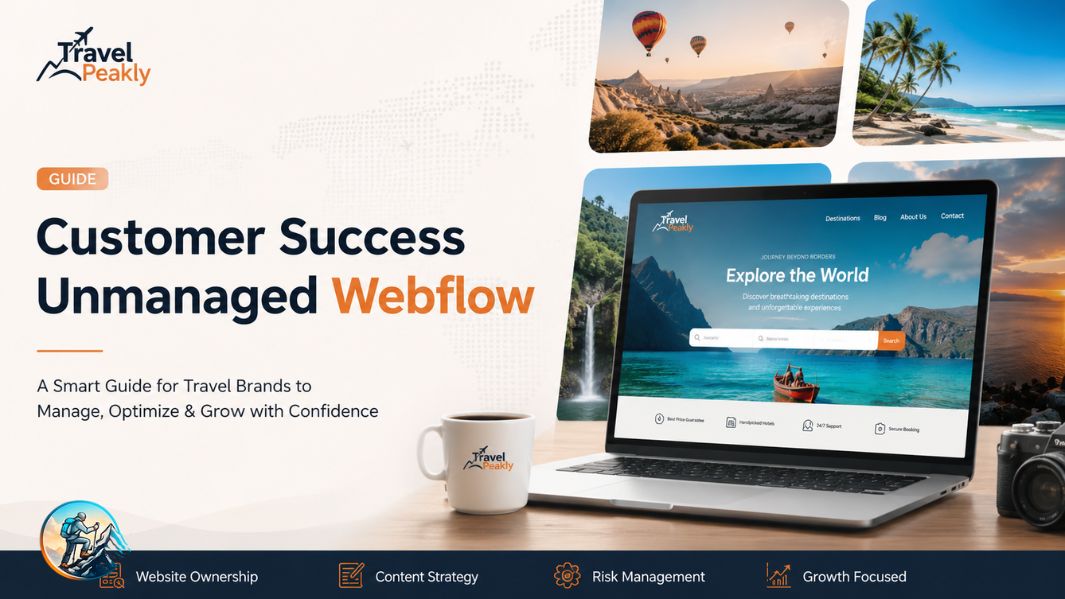
Running a travel website can feel like managing a busy airport: bookings, destination pages, seasonal campaigns, mobile visitors, and customer questions all arrive at once. Without a dedicated Webflow customer success manager, the challenge is creating a reliable system so travelers can research, trust, and book without friction. For tour operators, boutique hotels, publishers, and travel startups, Customer Success Unmanaged Webflow is really about maintaining a smooth digital journey from inspiration to reservation.
This article explains Customer Success Unmanaged Webflow in a comprehensive, factual, plagiarism-free way, separating verified platform realities from assumptions where relevant. It helps travel businesses and marketers understand the practical choices, risks, workflows, and opportunities involved in operating a Webflow site without dedicated account management.
Why Customer Success Unmanaged Webflow Matters for Travel Businesses
An unmanaged setup generally means your team lacks a dedicated platform representative to guide strategy or proactively suggest improvements. That can work for a smaller travel company when responsibilities are clear. Travel sites depend on website reliability, mobile usability, booking journeys, destination content, and seasonal updates. If nobody owns these areas, small issues can become expensive. A broken inquiry form, an outdated visa information page, or a slow mobile landing page can cost bookings before anyone notices. The safest approach is to appoint a website owner who tracks performance, coordinates updates, and knows where to find support.
Customer Success Unmanaged Webflow for Booking-Focused Teams
For a booking-focused travel team, the best unmanaged model is simple: assign ownership, create routines, and document everything. Keep a monthly checklist covering forms, booking buttons, CMS collections, redirects, analytics, accessibility, and page speed. Before high-demand periods, test the entire conversion funnel on desktop and mobile. Open your own tour pages, check prices, submit an inquiry, and confirm that emails arrive. This catches problems dashboards often miss. As one useful travel principle puts it, “A smooth journey begins before the traveler leaves home.” Your website is part of that journey.
Build a Self-Managed Support System Before Problems Appear
Don’t wait for a crisis to decide who handles what. Create a lightweight support workflow with three levels. Routine content changes should stay with marketing. Direct design or CMS issues to a trained Webflow specialist. Report serious outages, billing issues, or platform-level bugs through official support channels. Keep domain access, DNS details, integrations, backups, and third-party booking tools documented securely. For travel brands working across countries or languages, keep a change log so everyone knows what changed. This reduces duplicated work and protects important pages from accidental changes.
Use Content Strategy to Turn Independence Into an Advantage
An unmanaged Webflow setup can make teams more agile. Instead of waiting for account reviews, marketers can build their rhythm around traveler behavior. Update destination guides before seasonal demand rises, refresh tour pages when inclusions change, and create useful answers around transport, weather, entry requirements, neighborhoods, local etiquette, and trip planning. Strong travel content should solve real questions, not simply repeat keywords. Pages that quickly answer “How do I get there?”, “What should I budget?”, and “When is the best time to visit?” are naturally more useful for search, AI-assisted discovery, and readers deciding whether to book.
Practical Ways to Reduce Risk Without Enterprise-Level Hand-Holding
You do not need a large support package to behave professionally. Schedule quarterly website reviews, keep a staging process for major changes, limit publishing permissions, and train at least two people on essential tasks. Monitor organic traffic, form submissions, booking clicks, broken links, and top landing pages. If your business depends heavily on online bookings, consider keeping a Webflow freelancer or a specialist agency on retainer for higher-risk work. The goal is to ensure that expert help is available when a problem exceeds your team’s experience.
When Should a Travel Brand Consider Managed Support?
Managed support becomes attractive when the website is business-critical and complexity increases. A multi-country tour operator with many editors, localized pages, traffic, custom integrations, strict security requirements, or several revenue-generating websites has more to lose from mistakes. Compare the cost of stronger support with the potential cost of downtime, delayed campaigns, lost leads, and staff time. Smaller travel businesses can often remain unmanaged successfully if they have clear ownership, reliable processes, and access to skilled help.
Conclusion: Keep the Traveler at the Center
Customer Success Unmanaged Webflow need not mean unsupported or risky. For a travel business, success comes from treating the website like an active part of the guest experience. Give someone clear ownership, test the booking journey regularly, document critical systems, publish useful travel information, and know when to bring in specialist help. With those habits in place, an unmanaged Webflow setup can stay flexible, cost-conscious, and resilient. The technology matters, but the benchmark is simpler: travelers should move from curiosity to confidence without digital roadblocks.
You May Read Also: Smarter Business Trips: How Sbpo-Consulting Thinking Can Transform Travel Planning

Sulina Frost: A Closer Look at Adam Frost’s Wife, Family Life and Business Career

Sam Handel: Inside His Creative Career, Family Life, and Marriage to Lauren Ambrose

Naples travel guide: discover art, history and panoramic views

Jake Moritt: The Inspiring Story of Krista Allen’s Son, His Acting Career and Life in Hollywood

Park & Fly Long Term Parking: How to Book Early and Travel With Less Stress

Which Wildlife Trips in India Actually Suit You?

Bilieter Explained: The Surprising Meaning, Digital Ticketing Connection, and Complete Guide

Portar Leisa: The Surprising Truth About Its Meaning, Origins, and Modern Significance

Trafficos Explained: A Powerful Guide to Smarter Traffic Growth and Digital Marketing

Trastullami: Discover the Amazing Stretch Tulle Fabric for Fashion, Crafts, and Creative Designs
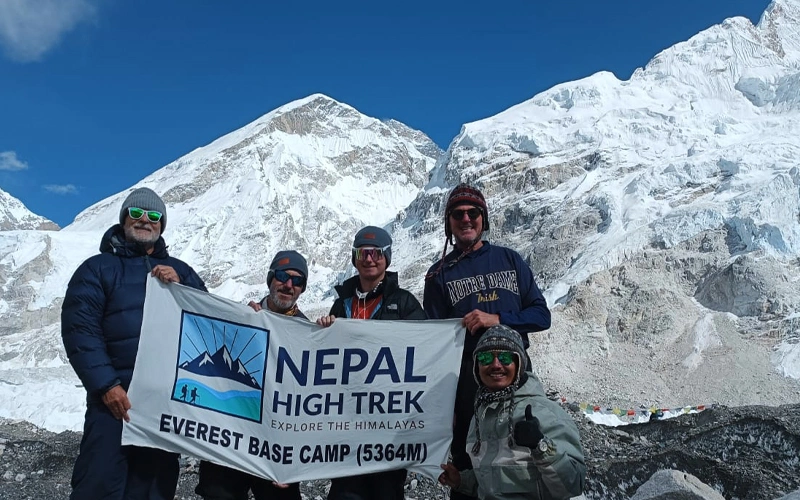
Everest Base Camp Trek vs Manaslu Circuit Trek: Routes, Difficulty, Costs, Altitude and Mountain Experience

Classroom 15x: The Ultimate Guide to Free Online Games, Features, Benefits, and Safe Gaming

Crackstube Explained: A Complete Guide to Its Features, Content, Safety, and Digital Publishing Platform

Startup Booted Fundraising Strategy: A Powerful Guide to Smart Funding and Sustainable Business Growth

Provascin: A Complete Guide to Its Ingredients, Potential Benefits, Uses, and Safety

HMJones.net Explained: A Complete Guide to Business Loans, Funding Options, and Smarter Financial Decisions

Jeremy Yaffe: The Remarkable Untold Story of Alan Arkin’s First Wife and Her Life Beyond Hollywood

ABS Testauslösung: Bedeutung, Funktion, häufige Fehler und wichtige Sicherheitstipps

Pedal And Post Collapse: The Shocking Closure of Oxford’s Pioneering Green Delivery Company

Volglaswanden: The Ultimate Guide to Stylish, Modern Glass Wall Solutions
Sulina Frost: A Closer Look at Adam Frost’s Wife, Family Life and Business Career
Sam Handel: Inside His Creative Career, Family Life, and Marriage to Lauren Ambrose
Naples travel guide: discover art, history and panoramic views
Jake Moritt: The Inspiring Story of Krista Allen’s Son, His Acting Career and Life in Hollywood
Park & Fly Long Term Parking: How to Book Early and Travel With Less Stress
Which Wildlife Trips in India Actually Suit You?
Bilieter Explained: The Surprising Meaning, Digital Ticketing Connection, and Complete Guide
Portar Leisa: The Surprising Truth About Its Meaning, Origins, and Modern Significance
Trafficos Explained: A Powerful Guide to Smarter Traffic Growth and Digital Marketing
Trastullami: Discover the Amazing Stretch Tulle Fabric for Fashion, Crafts, and Creative Designs
-
 Blog3 months ago
Beyond the Cages: How an Artificial Zoo Could Redefine Wildlife Travel
-
 Destination Guides3 months ago
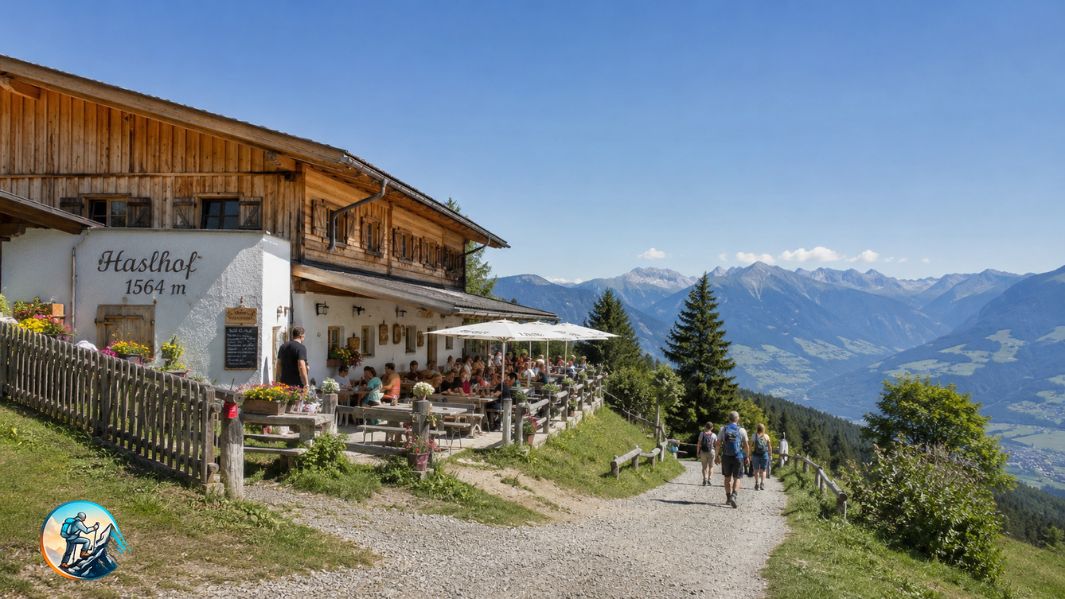
Beyond the Map: Discovering Haslhof in Italy and Bavaria
-
Adventure Travel3 weeks ago
Everest Base Camp Trek vs Manaslu Circuit Trek: Routes, Difficulty, Costs, Altitude and Mountain Experience
-
 Entertainment2 weeks ago
Classroom 15x: The Ultimate Guide to Free Online Games, Features, Benefits, and Safe Gaming