Foods
Best Asado Negro Near Me: Discover Authentic Venezuelan Flavor and the Secret to a Perfect Meal

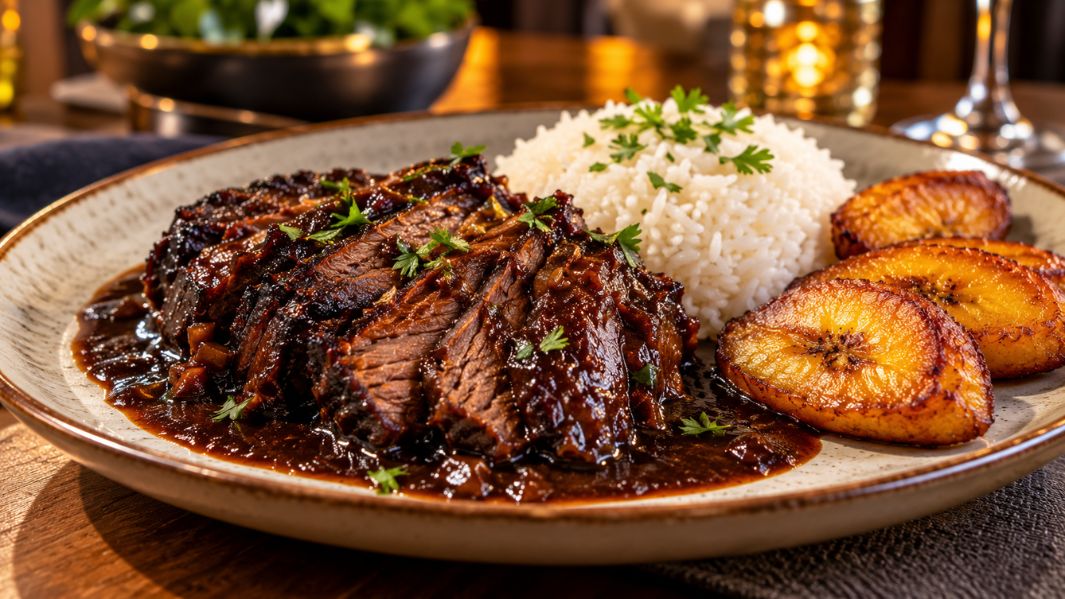
Finding the best asado negro near me can introduce food lovers to one of Venezuela’s most distinctive traditional dishes. Known for its beautifully dark appearance, tender beef, and deeply satisfying sauce, asado negro offers a dining experience that combines sweetness, savory richness, and slow-cooked perfection. Unlike ordinary roasted beef, this Venezuelan specialty develops its signature flavor through careful caramelization, aromatic seasonings, and a lengthy cooking process that transforms a relatively firm cut of meat into a memorable meal.
Whether you are already familiar with Venezuelan cuisine or exploring it for the first time, discovering a restaurant that prepares asado negro properly is worth the effort. The dish represents more than a simple dinner; it reflects family traditions, regional cooking techniques, and the importance of sharing carefully prepared food. Understanding its ingredients, preparation, and traditional accompaniments makes it easier to recognize an excellent version when searching for restaurants in your area.
What Is Asado Negro?
Asado negro is a traditional Venezuelan beef dish, typically made from a whole roast, often the eye of round, known locally as muchacho redondo. The meat is seasoned, browned with caramelized sugar or papelón, and slowly cooked in a flavourful liquid containing vegetables, spices, and sometimes wine. The result is sliced beef covered in a rich, dark sauce that combines savory depth with a distinctive sweetness.
The name translates approximately to “black roast,” referring to the dish’s intensely dark exterior and sauce. Despite its appearance, properly prepared asado negro should not taste burnt. Its color develops primarily through carefully controlled caramelization and the concentration of the braising liquid. This characteristic makes it noticeably different from conventional beef roasts found in many other cuisines.
Asado negro is closely associated with Venezuelan home cooking, particularly in Caracas and central Venezuela. It frequently appears at family gatherings, celebrations, and special meals. Although recipes vary by household, slow-cooked beef and caramelized sauce remain central to its identity.
How to Find the Best Asado Negro Near Me
To find authentic asado negro, start by identifying restaurants that specialize in Venezuelan cuisine. A general search for Latin American restaurants may reveal many options, but not every establishment prepares this dish. Some restaurants focus on street food, while others offer regional specialties or traditional home-style meals. Searching for terms such as Venezuelan asado negro, traditional Venezuelan beef, or Venezuelan food near me can help you find more options.
Restaurant menus provide valuable clues about authenticity. Establishments offering dishes such as arepas, cachapas, pabellón criollo, and traditional Venezuelan desserts may also prepare asado negro. However, its presence should never be assumed simply because other Venezuelan foods appear on the menu.
Customer reviews can be equally useful, particularly when they discuss specific meals rather than the restaurant in general. Comments about tender meat, sauce consistency, balanced seasoning, and traditional presentation provide more meaningful information than star ratings alone. Recent photos of the actual dish can also help customers judge portion size and appearance before visiting.
What Makes Authentic Asado Negro So Special?
The defining feature of authentic asado negro is the relationship between the beef and its sauce. The dish relies on slow braising, which allows flavor to penetrate the meat while gradually softening its fibers. This technique requires patience because rushing can leave the beef dry or tough, especially with lean cuts.
Another key element is papelón, an unrefined cane sugar also known as panela or piloncillo. When caramelized, it adds deep sweetness and rich color that set asado negro apart from other beef preparations. Onions, garlic, sweet peppers, and seasonings introduce additional layers of flavor, while broth and other liquids help develop the sauce.
The best preparation achieves balance rather than allowing one ingredient to dominate. Its sweetness should complement the beef, not overwhelm it. Likewise, the sauce should have enough savory complexity to remain interesting throughout the meal. This balance is one reason the dish remains a staple in Venezuelan culinary traditions.
How to Recognize High-Quality Asado Negro
A well-prepared plate of asado negro offers several noticeable signs of quality. The beef should be tender enough to cut comfortably with a fork or knife while remaining structured enough to serve in slices. Excessively dry, chewy, or difficult-to-cut meat may indicate insufficient braising or improper handling.
The sauce deserves equal attention. Authentic dark gravy should look glossy and have enough body to coat the meat without becoming unpleasantly thick. Its flavor should be complex, combining caramelized sweetness, savory notes, and a gentle acidity that keeps the dish from becoming heavy.
Appearance alone cannot establish quality. An intensely black sauce is not automatically better than a deep mahogany-brown version. In fact, excessive bitterness may indicate caramel that’s been overcooked. The most reliable assessment comes from the overall relationship between flavor, tenderness, aroma, and presentation.
Fresh ingredients, consistent seasoning, and careful cooking are ultimately more important than dramatic visual presentation.
Traditional Side Dishes That Complete the Experience
Asado negro is commonly served with white rice, one of its most practical and traditional accompaniments. The rice absorbs the rich sauce while offering a mild contrast to the beef’s concentrated flavors. This combination creates a balanced meal without competing with the main dish.
Sweet fried plantains, known as tajadas, are another popular accompaniment. Their soft texture and natural sweetness complement the caramelized beef, creating the sweet-and-savory combination that characterizes many Venezuelan meals. Mashed potatoes, potato salad, and other vegetable-based side dishes may also appear, depending on the region and household tradition.
When comparing restaurant options, consider the complete plate rather than judging the beef alone. A generous serving of properly cooked rice, freshly prepared plantains, and a balanced portion of sauce can significantly improve the dining experience. Traditional accompaniments aren’t just decorative; they bring the different flavors together.
Comparing Venezuelan Restaurants for the Best Experience
Finding the right restaurant means looking beyond menu descriptions. The establishment’s cooking approach, consistency, customer service, and understanding of Venezuelan food traditions can shape your meal’s quality.
Smaller, family-operated restaurants sometimes use recipes passed down through generations, while larger establishments may rely on standardized preparation methods. Neither approach guarantees better food. What matters is whether the kitchen understands the dish and prepares it consistently.
Pay close attention to reviews that mention homemade Venezuelan cuisine or specific traditional specialties. Customers familiar with the dish can offer helpful perspectives, though personal taste still varies. A restaurant with numerous general positive reviews may not necessarily serve exceptional asado negro.
It is also worth contacting the restaurant directly. Some kitchens prepare the dish only on certain days because it takes a long time to cook. Confirming availability before traveling can prevent disappointment and give you a chance to ask about portions, side dishes, and cooking methods.
Understanding the Ingredients and Cooking Process
Traditional asado negro generally begins by seasoning the beef with garlic, pepper, salt, and other ingredients the cook chooses. Some recipes call for marinating the meat for several hours or overnight to deepen its flavor.
Next, the cook browns the beef, often with caramelized papelón or sugar. This step helps develop the dark exterior and introduces the characteristic sweetness. Vegetables and cooking liquids are then added, allowing the meat to braise slowly until it reaches the desired tenderness.
Cooking may take several hours, depending on the cut, roast size, and equipment. During this period, the vegetables soften, the sauce develops complexity, and the liquid gradually concentrates. Once ready, you typically slice the beef and serve it with its reduced sauce.
Restaurant recipes may differ in their use of tomatoes, red wine, Worcestershire sauce, herbs, or peppers. These variations do not automatically make one version less authentic. Venezuelan home cooking has always accommodated individual family preferences, as long as the dish’s essential character remains recognizable.
Is Asado Negro Expensive at Restaurants?
The price of asado negro can vary substantially depending on location, restaurant type, portion size, ingredient costs, and preparation methods. A modest family restaurant may offer the dish as part of a traditional lunch, while a specialist dining establishment may present it as a more elaborate main course.
Because the cooking process requires time and a substantial piece of beef, it can cost more than simple grilled or quickly prepared dishes. However, a higher price doesn’t necessarily mean better quality.
When evaluating value, examine whether the advertised price includes rice, plantains, vegetables, or other sides. Consider the quantity of beef and the consistency of customer feedback. A reasonably priced meal with tender meat and a well-balanced sauce may be more satisfying than an expensive plate chosen mainly for presentation.
Let quality, authenticity, and portion size guide your decision more than price alone.
Can You Order Asado Negro for Delivery or Takeaway?
Many traditional beef dishes travel reasonably well, and asado negro can be particularly suitable for takeaway because the sauce helps keep the sliced meat moist. However, availability depends on individual restaurants and local delivery services.
When ordering, check whether the sauce is packed with the beef or in a separate container. Separate packaging can help preserve the texture of rice and other accompaniments. Fried plantains may soften during transport, so shorter delivery journeys can keep them in better shape.
Check recent delivery reviews for information about packaging, portion sizes, and food temperature. If ordering for a gathering, ask whether the kitchen offers larger portions or preparation.
After delivery, refrigerate leftovers promptly and reheat them thoroughly before eating. Good storage practices help keep food safe while letting you enjoy the rest of the meal.
Dietary Considerations Before Ordering
Although asado negro is primarily a beef dish, its complete ingredient list can vary. Some traditional recipes use red wine, and certain versions contain Worcestershire sauce or commercially prepared seasonings. Anyone avoiding alcohol, particular animal-derived ingredients, or specific allergens should confirm the recipe directly with the restaurant.
Customers seeking halal asado negro should ask whether the beef is halal-certified and whether wine or other non-compliant ingredients are used during preparation. The fact that a dish is made from beef does not, by itself, establish halal suitability.
People with gluten sensitivities or other dietary restrictions should also ask about sauces, stock, marinades, and preparation methods rather than relying solely on the dish’s appearance.
Clear communication with restaurant staff is the most dependable way to find a meal that suits individual dietary needs.
Why Asado Negro Is Worth Discovering
One reason asado negro stands out among traditional beef dishes is its unusual combination of familiar comfort and distinctive Venezuelan flavor. Slow-cooked beef is enjoyed across many cultures, but the use of caramelized cane sugar creates a character that differs from typical European-style pot roasts or standard grilled meats.
The dish also reflects the connection between food and family traditions. Its preparation encourages patience, careful seasoning, and an appreciation for recipes refined over generations.
For diners exploring Venezuelan cuisine, asado negro offers an opportunity to experience something beyond widely recognized street foods. Its rich sauce, tender meat, and traditional sides make it especially appealing to people who enjoy substantial, comforting meals.
Conclusion
Finding the best asado negro near me means finding a restaurant that respects the ingredients, cooking traditions, and distinctive flavor of this Venezuelan specialty. Tender beef, a properly caramelized sauce, balanced seasoning, and thoughtfully prepared sides all contribute to an authentic, enjoyable meal.
Instead of choosing a restaurant based solely on ratings or price, explore menus, check dish-specific reviews, and confirm availability before you go. Whether you enjoy it at a family-run Venezuelan restaurant or order it as a carefully prepared takeaway, good asado negro delivers a memorable combination of traditional cooking, rich flavor, and genuine comfort food.
(FAQs)
1. What is the best way to find authentic asado negro near me?
Search for Venezuelan restaurants, examine current menus, and read customer reviews that specifically mention asado negro. Contact promising establishments to confirm the dish is available before you visit.
2. What does authentic asado negro taste like?
Authentic asado negro has a rich, savory beef flavor balanced with caramelized sweetness and gentle acidity. Its sauce is typically dark and concentrated, while the meat should be tender and moist.
3. Is asado negro the same as regular roast beef?
No. Although both dishes use beef roasts, asado negro features a distinctive caramelization process followed by slow braising in a flavourful sauce. Regular roast beef is generally prepared using different cooking methods and seasonings.
4. What is traditionally served with asado negro?
White rice and sweet fried plantains are common accompaniments. Depending on family traditions and restaurant preferences, the dish may also be served with mashed potatoes, potato salad, or vegetables.
5. Can I find halal asado negro at Venezuelan restaurants?
It may be possible, but halal suitability must be confirmed individually. Ask whether the restaurant uses halal beef and whether the recipe contains wine or other ingredients that do not meet your dietary requirements.


Marion Walmsley: The Remarkable Story of Jon Walmsley’s Wife, Marriage, and Life in Cornwall

Marra Shubyann Lindstrom Steininger: The Remarkable Life Story of Jeffree Star’s Mother

Best Tarta De Choclo Near Me: Discover Delicious, Authentic Corn Tarts Worth Trying

Best Asado Negro Near Me: Discover Authentic Venezuelan Flavor and the Secret to a Perfect Meal

RevolverTech Gaming: The Ultimate 2026 Guide to Gaming News, Technology, Reviews, and Trends

Blazertje: The Ultimate Guide to Effortless Style, Modern Fashion, and Everyday Elegance

Fappelo Explained: Discover the Surprising Truth About Its Meaning, Features, and Online Safety

Acamento: The Surprising Truth About Its Meaning, Benefits, and Modern Applications

innøve: The Powerful Meaning of Practice, Learning, and Skill Development

mmsbre Explained: The Surprising Truth About Its Meaning, Technology, and Digital Uses

Everest Base Camp Trek vs Manaslu Circuit Trek: Routes, Difficulty, Costs, Altitude and Mountain Experience

Classroom 15x: The Ultimate Guide to Free Online Games, Features, Benefits, and Safe Gaming

Crackstube Explained: A Complete Guide to Its Features, Content, Safety, and Digital Publishing Platform

Startup Booted Fundraising Strategy: A Powerful Guide to Smart Funding and Sustainable Business Growth

Provascin: A Complete Guide to Its Ingredients, Potential Benefits, Uses, and Safety

HMJones.net Explained: A Complete Guide to Business Loans, Funding Options, and Smarter Financial Decisions

Jeremy Yaffe: The Remarkable Untold Story of Alan Arkin’s First Wife and Her Life Beyond Hollywood

ABS Testauslösung: Bedeutung, Funktion, häufige Fehler und wichtige Sicherheitstipps

Volglaswanden: The Ultimate Guide to Stylish, Modern Glass Wall Solutions

Pedal And Post Collapse: The Shocking Closure of Oxford’s Pioneering Green Delivery Company
Marion Walmsley: The Remarkable Story of Jon Walmsley’s Wife, Marriage, and Life in Cornwall
Marra Shubyann Lindstrom Steininger: The Remarkable Life Story of Jeffree Star’s Mother
Best Tarta De Choclo Near Me: Discover Delicious, Authentic Corn Tarts Worth Trying
Best Asado Negro Near Me: Discover Authentic Venezuelan Flavor and the Secret to a Perfect Meal
RevolverTech Gaming: The Ultimate 2026 Guide to Gaming News, Technology, Reviews, and Trends
Blazertje: The Ultimate Guide to Effortless Style, Modern Fashion, and Everyday Elegance
Fappelo Explained: Discover the Surprising Truth About Its Meaning, Features, and Online Safety
Acamento: The Surprising Truth About Its Meaning, Benefits, and Modern Applications
innøve: The Powerful Meaning of Practice, Learning, and Skill Development
mmsbre Explained: The Surprising Truth About Its Meaning, Technology, and Digital Uses
-
 Blog3 months ago
Beyond the Cages: How an Artificial Zoo Could Redefine Wildlife Travel
-
 Destination Guides3 months ago
Beyond the Map: Discovering Haslhof in Italy and Bavaria
-
Adventure Travel3 weeks ago
Everest Base Camp Trek vs Manaslu Circuit Trek: Routes, Difficulty, Costs, Altitude and Mountain Experience
-
 Entertainment2 weeks ago
Classroom 15x: The Ultimate Guide to Free Online Games, Features, Benefits, and Safe Gaming