

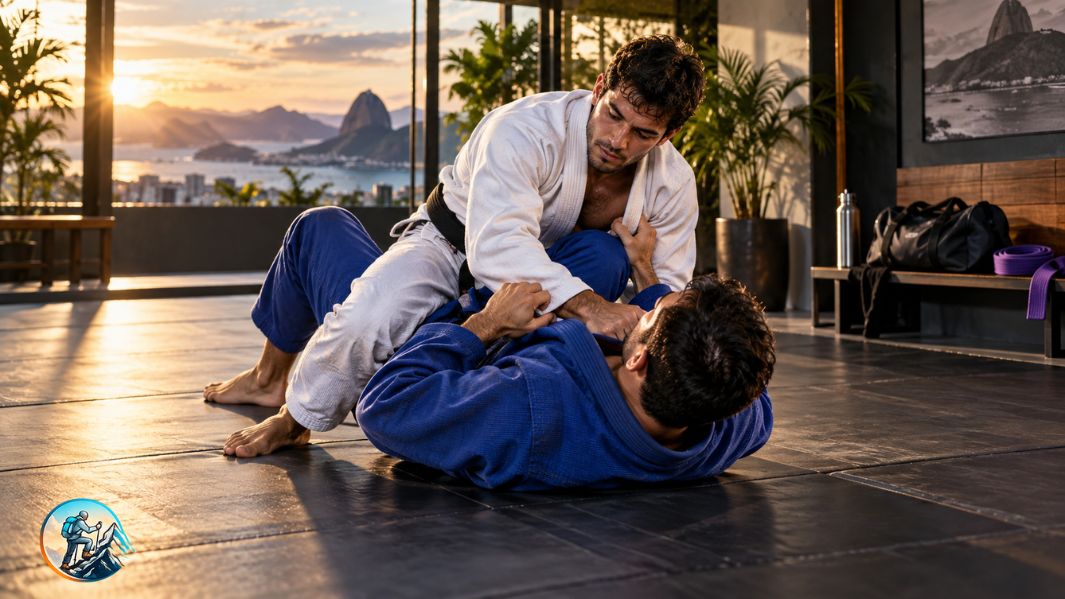
Travel feels different when your suitcase holds training gear and the hope of finding a welcoming mat. For Brazilian Jiu-Jitsu practitioners, a trip can become more than sightseeing. It can be a chance to learn how another academy teaches, meet local grapplers, and experience a city through its martial arts culture. That is the appeal behind BJJ martial arts travel: combining training and discovery without turning the trip into a stressful hunt for classes.
The best approach is simple. Choose your destination, research nearby academies before arrival, confirm whether visitors are accepted, and leave enough space for recovery. A good training trip should enhance your journey, not leave you exhausted to enjoy it.
Why BJJ Martial Arts Travel Appeals to Modern Explorers
Brazilian Jiu-Jitsu suits travelers because its core movements and training structure are recognizable worldwide. You may hear different languages or encounter a different warm-up routine, yet drilling, positional practice, and sparring often create an immediate shared rhythm. For travelers who dislike purely tourist experiences, a local BJJ academy can offer a personal window into the destination.
Training abroad also adds purpose to a trip. Instead of spending every evening in restaurants or hotels, you might attend a class, exchange techniques, then ask teammates where locals actually eat. That connection can turn an ordinary city break into something memorable.
Planning a BJJ Martial Arts Training Stop Before You Fly
Contact the academy before you arrive. Ask about the class schedule, drop-in fees, uniform rules, belt requirements, and whether the session is gi or no-gi. Some gyms welcome spontaneous visitors, while others prefer advance notice. Confirming these details prevents wasted journeys and awkward surprises.
Location matters too. A famous academy may look attractive online, but crossing a huge city during rush hour can consume half your day. Choose a gym near your hotel, public transport, or the neighborhood you already plan to explore. If you train at night, consider the simplest route back to your accommodation.
Keep your schedule realistic. One class during a short city break may be more enjoyable than forcing daily sessions between tours and long walks.
What to Pack for a BJJ Training Trip
Pack light but intelligently. A lightweight gi can save luggage space, while a rash guard and grappling shorts provide a backup for no-gi sessions. Bring sandals for moving around off the mat, a reusable water bottle, toiletries, and a separate bag for sweaty clothing. Clean training gear is not optional; hygiene is part of being a respectful visitor.
If laundry access is uncertain, investigate hotel laundry, nearby laundromats, or same-day services before training. Never pack a damp gi deep inside your suitcase and forget about it. Anyone who has opened that bag later understands why.
For longer trips, two sets of training clothing can make life easier. Comfort matters because sightseeing, flights, and grappling all demand a lot from your body.
Mat Etiquette That Makes Travel Better
Arrive early enough to introduce yourself to the instructor. Explain your belt level honestly, follow the academy’s rules, and observe how students enter the mat and pair up. During sparring, match your partner’s pace rather than treating the visit like a competition.
Good hygiene is essential. Keep nails trimmed, remove jewelry, wear clean gear, and use footwear whenever you step away from the mat. If you feel unwell or notice a suspicious skin problem, skip training. Missing one class is better than creating a problem for an entire academy.
A useful training-room saying is, “Leave your ego at the door.” It is especially valuable when traveling. You are there to learn, connect, and return home with a broader view of Brazilian Jiu-Jitsu, not to collect imaginary victories.
Choosing the Right Destination for Training and Travel
The ideal destination depends on what you want beyond the mat. Some travelers dream of Brazil for its deep connection to Jiu-Jitsu history, while others prefer major cities with strong gym networks, reliable transport, beaches, food, or cultural attractions. Rather than chasing prestige alone, consider class times, neighborhood convenience, climate, budget, and recovery options.
Ask yourself one practical question: Would I still enjoy this destination if I couldn’t train tomorrow? If the answer is yes, you have probably built a balanced trip.
Final Thoughts
BJJ martial arts travel works best when training becomes part of the journey, not the entire journey. Prepare ahead, pack clean gear, respect local academy culture, and give yourself time to explore beyond the mats. The reward is bigger than another class on your training log. You return with new techniques, new conversations, and a destination remembered through people as much as places. For a grappler who loves travel, few experiences feel more satisfying than arriving as a visitor and leaving with familiar faces.
You May Read Also: Discover Northeast Oklahoma Through the 918 area code: Tulsa, Route 66 and Beyond.