

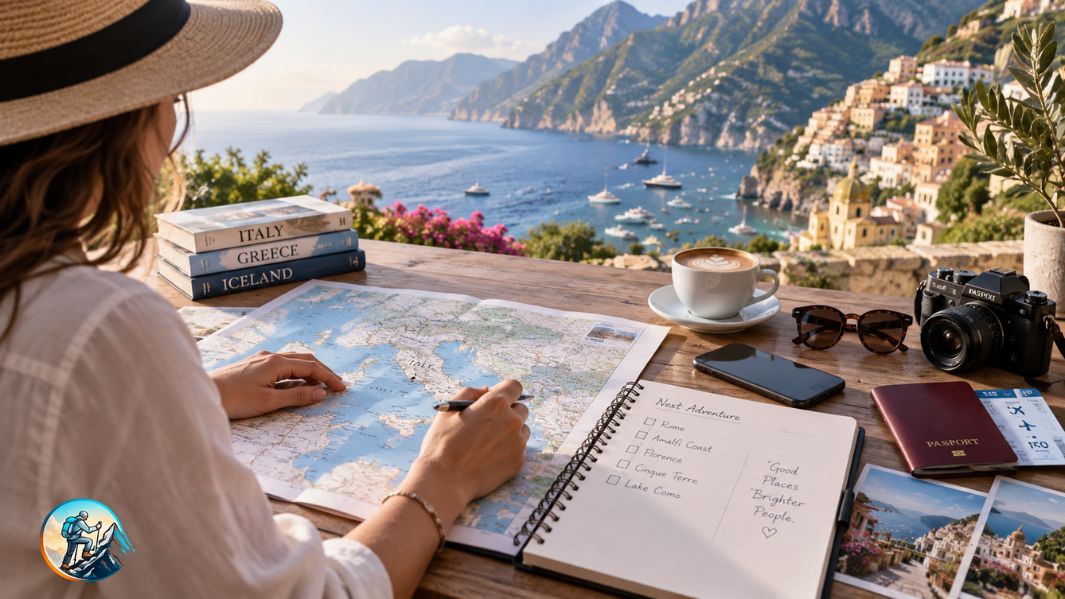
Travel planning often begins with excitement and quickly turns into a maze of tabs, price comparisons, destination lists, packing advice, and conflicting recommendations. Yonopress can be approached as a digital reading resource rather than a destination itself. Its travel coverage sits alongside broader lifestyle and informational content, giving readers ideas that can support the early stages of trip research. The useful way to use any travel publication, however, is not to copy an itinerary unthinkingly. Treat it as a starting point, then verify the details that affect your money, safety, entry requirements, and schedule.
What Yonopress Offers Travelers
Yonopress publishes travel-oriented content on subjects such as affordable vacations, international trip planning, food experiences, outdoor adventures, conservation, and destination inspiration. For a traveler, that mix can be useful when you are still deciding what kind of journey you want. Someone planning a short city break may focus on budget travel, free attractions, and public transportation. At the same time, another reader may be more interested in national parks, local food, or adventure travel.
The biggest benefit is idea generation. A general travel article can remind you to think about seasonality, transport, accommodation, documents, insurance, and daily costs before you book.
How to Use Yonopress for Travel Research
Start with a specific question instead of browsing endlessly. Ask yourself whether you need help choosing a destination, estimating costs, building an itinerary, packing, or understanding a travel style. Then use Yonopress articles to collect ideas and create a shortlist.
For example, if you are considering an international trip, write down the suggested planning categories that matter to you: passport validity, visa requirements, flight prices, hotel costs, travel insurance, local transport, and mobile connectivity. After that, confirm time-sensitive information through official sources before paying for anything. Visa rules, entry conditions, attraction hours, and transport schedules can change, so a travel blog should never be your only source for critical logistics.
Turning Inspiration into a Realistic Travel Plan
A beautiful destination can still be the wrong trip if it does not fit your budget, weather preferences, available time, or comfort level. Decide how much you can spend, how many days you genuinely have, and how much movement you enjoy during a normal day.
Create three budget groups: fixed costs, daily costs, and a reserve. Fixed costs include flights, major train tickets, visas, and pre-booked accommodation. Daily costs include food, local transport, entrance fees, and small purchases. Your reserve is money you avoid touching unless plans change unexpectedly. This approach makes travel budgeting easier because it shows where flexibility actually exists.
Check the Season Before Booking
Season affects more than temperature. It can change hotel rates, crowd levels, daylight hours, road access, and activity availability. Shoulder seasons often offer a useful balance between price and experience, but “off-season” is not automatically better. Heavy rain, extreme heat, closures, or limited transport may reduce the value of a cheaper trip.
Yonopress and Smarter Budget Travel
Budget travel works best when you reduce expensive mistakes rather than chase the absolute lowest price. Compare total costs instead of headline prices. A cheap hotel far from the center may create higher transport costs. A low-cost flight may become less attractive once you add baggage, airport transfers, and inconvenient departure times.
Flexible travelers can often save by adjusting dates, choosing public transport, eating some meals away from major tourist zones, and prioritizing free or low-cost experiences. At the same time, never cut essential spending on safety, required documents, suitable accommodation, or appropriate insurance to make a trip look cheaper.
A Simple Yonopress Travel Checklist
Before you book, confirm your destination, dates, expected weather, passport validity, visa rules, transportation plan, accommodation area, daily budget, insurance needs, and emergency funds. Save copies of important documents and keep essential contact details accessible offline.
During the trip, review spending each day and leave room in your itinerary for rest. Overplanning can make a holiday feel like a race. One travel idea I return to often is: “A good journey leaves space for surprise.” The best memories are often the café you didn’t plan, the street you wandered into, or the extra hour you spent somewhere that felt right.
Final Thoughts
Yonopress can serve as an inspiration and planning resource for travelers who want straightforward ideas on budgeting, international trips, food, nature, and practical preparation. Its strongest role is at the research stage, where broad guides can help you identify questions you may not have considered.
Use those ideas to build a plan that matches your budget, pace, and priorities, then confirm details as they change before departure. Good travel planning is not about controlling every minute. It is about removing avoidable problems so you can be more present when the journey begins.
You May Read Also: A Timeless Adriatic Escape: Kotora Melnkalne Travel Guide