

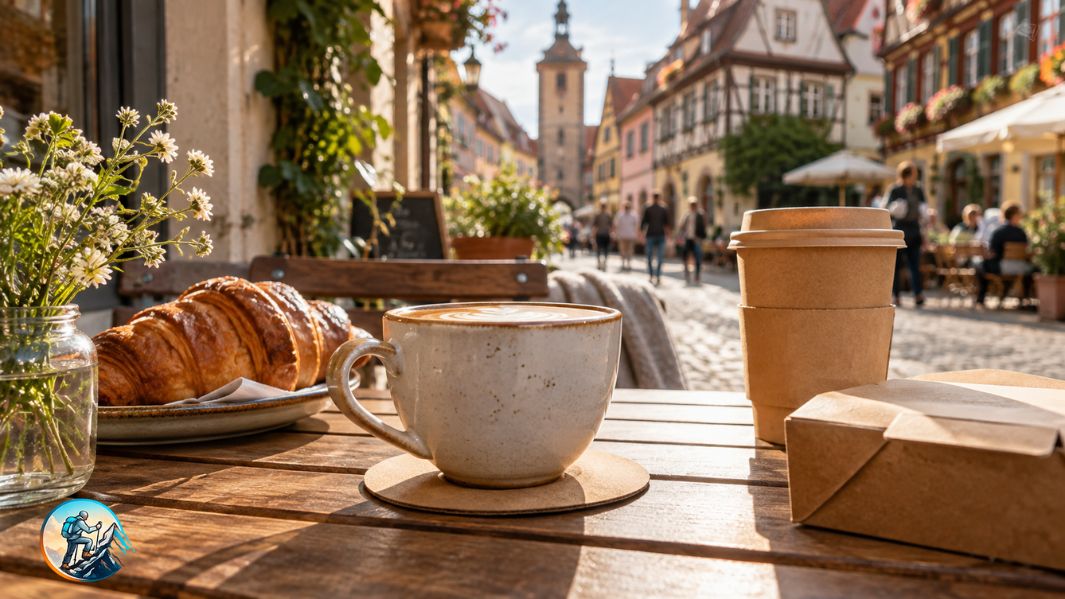
Travel is often remembered through landmarks, but some revealing details are much smaller. The German word pappedeckel is a good example. It relates to cardboard or paperboard and can describe a stiff board, a cover, or a cardboard item. For travelers, that meaning becomes useful in cafés, bakeries, markets, takeaway counters, and everyday conversations. You may notice cardboard drink coasters, food covers, cup sleeves, boxes, or other practical items that reflect local habits around convenience, cleanliness, and waste. Learning the word gives you more than vocabulary; it gives you a reason to notice the ordinary objects that make a destination feel real.
Why pappedeckel Matters to Curious Travelers
A trip becomes more interesting when you understand the little words locals use. In standard German, related forms such as Pappdeckel and Pappendeckel refer to cardboard or a piece of it, while regional speech may vary. You do not need to memorize linguistic rules before your journey. Simply recognizing the term can help when you are ordering at a German café, browsing a local market, or reading packaging instructions. You may see it on paperboard packaging, in drink service, or on simple protective covers. That makes pappedeckel less of a sightseeing attraction and more of a cultural clue connected to objects travelers handle every day.
Spotting pappedeckel in Cafés, Markets, and Food Stops
Imagine standing at a bakery in Munich, Freiburg, Basel, or another German-speaking city. You order coffee, pick up a pastry, and receive everything in lightweight packaging. A small cardboard piece beneath a drink, over a container, or around a takeaway item might fit the broad idea behind pappedeckel. Similar materials are common at street-food stalls, seasonal markets, station bakeries, and casual lunch counters. The exact object can differ, so context matters. Instead of assuming the word always means “lid,” think of it as a cardboard-related term whose meaning depends on what you are holding, covering, carrying, or protecting.
A Sustainable Travel Lesson Hidden in Cardboard
Travelers increasingly notice how destinations manage waste. Cardboard and paperboard can feel more environmentally friendly than plastic, but responsible disposal still depends on coatings, food residue, and local recycling rules. When you encounter sustainable packaging, check bin labels rather than guessing. Clean paperboard may belong with paper recycling, while greasy or laminated material may require another waste stream. A pappedeckel can remind you that sustainable travel isn’t only about trains and reusable bottles; it is also about thoughtful choices with everyday waste. That small awareness can improve everyday travel.
How to Handle Pappedeckel While Traveling
The easiest approach is simple: use the item as intended, keep it clean when possible, and follow local disposal signs. If you are carrying snacks on a rail journey, a firm cardboard cover can help protect food inside your bag. If you receive a cardboard coaster at a café, leave it with the tableware unless the venue clearly treats it as disposable. At outdoor markets, ask staff where packaging should go if the bins are confusing. Useful habits include carrying a reusable cup, packing a cloth tote, avoiding unnecessary single-use extras, and keeping food packaging separate from clean paper until you find the correct bin.
Is pappedeckel Something You Should Buy as a Souvenir?
Usually, no. The charm of pappedeckel is not that it is a must-buy travel product; it is that it helps you notice local language and everyday design. However, printed cardboard coasters from breweries, cafés, festivals, or cultural events can become inexpensive keepsakes when taking them is clearly allowed. For travelers who collect small objects rather than expensive souvenirs, this can be a personal way to remember a place. Always avoid taking reusable items that belong to a business.
Practical Language Tips for Your Trip
Do not worry if your pronunciation is imperfect. In travel, context usually does most of the work. If you are unsure what a cardboard item is called, pointing politely and asking “Was ist das?” can start a friendly exchange. You may hear different words depending on the region, the object, and the speaker. German travel vocabulary becomes easier when attached to real experiences: ordering coffee, recycling packaging, buying food, or chatting with a vendor.
A Small Word Worth Noticing
The best journeys train you to look closely. pappedeckel may seem like an oddly specific keyword, yet it opens a door into language, everyday materials, café culture, and responsible travel. “The smallest details often tell you the most about a place.” Keep that thought with you the next time you sit at a bakery table or wander through a market. You may discover that the humble piece of cardboard in your hand carries a lesson about how people eat, speak, reuse, recycle, and move through daily life.
You May Read Also: Travel With an Open Mind: Gayfirir and the New Language of Identity on the Road