
Adventure Travel
Freedom on Four Wheels: Why Véhicule Recreatif Travel Changes the Way You Explore

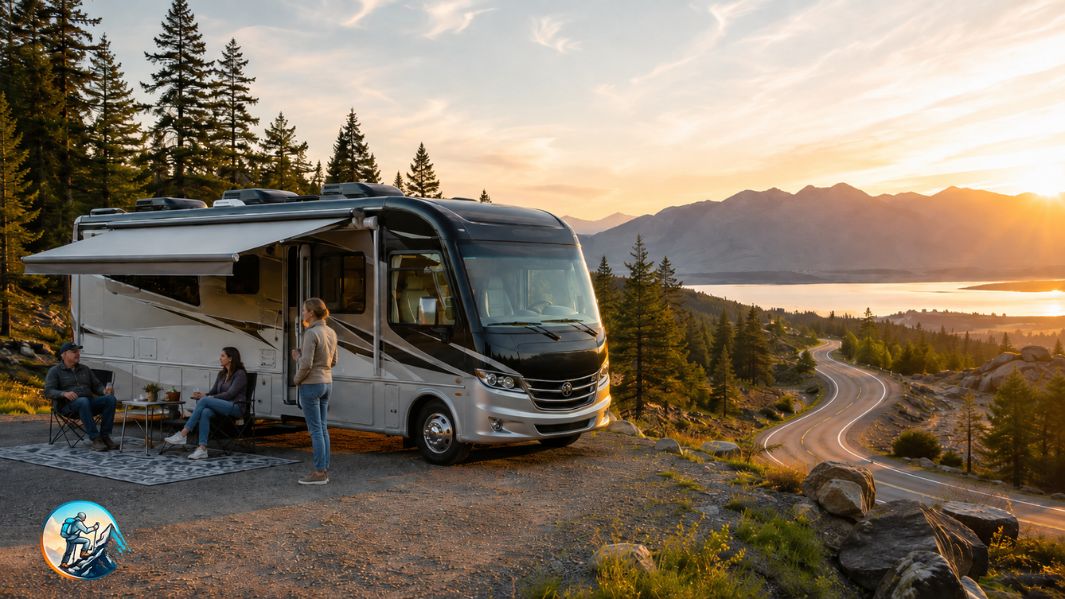
For travelers who value freedom over fixed schedules, a Véhicule Recreatif can reshape the idea of a holiday. Instead of moving between airports, hotels, and rigid check-in times, you carry your sleeping space, kitchen, storage, and daily routine with you. That flexibility is especially attractive for scenic road trips, national parks, coastal routes, and slow travel through small towns that are often missed on traditional itineraries. I have always found that road travel feels more personal when the journey itself becomes part of the destination. With a recreational vehicle, an unexpected viewpoint, quiet lake, or countryside market can become the highlight of the day rather than a quick stop before returning to a hotel. It also encourages a slower rhythm that many travelers appreciate after years of rushed city breaks. Morning coffee can happen beside a forest, lunch beside a river, and dinner near the next destination, creating a sense of continuity that hotel stays rarely provide.
Why Véhicule Recreatif Travel Appeals to Modern Explorers
The strongest advantage of RV travel is control. You decide when to leave, where to pause, how long to stay, and what kind of landscape you want outside your window in the morning. A motorhome or campervan can reduce the pressure of constantly packing and unpacking, while also giving families, couples, and solo travelers a familiar base. It can also support budget planning by allowing travelers to prepare meals, carry supplies, and choose between full-service campgrounds and simpler overnight stops. However, this style of travel is not automatically cheap. Fuel, campsite fees, tolls, vehicle rental, insurance, and maintenance can add up, so a realistic travel budget matters.
Choosing the Right Type of Vehicle
Not every recreational vehicle suits every trip. Large motorhomes provide generous living space, larger kitchens, bathrooms, and storage, but they require more confidence on narrow roads and in busy towns. Campervans are easier to park and often more fuel-efficient, although interior space is limited. Towable caravans allow travelers to leave their accommodation at a campsite and explore nearby areas with a separate car. The best choice depends on your route, group size, driving comfort, and how much time you expect to spend inside the vehicle.
How to Plan a Véhicule Recreatif Road Trip
Successful road trips begin with a flexible structure rather than a minute-by-minute schedule. Mark your main destinations first, then identify realistic driving distances between them. Avoid turning every day into a long highway session. A route that looks easy on a map may feel exhausting once you factor in mountain roads, traffic, fuel stops, grocery runs, and campsite check-ins.
Parking, Campsites, and Overnight Rules
Before arriving anywhere, confirm whether overnight parking is allowed. Rules vary by country, city, protected area, and private car park. Designated campgrounds usually provide the safest and most comfortable option, particularly when you need electricity, fresh water, waste disposal, or showers. During popular holiday periods, booking campgrounds in advance can prevent stressful last-minute searching. At quieter times, leaving some nights unplanned can preserve the spontaneity that makes RV travel special.
Essential Practical Tips for First-Time Travelers
Pack lighter than you think you need. Extra equipment takes up space and makes the vehicle harder to organize. Prioritize a compact cooking kit, reusable water containers, basic tools, weather-appropriate clothing, charging cables, a first-aid kit, and simple cleaning supplies. Learn how the water, electricity, heating, toilet, and waste systems work before departure. A short practice drive is also worthwhile, especially if the vehicle is wider or taller than your normal car.
Comfort, Safety, and Responsible Travel
Good RV travel is as much about responsibility as adventure. Respect campsite quiet hours, dispose of wastewater correctly, avoid blocking local streets, and keep natural areas clean. Watch the vehicle’s height restrictions when entering car parks, tunnels, and older streets. Secure loose objects before driving and keep valuables out of sight when parked. Small habits protect both your trip and the communities you visit.
“Travel is not only about how far you go, but how fully you notice the road along the way.” That idea suits recreational travel perfectly. Slower journeys create room for conversations, roadside discoveries, sunrise breakfasts, and unplanned detours that rarely fit into conventional tourism.
Making the Journey Worth Remembering
A Véhicule Recreatif is not simply transportation; it is a mobile way of experiencing places at your own pace. The best trips balance planning with freedom, comfort with simplicity, and adventure with respect for local rules. Choose a vehicle that fits your needs, build a route that leaves breathing room, and prepare for the practical realities of life on the road. Do that well, and your journey can feel less like moving between attractions and more like genuinely living inside the landscape you came to explore.
You May Read Also: A Quiet Escape Near Ljubljana: Discovering Jablje and Its Castle Heritage

i m m e d: The Surprising Meaning, Uses, and Importance of This Abbreviation

Rise Broadband: The Ultimate Guide to Reliable Internet, Plans, Speeds, and Benefits in 2026

PMV Explained: Essential Meanings, Uses, and Real-World Examples

FASB Staff Position: Essential Guide to Its Purpose, Importance, and Impact on Accounting

Samara Zane: The Remarkable Story of Lorraine Toussaint’s Daughter, Family Life and Background

Beau Laughlin: The Remarkable Career, Marriage, and Inspiring Success Story of Lindsey Gort’s Husband

Michael Rabe: The Remarkable Journey of Lily Rabe’s Talented Brother and Playwright

Sulina Frost: A Closer Look at Adam Frost’s Wife, Family Life and Business Career

Sam Handel: Inside His Creative Career, Family Life, and Marriage to Lauren Ambrose

Naples travel guide: discover art, history and panoramic views
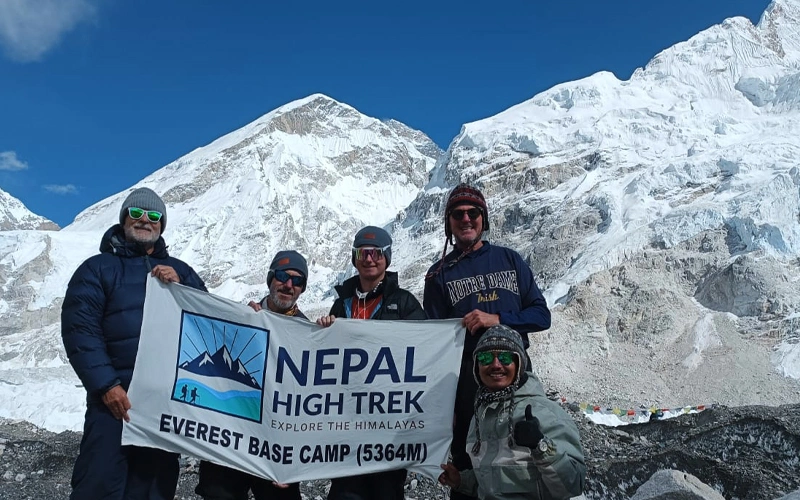
Everest Base Camp Trek vs Manaslu Circuit Trek: Routes, Difficulty, Costs, Altitude and Mountain Experience

Classroom 15x: The Ultimate Guide to Free Online Games, Features, Benefits, and Safe Gaming

Crackstube Explained: A Complete Guide to Its Features, Content, Safety, and Digital Publishing Platform

Startup Booted Fundraising Strategy: A Powerful Guide to Smart Funding and Sustainable Business Growth

Provascin: A Complete Guide to Its Ingredients, Potential Benefits, Uses, and Safety

Jeremy Yaffe: The Remarkable Untold Story of Alan Arkin’s First Wife and Her Life Beyond Hollywood

How Dental Implant Quotes Are Built: A Practical Cost Guide for Maple Grove, Minnesota

HMJones.net Explained: A Complete Guide to Business Loans, Funding Options, and Smarter Financial Decisions

ABS Testauslösung: Bedeutung, Funktion, häufige Fehler und wichtige Sicherheitstipps

Pedal And Post Collapse: The Shocking Closure of Oxford’s Pioneering Green Delivery Company
i m m e d: The Surprising Meaning, Uses, and Importance of This Abbreviation
Rise Broadband: The Ultimate Guide to Reliable Internet, Plans, Speeds, and Benefits in 2026
PMV Explained: Essential Meanings, Uses, and Real-World Examples
FASB Staff Position: Essential Guide to Its Purpose, Importance, and Impact on Accounting
Samara Zane: The Remarkable Story of Lorraine Toussaint’s Daughter, Family Life and Background
Beau Laughlin: The Remarkable Career, Marriage, and Inspiring Success Story of Lindsey Gort’s Husband
Michael Rabe: The Remarkable Journey of Lily Rabe’s Talented Brother and Playwright
Sulina Frost: A Closer Look at Adam Frost’s Wife, Family Life and Business Career
Sam Handel: Inside His Creative Career, Family Life, and Marriage to Lauren Ambrose
Naples travel guide: discover art, history and panoramic views
-
 Blog3 months ago
Beyond the Cages: How an Artificial Zoo Could Redefine Wildlife Travel
-
 Destination Guides3 months ago
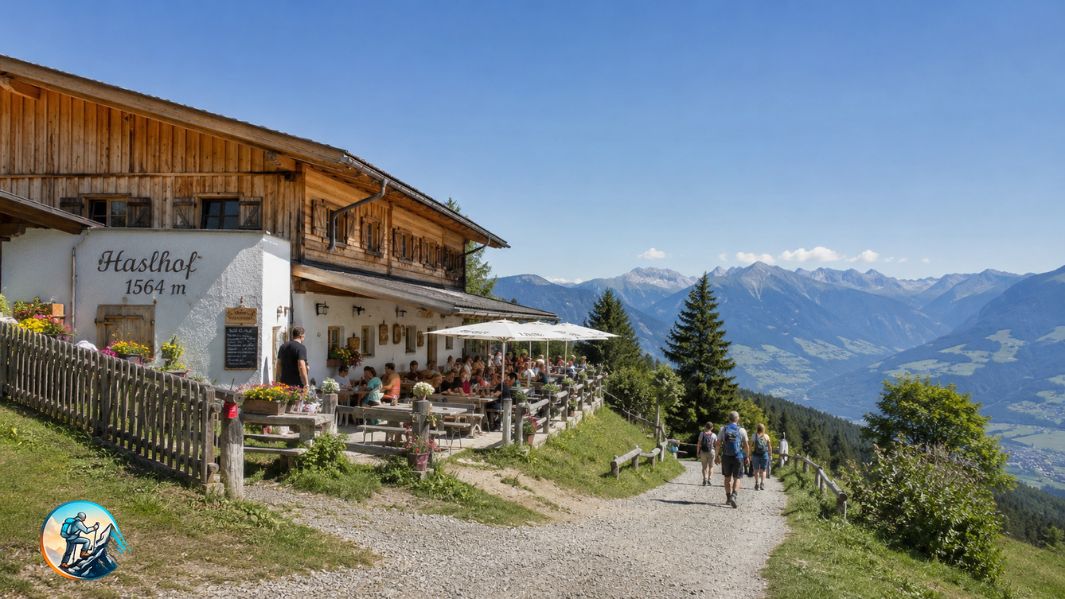
Beyond the Map: Discovering Haslhof in Italy and Bavaria
-
Adventure Travel3 weeks ago
Everest Base Camp Trek vs Manaslu Circuit Trek: Routes, Difficulty, Costs, Altitude and Mountain Experience
-
 Entertainment2 weeks ago
Classroom 15x: The Ultimate Guide to Free Online Games, Features, Benefits, and Safe Gaming