

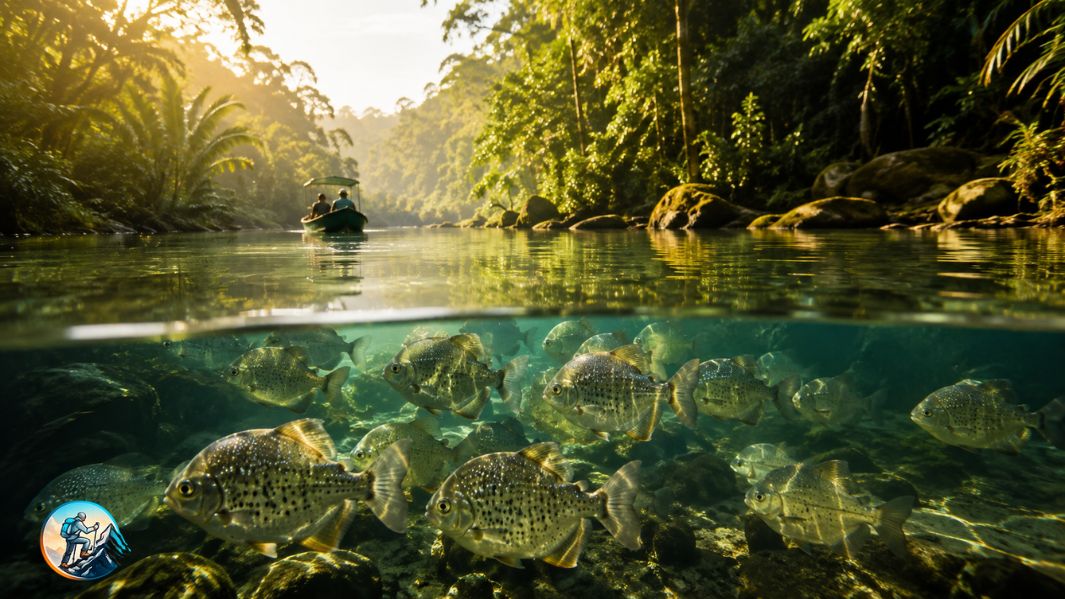
Travelers often arrive in the Amazon expecting monkeys, macaws, caimans, and enormous river fish, yet some of the region’s most memorable discoveries are quieter. Spotted Silver, a phrase commonly associated with the spotted silver dollar fish, offers a theme for exploring waterways and flooded forests in northern South America. Instead of treating the keyword as a single destination, think of it as an invitation to slow down and notice the details of river life. For nature-minded travelers, that shift can transform a boat trip into an adventure.
Why Spotted Silver Belongs on a Wildlife Traveler’s Radar
The appeal of Spotted Silver is not about chasing a landmark. It is about entering freshwater environments where biodiversity becomes the attraction. Amazonian river systems support a range of aquatic life, and local guides can help visitors understand how fish, plants, birds, insects, and seasonal water levels connect. A trip built around the Amazon River ecosystems, freshwater biodiversity, and responsible nature tourism feels more immersive than checking off animals on a list.
If you hope to see unusual fish or learn about them, choose excursions focused on natural history rather than sightseeing. Smaller boats, early departures, and knowledgeable guides create better opportunities for observation. I would choose a patient guide who explains the ecosystem over a rushed tour promising guaranteed sightings.
Where Spotted Silver Fits Into an Amazon Adventure
Spotted Silver works best as a travel theme when visiting river regions connected with the Amazon basin and the Guianas. The spotted silver dollar is associated with tropical freshwater habitats, so travelers should think in terms of river journeys, tributaries, forest lodges, and wildlife excursions rather than one viewing point. Conditions change with rainfall, season, water clarity, and local ecology, so ethical operators should not promise a particular wild animal on demand.
“The forest shows you what it wants you to see” is a good mindset for any wildlife journey. You may set out thinking about one fish and return talking about pink skies over the river, kingfishers on low branches, or insects after sunset.
Planning a Spotted Silver Inspired River Trip
Start by choosing a reputable base with access to waterways and natural forest. Look for eco-lodges, community-led tours, small-group river excursions, and guides who explain wildlife without feeding, handling, or disturbing it. Ask how long you will spend on the water, whether life jackets are provided, and how weather changes are handled.
Pack breathable clothing, a rain layer, insect protection, a refillable water bottle, binoculars, and a dry bag for electronics. Polarized sunglasses can reduce glare and make river observation easier. A small zoom camera helps when wildlife stays at a respectful distance.
Best Time to Explore Spotted Silver Habitats
No single month is perfect because Amazon travel shifts between wetter and drier periods. Higher-water seasons can open flooded forest channels, while lower-water periods may expose banks and concentrate activity elsewhere. Your best choice depends on whether you prioritize boating, hiking, photography, birding, or aquatic wildlife.
Before booking, ask your lodge or operator what conditions are typical during your dates. This is more useful than relying on a generic “best season” claim. River levels can shape routes, and flexibility matters.
How to Travel Responsibly Around Freshwater Wildlife
Responsible travel is simple: observe more and interfere less. Do not remove fish, plants, shells, or other natural objects. Avoid tours that encourage touching wildlife or staging close encounters for photographs. Keep noise levels low near animals, follow the guide’s instructions, and support businesses that employ residents.
Choosing locally run services can make your trip more meaningful. Conversations with boat drivers, naturalists, cooks, and community hosts often reveal more about the landscape than any quick checklist. Sustainable tourism works best when visitors spend money in ways that support people who know and protect the environment.
Practical Answers for First-Time Visitors
If you are wondering whether this trip suits children, photographers, or casual travelers, the answer depends on the itinerary. Calm river cruises can suit people of all ages, while humid hikes and long transfers may be tiring. Photographers should protect equipment from moisture. Families should ask about boat safety, medical access, and journey lengths before booking.
You do not need to be a fish expert. Curiosity is enough. Learning a few species names can deepen the experience, but the reward comes from understanding the river as a living system.
Conclusion: Let Spotted Silver Lead You Somewhere Wilder
Spotted Silver may begin as an unusual search term, but it can become a doorway into a richer style of travel. Follow it toward tropical rivers, knowledgeable local guides, patient wildlife watching, and journeys where small discoveries matter. The best Amazon memories are rarely scheduled perfectly. They happen when the boat slows, everyone grows quiet, and something unexpected flashes beneath the water.
You May Read Also: Travel Differently with Pravi Celer: A Smarter Guide to Meaningful Luxury Journeys