

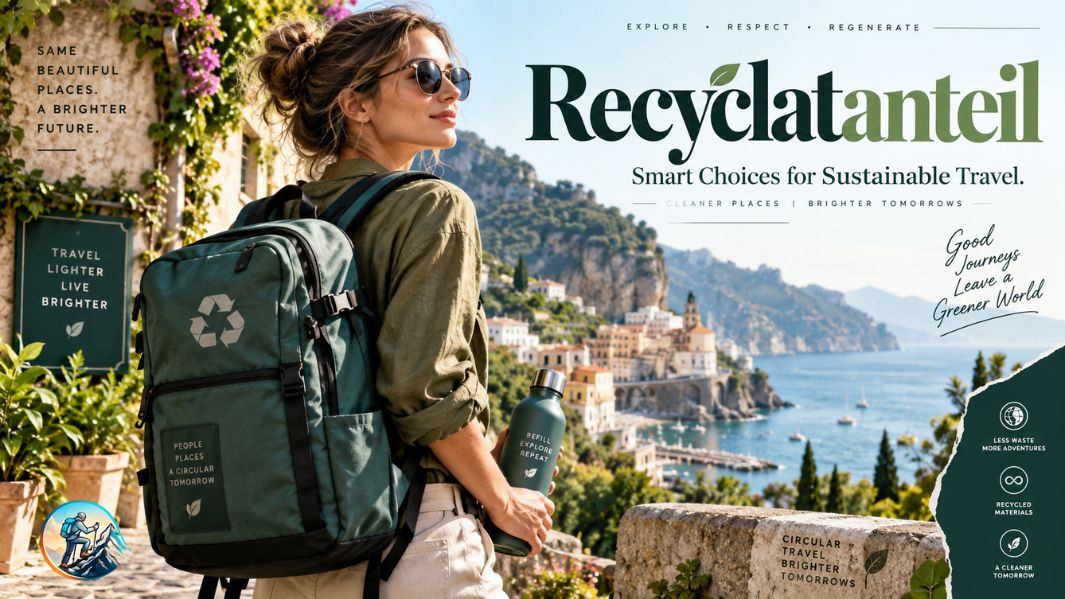
Travelers often think sustainability begins with choosing a train instead of a short flight, but another detail deserves attention: the materials inside the products we carry. Recyclatanteil is a German term describing the share of recycled material used in a product or package. For travelers, that matters because luggage, bottles, toiletries, and outdoor gear can contain recycled material. Looking beyond vague “green” claims can help you make smarter choices without turning a holiday into an environmental audit. A few habits can make sustainable travel feel natural.
Why Recyclatanteil Matters for Modern Travelers
A higher Recyclatanteil generally means that a larger portion of a product comes from previously used materials rather than from entirely new raw materials. That does not automatically make every item the best environmental choice, because durability and end-of-life recycling also matter. Still, recycled content gives travelers a useful clue when comparing products. A suitcase made partly from recycled plastic, a jacket made with recycled fibers, or a bottle containing post-consumer plastic may reduce demand for virgin materials. Treat Recyclatanteil as one part of a wider circular economy mindset: buy less, choose durable items, reuse what you own, and replace products only when necessary.
Recyclatanteil in Everyday Travel Gear
The easiest place to notice Recyclatanteil is on packaging or product labels. Before buying a backpack, toiletry bottle, rain jacket, picnic container, or travel organizer, check whether the manufacturer states a percentage of recycled content. A clear percentage is more useful than phrases such as “eco-conscious” or “planet friendly.” A durable item with moderate recycled content can be a better travel companion than a flimsy product with impressive sustainability wording but a short life.
Building a Low-Waste Packing Routine
Packing well is one of the easiest ways to reduce waste while traveling. Start with a refillable bottle, reusable food container, cloth shopping bag, and refillable toiletry containers. These items can prevent repeated purchases of single-use packaging during a trip. If you are replacing worn travel gear, consider recycled-content options rather than buying extra products merely because they sound green. My rule is simple: “Travel farther, waste less, and notice more.” It keeps sustainability connected to the experience rather than turning it into a checklist.
A low-waste routine also helps with practical travel problems. Refillable containers reduce the need to search for small toiletries after arrival, while a reusable bag is useful for markets, groceries, wet clothes, or beach items. Check local waste signs, separate materials when facilities are provided, and avoid assuming every plastic-looking package belongs in the same bin. Recycling labels vary between regions, so local instructions should take priority.
Choosing Accommodation and Transport More Thoughtfully
Recyclatanteil isn’t only relevant to what you pack. Hotels and tour companies increasingly claim to reduce waste and use recycled materials. When booking, look for specific practices rather than decorative sustainability language. Does the property refill soap dispensers? Are recycling points clearly marked? Does it use reusable breakfast ware? These details can support responsible tourism and reveal whether sustainability is built into daily operations.
Transport choices matter too. Walking, cycling, shared transport, trains, and public transit can reduce resource-intensive travel around a destination. Renting gear rather than buying it for a single trip follows the same logic. Renting equipment may avoid unnecessary consumption entirely.
Practical Questions Travelers Often Ask
Is a Higher Recyclatanteil Always Better?
Not automatically. A higher percentage of recycled material is useful information, but consider durability, safety, repairability, weight, and whether the product can be recycled again. For travel gear, longevity matters because replacing broken items often creates more waste and costs more.
How Can I Spot Greenwashing?
Look for numbers, material details, relevant certifications, and clear explanations. Be cautious when a product uses only vague environmental language. If a brand highlights recycled packaging but says nothing about the product itself, read the label carefully before assuming the whole item has high recycled content.
What Is the Easiest First Step?
Use what you already own. When something genuinely needs replacing, compare durability, recycled content, and reuse potential. This saves money, reduces clutter, and makes low-waste travel realistic.
A Better Way to Explore
Recyclatanteil may sound technical, yet its travel lesson is simple: pay attention to what things are made from and how long they will serve you. Sustainable journeys are rarely created by one perfect purchase. They come from sensible decisions—refilling a bottle, carrying a reusable bag, choosing durable gear, following local recycling rules, using public transport, and avoiding unnecessary replacements. When travelers combine curiosity with thoughtful consumption, the journey feels lighter in more ways than one. The goal is not to travel without impact; it is to travel with greater awareness, better choices, and respect for the places we are fortunate enough to experience.
You May Read Also: A Small Country with Big Surprises: Best Places to Visit in Luxembourg