

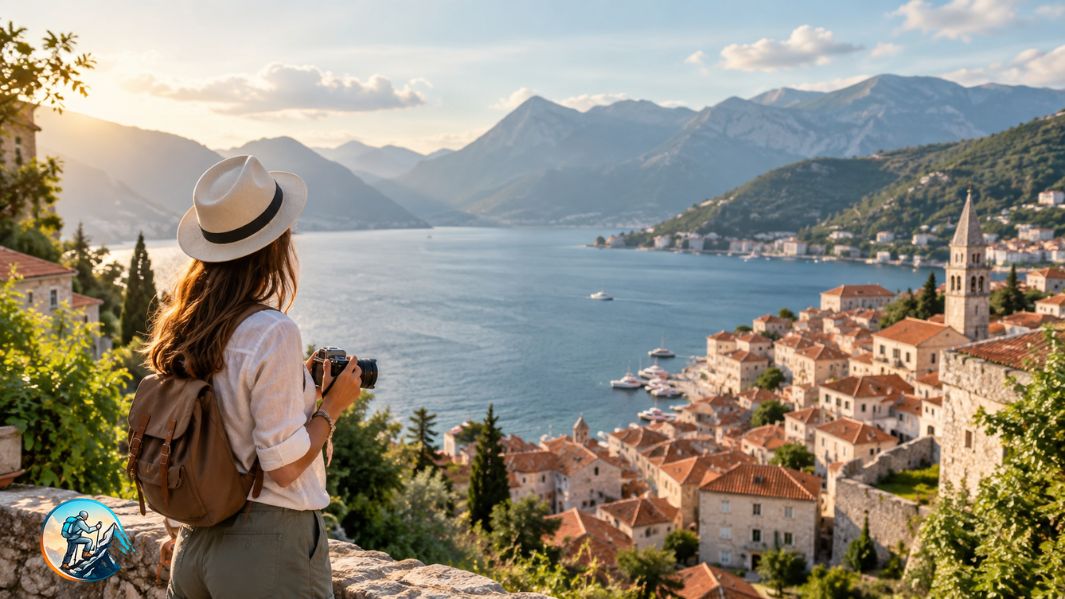
Travel is usually sold as a collection of destinations, photographs, hotel bookings, and famous landmarks. Messonde offers a more thoughtful way to look at the same journey. Rather than treating it as a place on a map, travelers can use Messonde as an idea: a reminder to explore with purpose, curiosity, and patience. The most memorable trips are shaped by how closely you observe, how respectfully you meet people, and how willing you are to leave room for surprise. For anyone tired of rushing through crowded itineraries, this mindset can make travel personal again.
What Messonde Means for Modern Travelers
In travel, Messonde works best as a philosophy of intentional exploration. It encourages travelers to move beyond checklist tourism and notice the texture of a place: its daily rhythms, neighborhood cafés, public spaces, landscapes, conversations. Good travel still depends on practical choices about transport, accommodation, weather, safety, and budget. The plan becomes a framework, not a cage. You know where you are going, but you leave enough space to discover why the journey matters.
How Messonde Can Shape a Better Journey
The easiest way to practice Messonde is to build flexibility into your itinerary. Instead of scheduling every hour, choose one or two anchors each day and leave the rest open. A museum visit, coastal walk, historic district, market, or scenic train ride can provide structure, while unplanned hours allow for slow travel and spontaneous discovery. This helps in unfamiliar cities. My planning rule is simple: protect the essentials, loosen everything else. A trip should have direction without feeling like a race.
Planning a Messonde-Inspired Trip
Start with questions, not a long attraction list. What do you actually want from the journey? Rest, food, architecture, nature, history, photography, cultural exchange, or simply time away from routine? Once the purpose is clear, choose destinations and activities that support it. A traveler interested in local culture may gain more from a neighborhood food market and community museum than from three famous landmarks in one afternoon. Someone seeking nature may prefer fewer hotel changes and longer stays near hiking routes or quiet countryside.
Research entry rules, weather, local transport, payment methods, mobile connectivity, and common tourist scams before departure. Keep digital and offline copies of important travel information, avoid carrying unnecessary valuables, and learn a few courteous phrases in the local language. These habits create the confidence needed to explore responsibly.
Messonde and Responsible Travel Choices
Curiosity works best when paired with respect. A Messonde-style traveler does not treat communities as scenery. Ask before photographing people, follow local dress expectations where appropriate, support locally owned businesses when practical, and avoid experiences that exploit wildlife, workers, or cultural traditions. Responsible tourism is not about traveling perfectly. It is about noticing the impact of your choices and adjusting when better options are available.
The same principle applies to environmental decisions. Walking, public transportation, trains, refillable water bottles where the water is safe to refill, and longer stays in fewer places can reduce waste while improving the quality of the trip. Moving more slowly gives you time to understand a destination instead of simply passing through it.
Solving Common Travel Problems With the Messonde Mindset
Travel rarely unfolds exactly as planned. Trains are delayed, rain arrives, restaurants close, rooms disappoint, and popular attractions become overcrowded. Messonde turns these moments into prompts to adapt. If bad weather cancels an outdoor day, look for a local gallery, food hall, historic interior, workshop, or café district. If a famous site is packed, explore nearby streets rather than spending hours in a queue. If your budget tightens, prioritize free walking routes, parks, markets, and public viewpoints.
This doesn’t mean romanticizing real problems. Safety concerns, illness, lost documents, or severe weather require practical action first. This mindset helps with ordinary uncertainty, not ignoring risk. The goal is flexible travel planning: knowing when to improvise and when to follow the safest available option.
Why Messonde Matters More Than Another Bucket List
Travel culture can pressure you to collect places quickly, but meaningful journeys don’t need impressive statistics. One destination explored with attention can be richer than five visited in a blur. Messonde offers permission to travel at a human pace, notice what is around you, and return home with more than photographs.
A simple line captures the spirit: “A good journey changes the way you look, not just the place you look at.” That is the value of Messonde. It turns travel from a race between landmarks into a practice of mindful discovery. Plan carefully, stay curious, respect the places you enter, and leave room for the unexpected. The world does not become smaller when you travel this way; it becomes deeper.
You May Read Also: A Smarter Way to Plan Your Next Escape with tozymagazine.com