

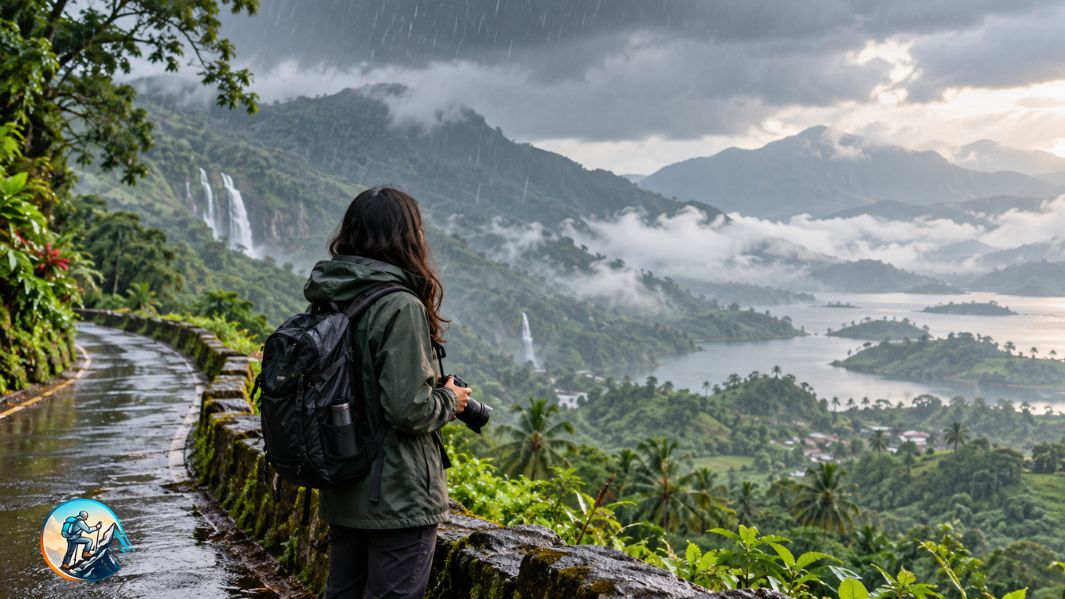
Travel during the rainy season can be unforgettable, but only when preparation keeps pace with the weather. CJMonsoon works best as a travel-planning idea rather than a fixed destination: a way to think about seasonal conditions, sudden rain, transport delays, comfort, and safety before setting out. For travelers heading through South Asia or any region shaped by heavy seasonal rainfall, that mindset can turn an uncertain trip into a rewarding one. Rainy destinations can feel more alive—green landscapes deepen in color, waterfalls swell, streets change rhythm, and popular places may feel refreshingly uncrowded. The key is respecting the season instead of fighting it.
Why CJMonsoon Matters for Seasonal Travel Planning
The most useful way to approach CJMonsoon is through monsoon travel planning. Rain changes more than sightseeing. It can affect road conditions, domestic flights, ferry services, mountain trails, beach access, power supply, and travel time between places. Travelers should check the local weather forecast, understand whether their destination faces flooding or landslides, and build extra time into transfer days.
A flexible itinerary is more valuable than a tightly packed schedule. Instead of planning five activities in one day, choose two priorities and keep an indoor alternative ready. Museums, cafés, covered markets, historic buildings, cooking classes, spas, and cultural performances can save a wet afternoon without making the day feel wasted. This approach also makes the trip less stressful because weather changes become part of the experience rather than a disruption.
CJMonsoon Packing Advice for Rainy Destinations
For most rainy-season travel, light and quick-drying clothing is more practical than heavy fabric. A breathable waterproof jacket, compact umbrella, waterproof phone pouch, dry bag, spare socks, and shoes with dependable grip should sit near the top of the packing list. Electronics deserve special attention because humidity can be as troublesome as rainfall. Keep chargers, passports, medication, and important documents inside sealed pouches.
I also recommend carrying a small towel and an extra layer in your day bag. Air-conditioned buses, trains, hotels, and airports can feel surprisingly cold after being outside in warm rain. A thoughtful monsoon packing list doesn’t need to be bulky; it just needs to protect items that would be hard to replace.
How to Travel Safely During Heavy Rain
The biggest mistake is treating severe rain like ordinary bad weather. If local authorities issue flood, storm, landslide, or road-closure warnings, adjust the plan. Avoid walking or driving through moving floodwater, and do not assume a familiar-looking road is safe when visibility is poor. In hill regions, prolonged rainfall may make scenic routes and trekking paths unstable.
Transport choices matter too. Use reputable operators, allow generous connection times, and keep accommodation details available offline. When possible, arrive at unfamiliar destinations during daylight, especially after storms. Travel safety in monsoon season is mostly about making conservative decisions early, not solving avoidable problems later.
What Is the Best Time of Day for CJMonsoon Travel?
There is no universal answer because rainfall patterns differ by region, but morning departures are often practical. They give travelers more daylight to respond to delays and reduce the chance of arriving somewhere new after dark. The smartest habit is to check the forecast shortly before leaving rather than relying only on the previous night’s prediction.
For outdoor plans, keep the first part of the day flexible. If conditions are clear, use that window for viewpoints, walking tours, beaches, or short hikes. Save indoor attractions for heavier rain. This simple weather-aware itinerary can make a trip feel more efficient.
Finding the Beauty in Monsoon Travel
Rain has its own atmosphere. Rice fields shine, forests become lush, waterfalls gain energy, and cities reveal a slower, more intimate side. Photographers often love the softer light and reflections after a storm. Food can feel more memorable too; a hot local meal or cup of tea feels extra comforting when rain taps against the windows.
Still, responsible travel matters. Avoid damaging muddy trails, do not pressure guides to continue in unsafe conditions, and support local businesses affected by seasonal slowdowns. The best journeys balance curiosity with restraint. A personal rule I like is: “Respect the weather, and the journey usually respects you back.”
Final Thoughts on CJMonsoon Travel
CJMonsoon can help you frame travel around seasonal awareness, flexibility, and practical preparation. The goal is not to chase storms or romanticize dangerous weather. It is about understanding how rainfall changes a destination and traveling accordingly.
Pack smart, watch local conditions, keep backup plans, and give yourself more time than usual. With that approach, monsoon destinations can offer landscapes, quieter experiences, and memorable moments. Rain does not have to cancel an adventure; sometimes it simply asks you to travel differently.
You May Read Also: A Smarter Journey with troozer com: Using Online Travel Content Without Losing Your Way