

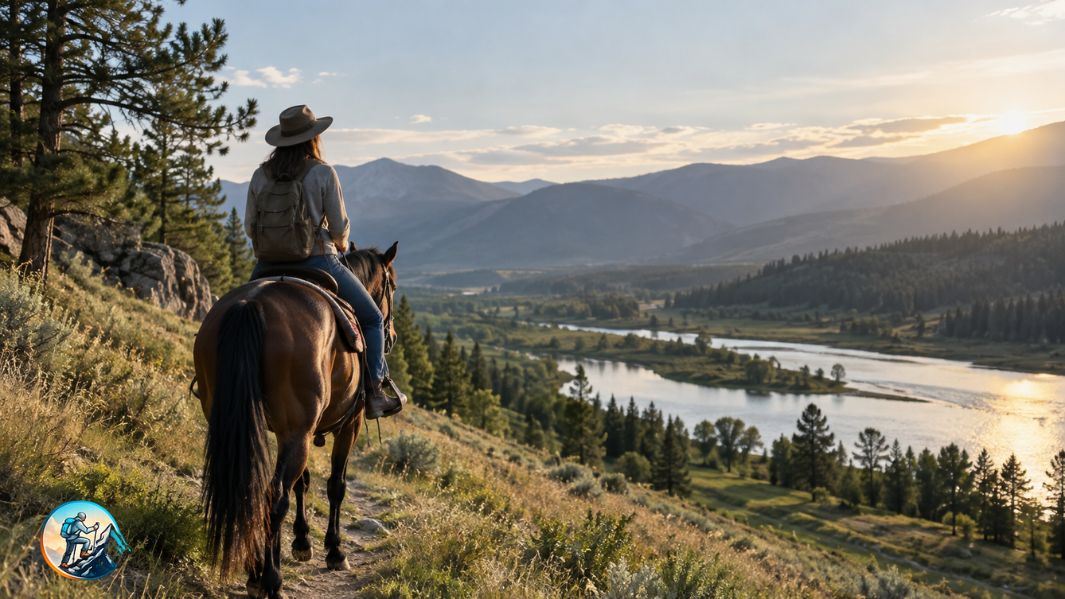
Travel often becomes a race: arrive, photograph, move on, repeat. Horse Slow Travel offers the opposite experience. It is a gentle style of equestrian travel built around unhurried riding, quiet landscapes, local encounters, and time to notice what a fast itinerary skips. Rather than treating a horse as transport between attractions, the journey itself becomes the attraction. You follow woodland paths, open farmland, mountain tracks, or coastal trails at a comfortable pace, stopping when the horse or rider needs rest. For travellers tired of crowded schedules, this slower rhythm can make a countryside trip feel personal.
What Horse Slow Means for Travellers
Horse Slow is best understood as a slow-travel approach to horseback riding. The goal is not speed, distance, or competitive riding. It is about moving responsibly through a destination while giving rider and horse time to stay relaxed. A typical experience might include a guided trail ride, a farm stay, a multi-day riding holiday, or a short countryside excursion. Beginners should look for operators who match horses to riders’ abilities, explain basic commands clearly, and build breaks into the route. Experienced riders can choose longer trails, but the same principle applies: enjoy the landscape instead of rushing through it.
Horse Slow Route Planning for Beginners
Start with a short route before booking an ambitious multi-day ride. Two or three relaxed hours can be enough for someone new to the saddle, especially on uneven terrain. Ask about trail difficulty, elevation, expected pace, weather conditions, and the amount of walking or trotting required. Wear a properly fitted riding helmet and closed footwear with a small heel. In warm weather, leave early in the morning or late in the afternoon, and carry water. A good guide should explain where breaks happen and how the horses are cared for during the journey.
Planning a Comfortable Slow Horseback Journey
The best Horse Slow trips balance scenery with practical comfort. Choose a region where trails pass through countryside rather than along busy roads. Rural valleys, forest tracks, ranch country, highland routes, and coastal paths can all work well. Accommodation matters too. A rural guesthouse, lodge, farm stay, or small inn near the riding base reduces transfer time and keeps the trip peaceful. Pack light layers, sunscreen, a refillable water bottle, gloves if recommended, and weather protection. Avoid carrying a large backpack while riding unless the operator says it is suitable.
What Makes a Horse Slow Experience Worth Booking?
Look beyond dramatic photos. Ask how long the horses work each day, whether they receive regular rest, how group sizes are managed, and whether riders are separated by ability when necessary. Responsible animal welfare should be part of the travel experience, not an afterthought. Horses should appear calm, appropriately equipped, and suited to the route. Travellers should respect the guide’s instructions rather than pushing for faster riding just to create exciting videos. A peaceful journey depends on trust between horse, rider, and guide.
Local Culture Becomes Part of the Ride
One of the strongest reasons to choose slow horseback travel is the connection it creates with place. A trail may pass farms, villages, grazing land, old tracks, or landscapes shaped by generations of local use. Instead of watching everything through a vehicle window, you hear birds, notice changes in the ground, smell rain or pine, and speak with people along the way. Buying meals from local cafés, staying at family-run accommodation, and booking knowledgeable local guides can make the trip more meaningful while supporting the community.
A simple travel reminder fits this style perfectly: “The landscape reveals more when you stop racing through it.” That is the appeal of Horse Slow travel. The slower pace isn’t a limitation; it lets the destination feel larger, richer, and more memorable.
When and Where This Style of Travel Works Best
Spring and autumn are often comfortable seasons for horseback trail holidays, but the right timing depends on the destination. Mountain areas may have short riding seasons, while hotter regions can be more comfortable outside midsummer. Check local forecasts and trail conditions before setting out. If rain, extreme heat, strong wind, or poor visibility makes the ride unsafe, changing plans is better than forcing the itinerary. Slow travel works because it leaves room for flexibility.
A Journey Measured in Moments, Not Miles
Horse-powered slow travel suits travellers who want scenery, calm, and connection rather than a checklist of attractions. Choose a reputable guide, start with a route that matches your experience, dress for the conditions, and treat the horse as a partner in the journey. You may cover fewer kilometres than you would by car, yet remember far more of what you passed. Sometimes the most rewarding way to discover a destination is simply to move through it at the pace the landscape deserves.
You May Read Also: A Curious Traveller’s Guide to Dayten and Dayton, Ohio