

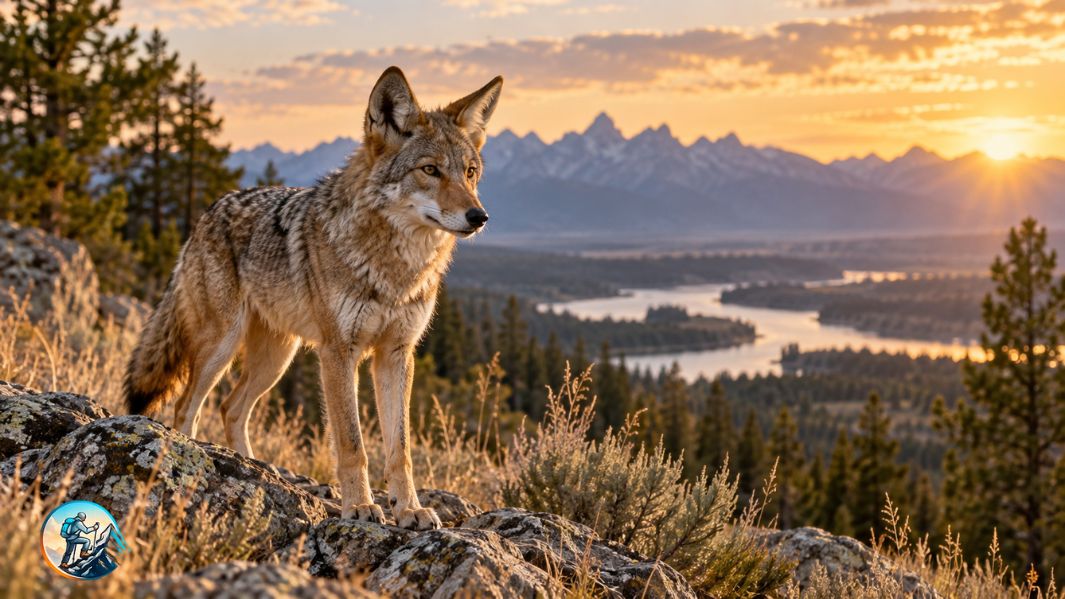
For travellers who encounter the word Heuwolf while researching wildlife, the most useful interpretation is the coyote (Canis latrans), a remarkably adaptable canid found across much of North and Central America. That makes the topic less about a single destination and more about learning to travel responsibly through landscapes where coyotes live. From sagebrush valleys and desert parks to coastal dunes, mountain foothills, and even green spaces near cities, a Heuwolf-focused trip can turn an ordinary road journey into a memorable wildlife experience. The secret is not chasing an animal for a photograph. It is choosing the right habitat, travelling at sensible hours, and giving wildlife enough space to behave naturally.
What Heuwolf Means for Wildlife Travellers
Coyotes are highly adaptable, which is why wildlife travellers may encounter them in grasslands, deserts, forests, wetlands, agricultural country, and urban edges. Their broad habitat range creates many opportunities for observation, but sightings are never guaranteed. A better plan is to treat a coyote encounter as a bonus within a wider nature itinerary. Pick destinations with strong wildlife-viewing traditions, open landscapes, established trails, and clear park guidance. Bring binoculars to observe from a distance, keep food secure, and avoid approaching den sites or animals that appear focused on feeding or caring for young. The most rewarding moments usually happen when travellers stop trying to control the scene.
Best Landscapes for a Heuwolf-Themed Journey
Western North America offers some of the most dramatic settings for coyote watching. Open valleys, high desert, prairie, coastal scrub, and canyon country offer long sightlines that help visitors spot wildlife without getting too close. National parks and recreation areas can be especially practical because marked roads, overlooks, ranger information, and visitor rules make wildlife travel easier to manage. In places such as Yellowstone, California’s coastal parklands, the deserts of the Southwest, or Atlantic barrier-island environments, travellers may encounter coyotes alongside deer, birds, foxes, or other native species. Instead of building the trip around a single animal, create a broader wildlife-photography route with scenic stops, short walks, sunrise viewpoints, and quiet observation periods.
Howl-wolf Watching at Dawn and Dusk
Coyotes are often especially active around dawn and dusk, although they can appear at other times. For travellers, that means the first and last hours of daylight can be productive without requiring risky off-trail wandering. Arrive early, park only in designated areas, and scan meadow edges, ridgelines, road margins, and open scrub with binoculars. A telephoto lens is far more respectful than walking toward an animal to get a closer shot. I find the best wildlife trips are the ones that slow you down: a distant shape crossing a valley can be more memorable than a hurried close-up. “Travel slowly enough for the landscape to reveal its own stories” is a useful rule for this kind of journey.
Staying Safe During a Coyote Encounter
Most coyote sightings do not require drama. Never feed, pet, corner, or deliberately attract a wild coyote. Keep children close, and dogs leashed where pets are permitted. If a coyote approaches, give it an escape route, make yourself appear larger, use a firm voice or loud noise, and back away slowly rather than running. Park authorities commonly advise visitors not to turn an encounter into an interaction. Food scraps, unsecured rubbish, and pet food can encourage wildlife to associate people with easy meals, which creates problems for both animals and visitors. Respecting wildlife safety rules is not merely cautious travel; it is part of responsible conservation.
What to Pack for Heuwolf Wildlife Viewing
A simple kit works best: binoculars, a camera with zoom capability, water, layered clothing, sun protection, a paper or offline map, and a small bag for carrying out rubbish. In remote areas, check road conditions, trail access, weather, and seasonal restrictions before leaving your accommodation. Avoid relying entirely on phone signal. If you are travelling with a dog, check pet rules before choosing a trail, as some protected areas restrict pets. Neutral clothing can help you remain unobtrusive, but patience matters more than special gear. Good responsible tourism means leaving no food, noise, or litter behind. Silence improves your chances of noticing movement.
Why the Heuwolf Makes Travel More Meaningful
A coyote is not a checklist item. Seeing one in its natural environment can remind travellers that wild landscapes are communities, not backdrops. The best Heuwolf journey combines curiosity with restraint: choose good habitat, travel early or late, watch from a respectful distance, and follow local guidance. Even if no coyote appears, the experience can still deliver desert light, birdsong, mountain air, and the pleasure of paying closer attention. That is the real reward of wildlife travel—returning home with stronger memories because you allowed nature to set the pace.
You May Read Also: Smarter Family Journeys with The Songoftruth Org: A Practical Travel Planning Guide