

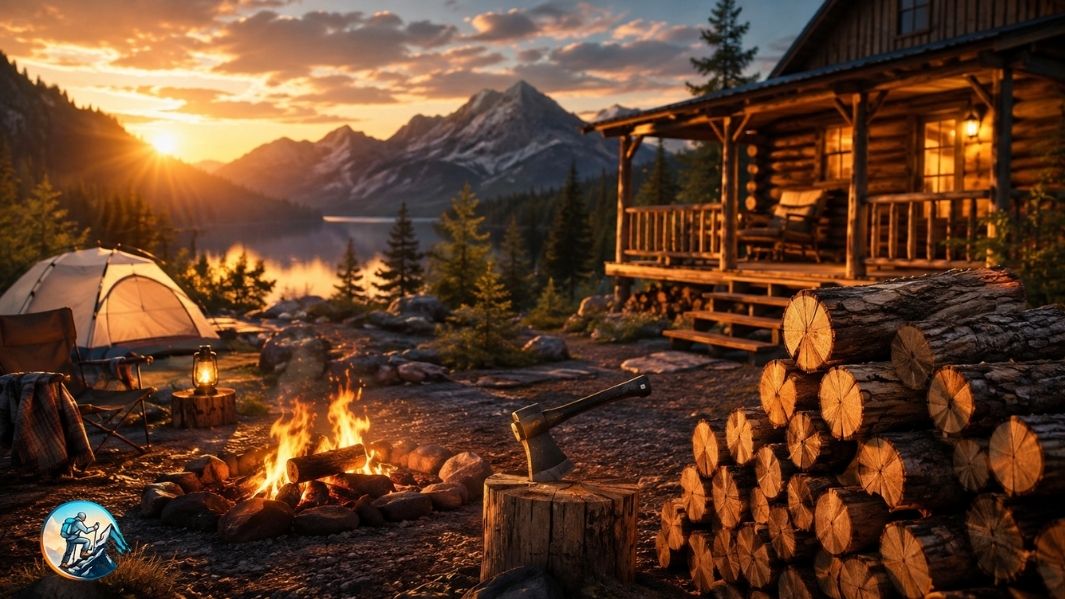
Travel feels different when the evening ends beside a real flame. Whether you are camping in a forest, staying in a mountain cabin, or planning a rural escape, Firewood can turn a cold night into a memorable part of the trip. But buying, carrying, storing, and burning wood is not always simple. Local rules, weather, campsite restrictions, and environmental concerns all matter. A little planning helps you stay warm without creating unnecessary risk or damaging the place you came to enjoy.
This article explains how travelers can buy, transport, store, and use Firewood responsibly while keeping camping trips, cabin stays, and outdoor journeys safe and enjoyable.
Why Firewood Matters on Camping and Cabin Trips
For many travelers, a small fire is part of the atmosphere of an outdoor stay. It provides warmth, a place to cook, and a natural gathering point after a long day of hiking or driving. In colder regions, dry hardwood, seasoned logs, and reliable kindling can make a practical difference when temperatures fall after sunset. Treat wood as a travel supply, not an afterthought. Check whether your campsite or cabin provides fuel, whether fires are allowed, and whether you need to buy wood nearby. Arriving late with wet logs and no backup can quickly spoil a peaceful evening.
Choosing Firewood for a Better Travel Experience
Good Firewood should be dry, clean, and easy to light. Seasoned wood usually burns better than freshly cut timber because it contains less moisture. Hardwoods such as oak, maple, or beech often burn longer, while softer woods can help start a fire. For travelers, small bundles sold near campsites or approved local vendors are easier to handle than large quantities brought from home. Avoid painted, treated, glued, or construction wood because it may release harmful fumes.
Buy Firewood Locally Whenever Possible
Buying wood close to where you will burn it is one of the smartest travel habits. Moving logs over long distances can spread insects, fungi, and tree diseases into new areas. Many parks therefore discourage or restrict wood transport. Buying local Firewood also makes packing easier and supports nearby businesses. Before leaving, check your accommodation or campground information. Some places sell approved bundles on-site, while others recommend nearby suppliers. If you are crossing regional or national borders, never assume you can carry wood legally without checking the rules.
Fire Safety Before You Light Anything
Use designated fire rings, fireplaces, or approved fire pits whenever possible. Keep water nearby, clear dry leaves from the area, and never build a fire beneath low branches. Wind matters because even a light breeze can carry sparks farther than expected. During hot or dry weather, authorities may introduce temporary fire bans. Respect them completely. A simple travel principle works well: “Leave warmth behind in your memories, not damage on the land.”
How Much Firewood Should Travelers Buy?
For a short evening fire, one modest bundle may be enough, while colder nights or longer stays can require more. The amount depends on wood type, weather, fireplace size, and burn time. Instead of buying too much at once, ask your host or campground staff what is typical locally. This avoids waste and prevents unused wood from being left behind. If rain is expected, keep logs covered and off wet ground to keep your campfire fuel dry.
Firewood Storage at Cabins and Campsites
Store wood away from tents, vehicles, heaters, and open flames. At a cabin, use the woodshed or storage area the host provides. At a campsite, keep your bundle dry but not right beside the fire. Good airflow helps wood remain usable. Avoid bringing damp logs into a small enclosed room to dry them quickly unless the property provides a safe storage area. Smoke, insects, and moisture can become bigger problems than the cold.
Responsible Firewood Travel Tips
The best approach is simple: buy local, burn only where permitted, keep the fire small, and extinguish it fully before sleeping or leaving. Pour water over the embers, stir them, and check that no heat remains. Don’t bury hot coals because they can keep smoldering underground. These habits protect forests, campsites, wildlife, and future visitors while still letting you enjoy the comfort of an outdoor flame.
Final Thoughts
Firewood may seem like a small detail, but on camping trips and cabin holidays it can shape the whole evening. Choosing dry wood, respecting local regulations, storing it safely, and burning it responsibly makes travel more comfortable without sacrificing the environment. Plan, stay flexible, and treat every fire as part of the landscape. The reward is simple: a warm night, a quiet place, and a travel memory worth keeping.
You May Read Also: A Smarter Way to Pass Travel Downtime with Mimshacks