
Luxury Travel
Rome’s Living Masterpieces: Exploring Bernini Fountains Beyond the Postcards

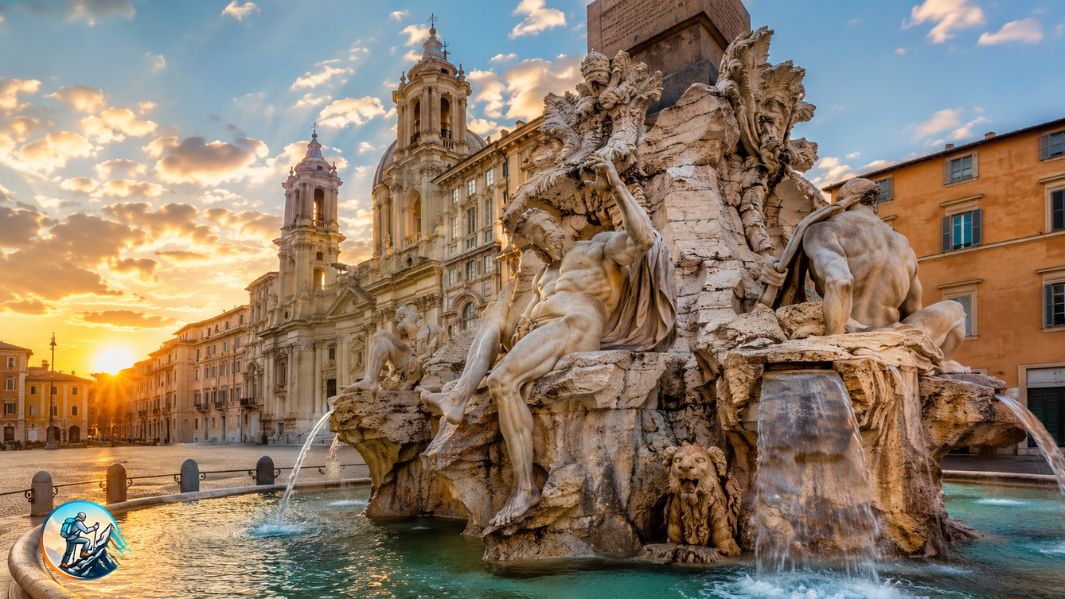
Rome has plenty of monuments that ask you to stand back and admire them, but the creations of Gian Lorenzo Bernini feel different. His fountains seem to move with the city. Water crashes over carved rock, marble figures twist beneath open skies, and ordinary public squares suddenly become theatrical stages. Exploring Bernini Fountains is therefore less like ticking landmarks off a sightseeing list and more like discovering how Baroque Rome was designed to make people stop, look, and feel something.
This article offers a practical, informative guide to Bernini’s most memorable fountains, separating useful historical context from travel hype while helping visitors understand where to go, what to notice, and how to enjoy these masterpieces without spending an entire day crossing Rome.
Why Bernini Fountains Are Essential to a Rome Itinerary
Bernini understood that a fountain could do much more than supply water. It could transform a piazza into an experience. His combination of Baroque sculpture, dramatic movement, symbolism, architecture, and flowing water gave Rome some of its most recognizable public spaces.
The finest example is the Fountain of the Four Rivers, or Fontana dei Quattro Fiumi, standing proudly in Piazza Navona. Completed in the seventeenth century, the monument represents four great rivers associated with different parts of the known world. Massive sculpted figures appear to rise from the rugged rock beneath an Egyptian obelisk, creating a composition that feels both monumental and weightless.
Look closely rather than photographing it immediately. The animals, plants, facial expressions, and rough stone surfaces make the fountain far more interesting than a quick postcard view suggests.
Bernini Fountains to See First in Central Rome
After Piazza Navona, head toward Piazza Barberini for the Triton Fountain. Here Bernini created something wonderfully theatrical: Triton rises above dolphins while blowing into a conch shell, with water becoming part of the action rather than merely decorating the sculpture.
Nearby is the smaller Fountain of the Bees, associated with the Barberini family and easily overlooked by travelers rushing toward larger attractions. Its modest scale is exactly why I like it. In a city filled with grand monuments, this little fountain shows that Bernini could turn even functional street architecture into something playful and elegant.
At the southern end of Piazza Navona, travelers can also examine the Fountain of the Moor. Giacomo della Porta designed the original fountain, while Bernini later contributed the dramatic central figure. Knowing this distinction makes the stop more interesting and prevents the common mistake of attributing every element of the fountain entirely to Bernini.
How to Experience the Fountains Without the Crowds
For the calmest experience, visit major Rome fountains early in the morning. Piazza Navona feels completely different before tour groups and restaurant crowds fill the square. Evening can also be beautiful, especially when surrounding buildings glow under warm street lighting.
A practical route is to begin at Piazza Navona, walk toward the historic center, and continue to Piazza Barberini. Wear comfortable shoes because sightseeing in Rome almost always involves cobbled streets and more walking than expected.
In photography, avoid focusing solely on full-width shots. Capture carved faces, splashing water, animals, stone textures, and the surrounding architecture. These details communicate Bernini’s artistry much better than another crowded photograph taken from the middle of the piazza.
My favorite rule for Rome is simple: spend five minutes looking before reaching for your phone.
As the often-quoted travel idea reminds us, “The journey matters as much as the destination.” That feels especially appropriate here because walking between Bernini’s works reveals churches, narrow streets, cafés, balconies, and unexpected fragments of historic Rome.
What Makes Bernini’s Fountain Designs So Memorable
What separates Bernini from many monumental sculptors is movement. His figures rarely appear frozen. Bodies twist, fabric seems blown by invisible wind, animals strain beneath weight, and water completes the illusion.
That sense of energy explains why these Italian Baroque masterpieces remain compelling centuries later. They were designed for public life, not silent museum galleries, and Rome still moves around them exactly as Bernini intended.
Final Thoughts
Seeing Bernini Fountains gives travelers a richer way to understand Rome. They connect art, architecture, water, politics, mythology, and everyday street life in places anyone can visit without entering a museum. Give them more than a passing glance. Stand beside the water, notice the details, watch the piazza change around you, and Bernini’s Rome suddenly feels remarkably alive.
You May Read Also: Travel Smarter With Stealthgram: A Private Way to Research Your Next Adventure

i m m e d: The Surprising Meaning, Uses, and Importance of This Abbreviation

Rise Broadband: The Ultimate Guide to Reliable Internet, Plans, Speeds, and Benefits in 2026

PMV Explained: Essential Meanings, Uses, and Real-World Examples

FASB Staff Position: Essential Guide to Its Purpose, Importance, and Impact on Accounting

Samara Zane: The Remarkable Story of Lorraine Toussaint’s Daughter, Family Life and Background

Beau Laughlin: The Remarkable Career, Marriage, and Inspiring Success Story of Lindsey Gort’s Husband

Michael Rabe: The Remarkable Journey of Lily Rabe’s Talented Brother and Playwright

Sulina Frost: A Closer Look at Adam Frost’s Wife, Family Life and Business Career

Sam Handel: Inside His Creative Career, Family Life, and Marriage to Lauren Ambrose

Naples travel guide: discover art, history and panoramic views

Everest Base Camp Trek vs Manaslu Circuit Trek: Routes, Difficulty, Costs, Altitude and Mountain Experience

Classroom 15x: The Ultimate Guide to Free Online Games, Features, Benefits, and Safe Gaming

Crackstube Explained: A Complete Guide to Its Features, Content, Safety, and Digital Publishing Platform

Startup Booted Fundraising Strategy: A Powerful Guide to Smart Funding and Sustainable Business Growth

Provascin: A Complete Guide to Its Ingredients, Potential Benefits, Uses, and Safety

Jeremy Yaffe: The Remarkable Untold Story of Alan Arkin’s First Wife and Her Life Beyond Hollywood

How Dental Implant Quotes Are Built: A Practical Cost Guide for Maple Grove, Minnesota

HMJones.net Explained: A Complete Guide to Business Loans, Funding Options, and Smarter Financial Decisions

ABS Testauslösung: Bedeutung, Funktion, häufige Fehler und wichtige Sicherheitstipps

Pedal And Post Collapse: The Shocking Closure of Oxford’s Pioneering Green Delivery Company
i m m e d: The Surprising Meaning, Uses, and Importance of This Abbreviation
Rise Broadband: The Ultimate Guide to Reliable Internet, Plans, Speeds, and Benefits in 2026
PMV Explained: Essential Meanings, Uses, and Real-World Examples
FASB Staff Position: Essential Guide to Its Purpose, Importance, and Impact on Accounting
Samara Zane: The Remarkable Story of Lorraine Toussaint’s Daughter, Family Life and Background
Beau Laughlin: The Remarkable Career, Marriage, and Inspiring Success Story of Lindsey Gort’s Husband
Michael Rabe: The Remarkable Journey of Lily Rabe’s Talented Brother and Playwright
Sulina Frost: A Closer Look at Adam Frost’s Wife, Family Life and Business Career
Sam Handel: Inside His Creative Career, Family Life, and Marriage to Lauren Ambrose
Naples travel guide: discover art, history and panoramic views
-
 Blog3 months ago
Beyond the Cages: How an Artificial Zoo Could Redefine Wildlife Travel
-
 Destination Guides3 months ago
Beyond the Map: Discovering Haslhof in Italy and Bavaria
-
Adventure Travel3 weeks ago
Everest Base Camp Trek vs Manaslu Circuit Trek: Routes, Difficulty, Costs, Altitude and Mountain Experience
-
 Entertainment2 weeks ago
Classroom 15x: The Ultimate Guide to Free Online Games, Features, Benefits, and Safe Gaming