
Technology
Rise Broadband: The Ultimate Guide to Reliable Internet, Plans, Speeds, and Benefits in 2026

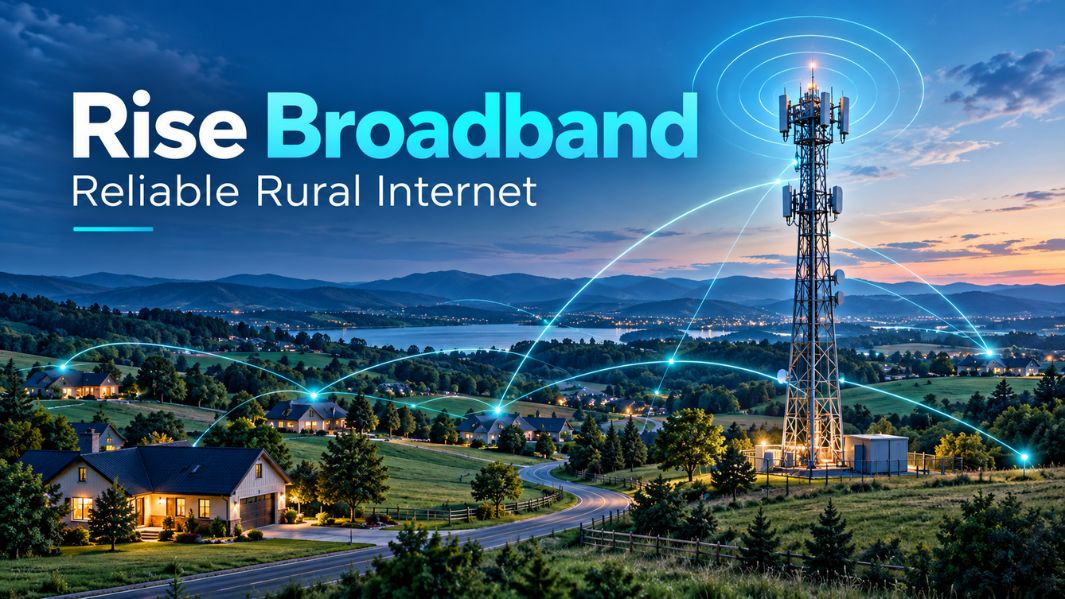
Rise Broadband has become a familiar name in American internet services, particularly among households and businesses located in rural and suburban communities. As reliable internet access becomes essential for work, school, entertainment, and everyday communication, choosing the right broadband provider matters more than ever. Rise Broadband has focused on delivering connectivity to areas where traditional cable and fiber networks may have limited availability.
In March 2026, the company announced its rebranding as Rise Internet, reflecting its continued investment in network improvements and customer service. Although the company has changed its name, many consumers still search for Rise Broadband when comparing internet packages, checking coverage, or seeking technical support.
Understanding the company’s connection technologies, pricing structure, available speeds, and service limitations can help customers make informed decisions.
This article explains Rise Broadband’s services, current branding, internet plans, coverage, installation process, advantages, and important considerations before choosing a connection.
What Is Rise Broadband?
Rise Broadband is an American internet service provider historically known for offering fixed wireless broadband to residential and business customers. Its primary objective has been to improve internet access in communities where conventional broadband infrastructure can be expensive or hard to install.
Unlike providers that rely exclusively on underground cables, Rise uses wireless transmission technology to connect customers through strategically positioned network towers. This approach allows broadband services to reach certain rural communities without requiring extensive cable construction to every property.
The provider has also expanded into fiber-optic Internet, giving eligible customers access to additional high-speed connectivity options. In February 2023, investment firm GI Partners acquired the business, supporting plans for further network development.
Today, Rise Internet continues to build on that foundation while emphasizing network modernization, customer support, and improved service experiences.
Why Did Rise Broadband Change Its Name?
On March 16, 2026, Rise Broadband announced that it was changing its consumer-facing brand to Rise Internet. The rebranding was more than a visual identity update; the company also highlighted investments in technology, operational improvements, and customer relationships.
As part of its development strategy, the business relocated its headquarters to the Dallas–Fort Worth area and announced plans to expand network reach in Texas. The company also highlighted improvements, including Wi-Fi 7 technology, higher-speed connections, and a U.S.-Based customer service operation.
For existing customers, the key point is that the new branding does not automatically mean their internet connection has changed. Available plans, infrastructure, and service conditions still depend on individual locations.
Anyone researching the older company name should therefore recognize that Rise Broadband and Rise Internet refer to the same rebranded provider.
How Does Rise Broadband Internet Work?
One of the provider’s most recognizable technologies is fixed wireless Internet, which delivers broadband signals through radio communication between network infrastructure and equipment installed at a customer’s location.
During installation, a technician may place a receiver or antenna in an appropriate location on the property. This equipment communicates with a nearby transmission point, allowing the household to access internet services through a connected router.
The effectiveness of this technology depends on several factors, including distance from the tower, signal strength, terrain, obstacles, and network capacity. Trees, buildings, and hills can sometimes affect the connection.
Fixed wireless broadband differs from satellite internet because it generally uses terrestrial network infrastructure rather than satellites orbiting Earth. This can provide advantages in responsiveness when the network is properly designed.
Rise also offers fiber-based services in eligible areas, where data travels through fiber-optic infrastructure rather than relying primarily on the wireless connection between the provider and the premises.
Rise Broadband Internet Plans and Speeds
Rise Internet offers multiple residential packages for different levels of internet use. Its widely marketed plan categories in 2026 include the Family Plan, Level Up Plan, and Pro Plan.
The Family Plan is advertised with download speeds of up to 150 Mbps, making it a potential choice for everyday browsing, video streaming, online classes, and other household activities.
The Level Up Plan offers advertised download speeds of up to 500 Mbps. This higher tier may suit households with several connected devices, frequent video meetings, and heavier entertainment requirements.
The Pro Plan is marketed with speeds up to 1 Gbps, or about 1,000 Mbps, in qualifying service areas. Such speeds may appeal to households that regularly download large files or operate multiple demanding applications.
However, these are advertised maximum speeds, not guaranteed performance at every address. Fiber and fixed wireless connections can also have different upload capabilities. Customers should always confirm the precise technology and service specifications available at their property.
Rise Broadband Pricing and Monthly Costs
Internet pricing is a key factor when comparing broadband providers. In 2026, Rise Internet advertised promotional starting prices of approximately $29.99 per month for the Family Plan, $49.99 for Level Up, and $79.99 for Pro.
These advertised prices generally included a monthly discount linked to qualifying automatic payments. The amount charged may increase if you don’t meet the discount requirements.
Customers should also investigate additional expenses, such as equipment rental, professional installation, administrative charges, and applicable taxes. Such fees may vary according to the selected service package, promotional terms, and service location.
Another important consideration is whether a household has access to a current unlimited-data package or remains on an older plan with different usage conditions.
Rather than choosing a package based entirely on the advertised monthly rate, customers should request the full price, including all recurring charges and one-time installation costs.
Where Is Rise Broadband Available?
Rise has historically served communities across several American states, particularly in the Midwest, Mountain West, and Southwest.
Its service footprint has included areas of Texas, Colorado, Idaho, Illinois, Iowa, Nebraska, Nevada, Utah, Missouri, and Oklahoma, among other locations.
However, geographic coverage does not guarantee service availability. Two households located within the same town may receive different connectivity options because of infrastructure limitations, terrain, or wireless signal conditions.
The company has also announced network expansion initiatives, including plans to improve coverage throughout additional Texas communities.
The most dependable way to determine availability is to complete an address-specific eligibility check. This should reveal which internet technology, speed tiers, and installation options the provider can offer at that location.
Installation and Equipment Requirements
The installation process depends on whether a customer receives fixed wireless or fiber Internet.
For a fixed wireless connection, professional installation may involve checking signal reception, mounting outdoor receiving equipment, routing a cable indoors, and connecting the household router.
The technician must identify a suitable position that provides a stable connection to the provider’s network. In some cases, physical obstructions or weak reception may prevent a successful installation.
Fiber installations generally involve connecting the property to available fiber infrastructure and configuring the necessary network equipment.
Once installation is complete, customers can connect smartphones, laptops, televisions, gaming consoles, and other supported devices through their home Wi-Fi network.
Before scheduling installation, confirm whether equipment is included, whether rental charges apply, and what happens if the service is canceled.
Benefits of Choosing Rise Broadband
A major attraction of Rise Broadband is its ability to provide internet access in locations where consumers have relatively few conventional broadband options.
Rural connectivity remains particularly valuable because internet access supports remote employment, online education, digital banking, healthcare communication, and modern business operations.
Another advantage is the company’s combination of fixed wireless and fiber technologies. This gives the provider flexibility in building networks across communities with different infrastructure needs.
Current residential offerings also emphasize unlimited data and contract-free service, though customers should verify the specific terms of their plans.
Higher-speed options and ongoing network improvements may make the service increasingly attractive in areas with upgraded coverage.
Nevertheless, the benefits depend heavily on local network performance, installation eligibility, service reliability, and the total cost of the package.
Potential Disadvantages and Service Limitations
Although the provider offers useful connectivity solutions, its services may not suit every household equally.
Fixed wireless performance may vary because of signal obstructions, local network congestion, technical equipment issues, or difficult weather conditions. Upload speeds may also be slower than those available through some fiber connections.
Another limitation is address-specific availability. A provider may advertise high-speed Internet throughout a region while offering slower packages at individual properties.
Pricing can also become less attractive when additional equipment charges or other fees are included in the final monthly bill.
Customer experiences may differ by service area, so it is sensible to check recent local feedback rather than assuming performance will be identical nationwide.
These considerations do not necessarily make Rise a poor choice. They highlight the importance of comparing actual service conditions before subscribing.
Is Rise Broadband Good for Gaming and Streaming?
Rise Internet may suit online gaming, streaming, and video conferencing, depending on the connection available at your address.
For video streaming, consistent speed often matters more than choosing the highest advertised package. A stable broadband connection supports high-definition entertainment, while faster tiers add capacity for multiple simultaneous streams.
Online gaming depends more on low latency, low packet loss, and consistent connections. A fast download speed alone does not guarantee a responsive gaming experience.
Fiber connections often offer better latency consistency and upload performance, though a properly functioning fixed wireless connection can also support typical multiplayer gaming.
Households with several gamers, remote workers, and streaming devices should consider their combined usage requirements. Checking real-world performance in the local service area is especially helpful before choosing a package.
Rise Broadband vs. Other Internet Providers
Comparing Rise with cable, fiber, DSL, and satellite providers requires more than examining advertised download speeds.
Fiber-optic broadband typically offers strong performance, particularly for large uploads and demanding applications. However, its availability can be limited in rural communities.
Cable internet often provides substantial download capacity, although upload speeds and congestion characteristics vary by provider and network.
Traditional DSL may rely on aging telephone infrastructure and can deliver lower speeds depending on the distance from network equipment.
Satellite broadband offers broader geographic reach in some remote locations, but performance and pricing depend on the satellite network and package.
Rise’s fixed wireless technology can be a practical alternative when cable or fiber isn’t available. When comparing providers, consumers should examine total cost, measured speeds, reliability, latency, customer support, and service terms.
How to Improve Your Rise Broadband Connection
Customers experiencing slow Internet should first determine whether the problem affects every connected device or only one piece of equipment.
Restarting the router can sometimes resolve temporary connectivity problems. It may also help to position indoor Wi-Fi equipment centrally and away from thick walls, large metal objects, or electronic interference.
For households with many connected devices, review background downloads and unnecessary applications to free up bandwidth for important activities.
A wired Ethernet connection can help determine whether slow performance originates from the Wi-Fi network or the incoming internet service.
Customers using outdoor fixed wireless equipment should avoid repositioning antennas unless the provider instructs them to, because alignment can affect reception.
If problems continue, contact technical support with details about connection times, recurring interruptions, and speed-test results to help identify network or equipment issues.
Is Rise Broadband Worth Choosing in 2026?
Rise Broadband’s value depends primarily on the quality of service available at the customer’s location.
For rural households that previously depended on slow DSL or limited broadband choices, Rise may offer a meaningful improvement. Its evolving network, higher advertised speeds, and fiber expansion make it worth considering where the company has suitable infrastructure.
However, prospective customers should avoid making decisions solely on national advertising. Actual service availability, full monthly pricing, upload performance, and installation conditions are better indicators of whether a package fits their needs.
Comparing Rise with other locally available providers remains the most practical approach.
Frequently Asked Questions
1. Is Rise Broadband the same as Rise Internet?
Yes. Rise Broadband officially rebranded as Rise Internet in March 2026. The newer name reflects the company’s updated identity and ongoing network development.
2. Does Rise Broadband offer unlimited Internet?
Rise Internet’s current residential packages are marketed as unlimited data. However, customers with older plans should review their individual agreements to confirm whether usage restrictions or additional charges apply.
3. How fast is Rise Broadband internet?
Advertised residential packages include speeds of up to 150 Mbps, 500 Mbps, and 1 Gbps. Actual speeds vary according to location, connection technology, equipment, and network conditions.
4. Is Rise Broadband available in rural areas?
Yes. Serving rural and suburban communities has been an important part of Rise’s business. However, eligibility depends on the customer’s exact address and the available infrastructure.
5. Is Rise Broadband better than satellite internet?
Fixed wireless service can offer advantages over some satellite connections, particularly regarding latency. Nevertheless, the better option depends on local signal quality, satellite technology, pricing, and individual internet requirements.
Conclusion
Rise Broadband, now operating under the Rise Internet brand, continues to play an important role in expanding internet connectivity across underserved American communities. Through fixed wireless technology, fiber development, and network modernization, the provider offers several options for households seeking dependable broadband access.
Its advertised packages offer a range of speeds for everyday browsing, streaming, remote work, and more demanding online activities. However, availability, performance, and pricing vary by location.
Ultimately, choosing the right Rise Internet package requires understanding your household’s needs, confirming local coverage, and reviewing the complete service terms. With the right connection and plan, Rise can be a practical broadband option for modern digital living.

i m m e d: The Surprising Meaning, Uses, and Importance of This Abbreviation

Rise Broadband: The Ultimate Guide to Reliable Internet, Plans, Speeds, and Benefits in 2026

PMV Explained: Essential Meanings, Uses, and Real-World Examples

FASB Staff Position: Essential Guide to Its Purpose, Importance, and Impact on Accounting

Samara Zane: The Remarkable Story of Lorraine Toussaint’s Daughter, Family Life and Background

Beau Laughlin: The Remarkable Career, Marriage, and Inspiring Success Story of Lindsey Gort’s Husband

Michael Rabe: The Remarkable Journey of Lily Rabe’s Talented Brother and Playwright

Sulina Frost: A Closer Look at Adam Frost’s Wife, Family Life and Business Career

Sam Handel: Inside His Creative Career, Family Life, and Marriage to Lauren Ambrose

Naples travel guide: discover art, history and panoramic views

Everest Base Camp Trek vs Manaslu Circuit Trek: Routes, Difficulty, Costs, Altitude and Mountain Experience

Classroom 15x: The Ultimate Guide to Free Online Games, Features, Benefits, and Safe Gaming

Crackstube Explained: A Complete Guide to Its Features, Content, Safety, and Digital Publishing Platform

Startup Booted Fundraising Strategy: A Powerful Guide to Smart Funding and Sustainable Business Growth

Provascin: A Complete Guide to Its Ingredients, Potential Benefits, Uses, and Safety

Jeremy Yaffe: The Remarkable Untold Story of Alan Arkin’s First Wife and Her Life Beyond Hollywood

How Dental Implant Quotes Are Built: A Practical Cost Guide for Maple Grove, Minnesota

HMJones.net Explained: A Complete Guide to Business Loans, Funding Options, and Smarter Financial Decisions

ABS Testauslösung: Bedeutung, Funktion, häufige Fehler und wichtige Sicherheitstipps

Pedal And Post Collapse: The Shocking Closure of Oxford’s Pioneering Green Delivery Company
i m m e d: The Surprising Meaning, Uses, and Importance of This Abbreviation
Rise Broadband: The Ultimate Guide to Reliable Internet, Plans, Speeds, and Benefits in 2026
PMV Explained: Essential Meanings, Uses, and Real-World Examples
FASB Staff Position: Essential Guide to Its Purpose, Importance, and Impact on Accounting
Samara Zane: The Remarkable Story of Lorraine Toussaint’s Daughter, Family Life and Background
Beau Laughlin: The Remarkable Career, Marriage, and Inspiring Success Story of Lindsey Gort’s Husband
Michael Rabe: The Remarkable Journey of Lily Rabe’s Talented Brother and Playwright
Sulina Frost: A Closer Look at Adam Frost’s Wife, Family Life and Business Career
Sam Handel: Inside His Creative Career, Family Life, and Marriage to Lauren Ambrose
Naples travel guide: discover art, history and panoramic views
-
 Blog3 months ago
Beyond the Cages: How an Artificial Zoo Could Redefine Wildlife Travel
-
 Destination Guides3 months ago
Beyond the Map: Discovering Haslhof in Italy and Bavaria
-
Adventure Travel3 weeks ago
Everest Base Camp Trek vs Manaslu Circuit Trek: Routes, Difficulty, Costs, Altitude and Mountain Experience
-
 Entertainment2 weeks ago
Classroom 15x: The Ultimate Guide to Free Online Games, Features, Benefits, and Safe Gaming