

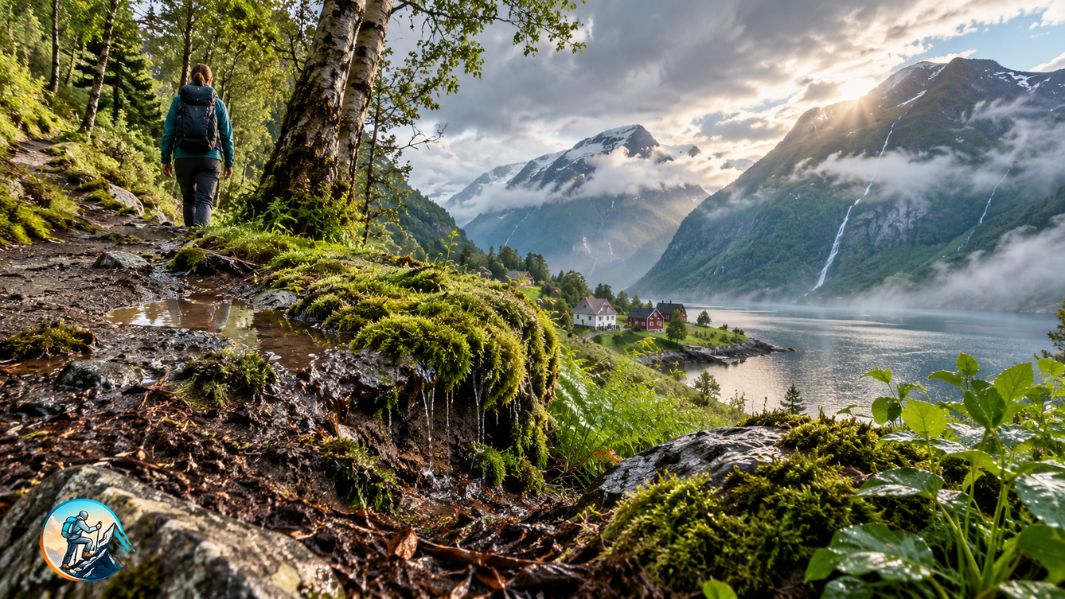
Travel through Norway, and you may notice how often the landscape seems designed around water. Rain slips off roofs, gathers beside paths, disappears into planted hollows, and drains into soil instead of rushing immediately toward concrete channels. The Norwegian word Infiltrasjon helps explain part of that process. In a hydrological sense, it refers to water entering the ground from the surface. This simple idea becomes surprisingly useful when exploring wet cities, forest trails, mountain settlements, and environmentally designed public spaces.
For travelers, understanding water infiltration is not about studying engineering on holiday. It is about reading a destination more carefully. Once you know what to look for, small details such as rain gardens, permeable paths, grassy depressions, mossy ground, and drainage channels become part of the story of how a place responds to weather.
Why Infiltrasjon Matters to Travelers in Norway
Norway’s changing weather makes stormwater management visible in everyday travel. In cities, heavy rain can collect quickly on paved streets, while parks and planted areas give water room to soak downward. In smaller communities, natural ground, slopes, vegetation, and open drainage often shape how walking routes feel after rain.
This matters practically. A route that looks easy on a dry morning may become soft, muddy, or slippery after prolonged rainfall. Shoes with solid grip, a lightweight waterproof layer, and a little flexibility in your schedule can make the difference between an uncomfortable outing and a memorable one. I have always found that rainy destinations become more interesting when you stop treating the weather as an interruption and start noticing how the landscape absorbs it.
How to Recognize Infiltrasjon in Urban Landscapes
Travelers can often spot Infiltrasjon in modern urban spaces without realizing it. Look for shallow planted basins beside roads, gravel surfaces, green strips between pavements, tree pits that collect runoff, and landscaped dips where rainwater temporarily gathers. These features can support sustainable drainage by slowing water and encouraging it to move into the soil.
For visitors, these areas also serve as useful visual clues. After rain, avoid assuming every grassy shortcut is firm. Water may be intentionally collecting there before soaking away. Stay on marked paths when surfaces look saturated, particularly in parks, restored wetlands, or landscaped public squares.
Infiltrasjon on Trails, Forest Paths, and Mountain Routes
Outside cities, the idea becomes even more intuitive. Soil, vegetation, rock fractures, boggy ground, and forest floors all influence how water moves. A trail can cross dry gravel, sponge-like moss, exposed stone, and waterlogged earth within a short distance. These shifts affect comfort, pace, and safety.
Before a hike, check recent weather, not only the forecast for the next few hours. Rain from the previous day can still affect trail conditions, stream levels, and muddy sections. In steep terrain, water can also follow paths downhill, creating slick surfaces or small channels. Good footwear and conservative route choices are more valuable than trying to keep a perfect itinerary.
Infiltrasjon and Responsible Nature Travel
Understanding how water enters and moves through soil also supports responsible tourism. Repeated footsteps on saturated ground can widen trails, damage vegetation, and encourage erosion. When a path is muddy, walking around the edge may feel cleaner, but doing so can gradually expand the damaged area. Where possible, stay on durable surfaces and follow local trail guidance.
The same principle applies near fragile wetlands and soft forest floors. Beautiful landscapes often look resilient while being surprisingly easy to disturb. “Take only memories, leave only footprints” is a familiar travel idea, but in wet terrain even footprints can matter. Thoughtful movement is part of good travel.
Planning a Weather-Smart Trip Around Infiltrasjon
You do not need specialist equipment to travel well in rainy environments: pack quick-drying layers, waterproof footwear suited to your activity, and a small cover for electronics. Choose accommodation and transport plans that allow some flexibility, especially if your trip includes long walks or exposed outdoor routes.
In towns, rainy days can be excellent for museums, cafés, waterfront walks, and shorter neighborhood explorations between showers. In nature, consider lower, safer routes when the ground is saturated, or visibility is poor. The goal is not to fear rain but to work with it. That awareness can help you choose better viewpoints, safer paths, and calmer alternatives when weather changes suddenly.
Final Thoughts
Infiltrasjon is a technical word with a simple travel lesson: landscapes are always responding to water. Once you notice that relationship, Norway feels different. Streets, gardens, forests, and trails connect through the same quiet process beneath your feet.
Travel becomes richer when you understand not only where you are going, but how the place works. Watch the rain, respect the ground, adjust your pace, and let the landscape teach you something along the way.
You May Read Also: Travel Smarter With CJMonsoon: A Practical Guide to Monsoon-Season Adventures