

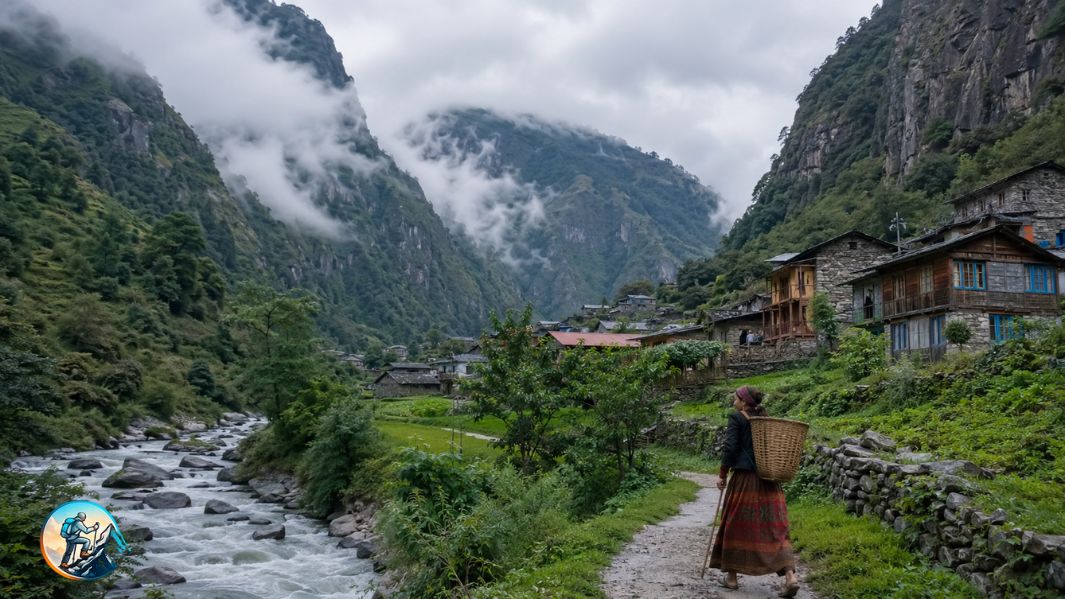
Some destination names make you want to open a map immediately. Milyom has that effect. It sounds like the kind of hidden travel destination that might promise local food, old traditions, and an escape from over-touristed cities. The problem is that travelers searching for it face a basic question before thinking about flights or hotels: is Milyom actually a place you can visit?
Right now, no reliable geographic evidence establishes Milyom as a recognized city, region, island, or tourist destination. Online descriptions sometimes present it as a secret getaway, but those accounts aren’t backed by established mapping or tourism sources. For travelers, that makes Milyom less a conventional destination and more a lesson in travel research, online curiosity, and checking a place before planning around it.
Is Milyom a Real Travel Destination?
The safest answer is no—not as a verified destination based on currently available credible information. That matters because travelers now discover places through social posts, blogs, short videos, AI-generated recommendations, and search suggestions before consulting an official map. A compelling description can make an unfamiliar name feel real even when basic details such as borders, nearby airports, local authorities, or official tourism information are missing.
If you encounter a Milyom guide promising scenic lakes, ancient forts, traditional markets, or local cuisine, treat those claims carefully unless they match a real location. A trustworthy destination guide should let you verify where the place is, how to reach it, which authority manages the area, and whether accommodation and transport providers have genuine addresses.
How to Research Milyom Before You Book
Start with the simplest question: “Where exactly is Milyom?” Search trusted maps and look for a consistent country, region, coordinates, and nearby settlements. Then check whether a national or regional tourism board recognizes the place. If the name appears only on loosely sourced blogs and cannot be connected to official geographic information, do not pay for hotels, tours, transfers, visas, or tickets associated with it.
This approach is useful beyond Milyom. Search engines surface unusual names, while social media rewards novelty. Travelers should confirm a destination independently before sharing personal details or making payments. A beautiful photograph is not proof of location, and a polished itinerary is not proof that the destination exists.
Why Milyom Still Matters to Travelers
Milyom matters because it shows how travel inspiration is changing. Years ago, many people planned trips using guidebooks, travel agents, airline brochures, or recommendations from friends. Today, an unfamiliar keyword can create instant curiosity. That can be exciting—many genuine off-the-beaten-path places deserve attention—but it also means travelers need stronger verification habits.
Something is appealing about wanting Milyom to be real. Most frequent travelers know the feeling of craving a place untouched by crowds, where a morning walk feels spontaneous rather than scheduled. I understand that attraction. Yet discoveries are more satisfying when they lead to real communities that benefit from respectful tourism, not to an invented location circulating online.
As Mark Twain famously observed, “Travel is fatal to prejudice.” The spirit behind that line works here: travel should expand our understanding of the real world, not make us less careful about what is real.
What to Do If You Were Hoping to Visit Milyom
Use the idea behind the search instead of abandoning it. Ask what attracted you to Milyom. Was it quiet countryside, cultural immersion, traditional food, low crowds, history, or nature? Once you know that, search for verified destinations offering those qualities.
For a peaceful escape, consider smaller towns or rural regions within a country you already want to visit. For culture, prioritize places with heritage sites, local museums, community-led tours, and established transport. For adventure, look for national parks and officially maintained trails. This turns a confusing keyword into a practical trip-planning strategy.
Before booking any unfamiliar destination, verify four things: its exact location, transportation options, legitimate accommodation addresses, and official entry requirements. Those checks take minutes and can prevent wasted money or a badly planned journey.
Final Thoughts: Let Curiosity Lead, but Verification Guide You
Milyom may not be a verified travel destination, but the curiosity surrounding it says something genuine about why people travel. We want discovery. We want places that feel personal, surprising, and different from the usual checklist.
Keep that curiosity. Just pair it with careful research. The most rewarding journey is not the one with the most mysterious name; it is the one that takes you somewhere real, helps you understand a place more deeply, and leaves both you and the community better for the visit.
You May Read Also: Travel Smarter with MataRecycler: A Practical Guide to Cleaner, Low-Waste Journeys