
Adventure Travel
Chasing Sea Glass: A Traveler’s Guide to Coastal Treasure

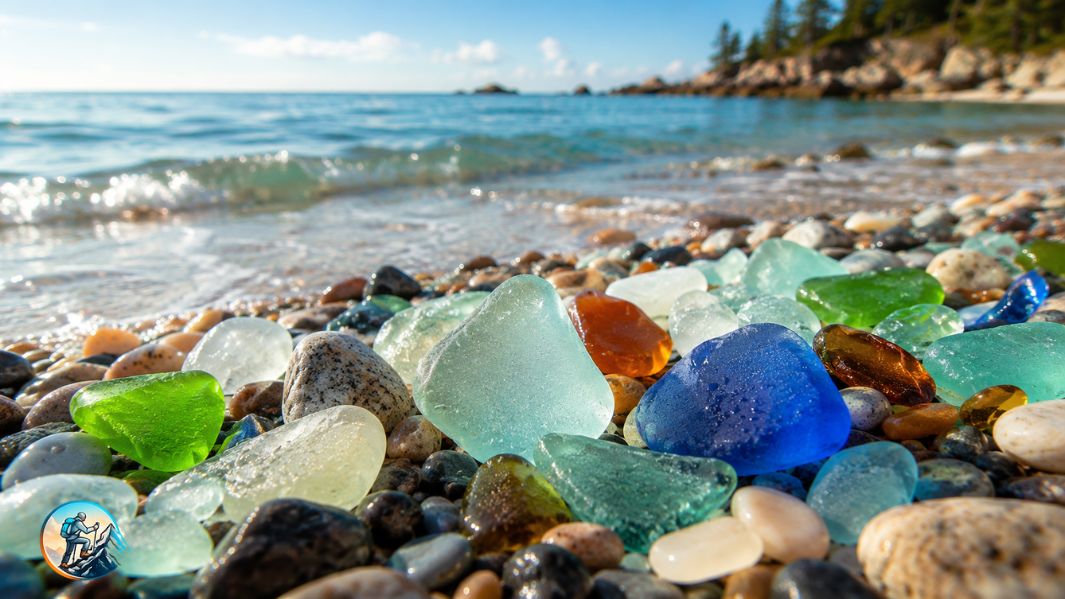
There is something addictive about walking a beach with your eyes trained on the tide line, waiting for a flash of green, white, blue, or amber. Sea Glass turns an ordinary shoreline walk into a rewarding treasure hunt. Each softened fragment has been shaped by salt, sand, waves, and time, giving it the frosted surface collectors love. For travelers, the appeal goes beyond finding pretty objects; searching for sea glass creates a reason to explore coves, historic harbors, fishing towns, and forgotten stretches of coast at a gentler pace.
This article explains where Sea Glass is most likely to appear, how to search responsibly, what colors and textures mean, which beach conditions improve your chances, and how to turn a coastal walk into a memorable travel experience. It is comprehensive, factual, plagiarism-free, and clear about practical realities, while separating useful guidance from common collecting myths for both readers and search engines.
Why Sea Glass Makes Coastal Travel More Rewarding
Unlike souvenirs bought in a shop, beach glass feels personal because you discover it yourself. Old bottle fragments, tableware, decorative glass, and industrial pieces can spend decades tumbling through the sea before returning to shore with rounded edges and a matte finish. That history gives each piece character. Sea-glass hunting also changes the way you see a destination: instead of rushing between attractions, you notice stone size, wave direction, old piers, harbor walls, and the changing shape of the beach.
The best finds often come from places with a long history of coastal settlement, shipping, fishing, or recreation. Beaches near older towns can be productive, but no location guarantees treasure. Storms may expose material one week and bury it the next. That unpredictability is part of the fun.
Sea Glass Hunting: When and Where to Look
The easiest time to search is usually around low tide, when more shoreline is exposed. Beaches with pebbles, shells, gravel pockets, and natural collection points can be easier to scan than wide, uniform sand. After rough weather, shifting waves may uncover older material, although travelers should never search during dangerous surf.
Walk slowly along the wrack line and around areas where small stones gather. Look for soft flashes rather than bright shine. Genuine weathered glass normally has smooth edges and a frosted or lightly pitted surface. Clear, green, and brown pieces are common; cobalt blue, aqua, lavender, red, orange, and black-looking glass can be less common and more exciting to find.
How to Identify Genuine Sea Glass
Fresh broken glass and naturally weathered Sea Glass are not the same thing. A true beach-worn piece should feel smooth enough to handle safely, with no sharp cutting edge. Its surface often looks cloudy rather than glossy because of prolonged exposure to water and abrasion. Thickness, bubbles, curved shapes, embossed letters, and unusual colors may offer clues about its original use.
Do not assume every unusual fragment is ancient or valuable. Some pieces may be recent, machine-tumbled, or weathered for a short period. For most travelers, the real value lies in the story of the search, not the resale price.
Responsible Sea Glass Collecting on Your Trip
Before taking anything, check the rules for the beach, park, protected shoreline, or archaeological area you are visiting. Some places restrict or prohibit removing natural or historical material. Where collecting is allowed, take only a modest amount and leave shells, wildlife habitat, and culturally significant objects undisturbed.
Wear sturdy footwear if the beach contains rocks or broken debris, and carry a small pouch rather than a large container. Never encourage children to pick up sharp glass without supervision. Lightweight gloves can also be useful on rougher urban beaches.
Best Travel Tips for a Sea Glass Day
Bring water, sun protection, weather-appropriate clothing, and shoes with good grip. Use a tide forecast when planning your walk, and arrive early enough to explore without rushing. If you photograph your finds, soft natural light usually shows the frosted texture beautifully. I also recommend keeping only the pieces that genuinely interest you rather than collecting everything you see.
A simple rule makes the experience more meaningful: “What the sea returns is never quite what it received.” The same applies to travel. A quiet hour spent searching a shoreline may become more memorable than a crowded attraction you planned months ago.
Final Thoughts
Sea Glass gives coastal travel a sense of discovery that costs almost nothing but attention. You may return with a rare blue fragment, a handful of common greens, or nothing at all, yet the search encourages you to slow down and notice the character of a coast. Choose safe beaches, respect local rules, watch the tides, and enjoy the hunt for what it is: an adventure shaped by the sea.
You May Read Also: Chasing Desert Horizons: Why a Dune Buggy Adventure Belongs on Your Travel List

i m m e d: The Surprising Meaning, Uses, and Importance of This Abbreviation

Rise Broadband: The Ultimate Guide to Reliable Internet, Plans, Speeds, and Benefits in 2026

PMV Explained: Essential Meanings, Uses, and Real-World Examples

FASB Staff Position: Essential Guide to Its Purpose, Importance, and Impact on Accounting

Samara Zane: The Remarkable Story of Lorraine Toussaint’s Daughter, Family Life and Background

Beau Laughlin: The Remarkable Career, Marriage, and Inspiring Success Story of Lindsey Gort’s Husband

Michael Rabe: The Remarkable Journey of Lily Rabe’s Talented Brother and Playwright

Sulina Frost: A Closer Look at Adam Frost’s Wife, Family Life and Business Career

Sam Handel: Inside His Creative Career, Family Life, and Marriage to Lauren Ambrose

Naples travel guide: discover art, history and panoramic views

Everest Base Camp Trek vs Manaslu Circuit Trek: Routes, Difficulty, Costs, Altitude and Mountain Experience

Classroom 15x: The Ultimate Guide to Free Online Games, Features, Benefits, and Safe Gaming

Crackstube Explained: A Complete Guide to Its Features, Content, Safety, and Digital Publishing Platform

Startup Booted Fundraising Strategy: A Powerful Guide to Smart Funding and Sustainable Business Growth

Provascin: A Complete Guide to Its Ingredients, Potential Benefits, Uses, and Safety

Jeremy Yaffe: The Remarkable Untold Story of Alan Arkin’s First Wife and Her Life Beyond Hollywood

How Dental Implant Quotes Are Built: A Practical Cost Guide for Maple Grove, Minnesota

HMJones.net Explained: A Complete Guide to Business Loans, Funding Options, and Smarter Financial Decisions

ABS Testauslösung: Bedeutung, Funktion, häufige Fehler und wichtige Sicherheitstipps

Pedal And Post Collapse: The Shocking Closure of Oxford’s Pioneering Green Delivery Company
i m m e d: The Surprising Meaning, Uses, and Importance of This Abbreviation
Rise Broadband: The Ultimate Guide to Reliable Internet, Plans, Speeds, and Benefits in 2026
PMV Explained: Essential Meanings, Uses, and Real-World Examples
FASB Staff Position: Essential Guide to Its Purpose, Importance, and Impact on Accounting
Samara Zane: The Remarkable Story of Lorraine Toussaint’s Daughter, Family Life and Background
Beau Laughlin: The Remarkable Career, Marriage, and Inspiring Success Story of Lindsey Gort’s Husband
Michael Rabe: The Remarkable Journey of Lily Rabe’s Talented Brother and Playwright
Sulina Frost: A Closer Look at Adam Frost’s Wife, Family Life and Business Career
Sam Handel: Inside His Creative Career, Family Life, and Marriage to Lauren Ambrose
Naples travel guide: discover art, history and panoramic views
-
 Blog3 months ago
Beyond the Cages: How an Artificial Zoo Could Redefine Wildlife Travel
-
 Destination Guides3 months ago
Beyond the Map: Discovering Haslhof in Italy and Bavaria
-
Adventure Travel3 weeks ago
Everest Base Camp Trek vs Manaslu Circuit Trek: Routes, Difficulty, Costs, Altitude and Mountain Experience
-
 Entertainment2 weeks ago
Classroom 15x: The Ultimate Guide to Free Online Games, Features, Benefits, and Safe Gaming