
Budget Travel
A Quiet Escape Near Ljubljana: Discovering Jablje and Its Castle Heritage

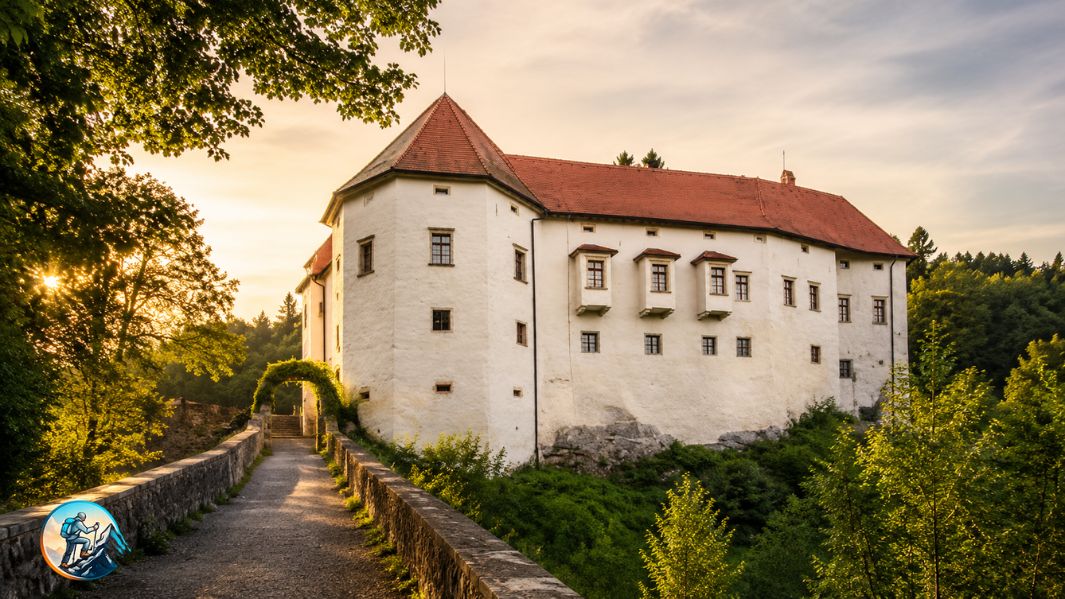
Jablje rewards travelers looking beyond Slovenia’s headline attractions. Set near Loka pri Mengšu, the area is best known for Jablje Castle, a historic residence surrounded by greenery and quiet countryside. It is not a destination built around crowds, souvenir shops, or schedules. Instead, Jablje offers something valuable: stillness. For visitors exploring Central Slovenia, it can become a cultural detour where architecture, local history, and rural scenery meet without feeling overproduced.
Why Jablje Is Worth Visiting
Is Jablje worth adding to a Slovenia itinerary? Yes, if you enjoy historic castles, peaceful landscapes, photography, and places that feel more local than famous. The landmark stands above Loka pri Mengšu on the western edge of the Mengeš Plain. Its roots reach into the medieval period, while the building travelers see today developed through Renaissance and later Baroque influences. The white walls, red-tiled roof, courtyard, towers, stone approaches, and wooded surroundings create an elegant scene. Places like this are memorable because they leave room for curiosity without telling you what to feel.
The Story Behind Jablje Castle
Historical records mention Jablje Castle as early as 1268, and the structure was reshaped into a Renaissance residence around the sixteenth century. Various noble families influenced its history, and a later restoration helped preserve the building for modern use. One notable artistic feature is associated with Franc Jelovšek, a Slovenian Baroque painter whose fresco work adds cultural value to the interior. Today, the castle is used for institutional and diplomatic activities, so travelers should remember it is not an open-access tourist attraction. Access can vary, so plan if seeing the interior is a priority.
What Makes Jablje Special for Slow Travelers
The strongest reason to visit is not a checklist of attractions; it is the atmosphere. Jablje suits travelers who prefer slow travel, heritage walks, peaceful photography, and time away from busy city streets. The castle’s location near woodland and open countryside gives the surroundings a softer pace than central Ljubljana. The setting can appeal to people interested in Slovenian architecture and rural heritage. A travel rule I like is, “The best places do not always demand your attention; sometimes they quietly earn it.” Jablje fits that idea, encouraging you to notice the stonework, trees, changing light, and the castle’s relationship to the landscape.
How to Plan a Visit to Jablje
For most international visitors, Ljubljana is the easiest base. Jablje is close enough for a half-day excursion without changing hotels or reorganizing an entire itinerary. Traveling by car offers flexibility, particularly if you want to explore more countryside. Before leaving, confirm current access arrangements, event schedules, and whether castle interiors are open to individual visitors. Do not assume every historic building operates like a conventional museum. Comfortable walking shoes are useful for outdoor paths and uneven surfaces. Carry water, keep your camera ready, and allow more time than the map suggests; the pleasure here comes from wandering rather than rushing.
Best Time to Experience Jablje
Spring and early autumn are especially appealing because the Central Slovenian countryside feels fresh, colorful, and comfortable for walking. Summer brings longer daylight, which helps travelers combine Jablje with a broader day out, though midday warmth may make slower sightseeing preferable. Winter can create a quieter, more atmospheric appearance, but shorter daylight and changing weather require planning. Photographers should consider morning or late-afternoon light, when the pale castle walls and surrounding trees can look particularly expressive. Whatever the season, check the forecast and local access conditions before departure, especially if your main goal is photography or an interior visit.
Practical Tips for a Better Jablje Visit
Do not arrive expecting a major commercial attraction. Come for cultural heritage, architecture, landscape, and a peaceful change of pace. Keep noise low around institutional areas, respect restricted sections, and avoid blocking entrances while taking photographs. If traveling with children, treat the visit as a short heritage stop rather than all-day entertainment. Couples and solo travelers may appreciate the calm setting most, while history lovers can spend more time studying architectural details. Budget travelers can also enjoy the area because the experience is less about spending and more about exploring carefully.
A Small Slovenian Place That Stays With You
Jablje proves that memorable travel does not require famous landmarks or a full-day itinerary. Its castle, countryside setting, and understated historical character offer a gentler way to experience Slovenia beyond the capital’s busiest streets. Plan with realistic expectations, verify access before traveling, and permit yourself to move slowly. You may arrive because you saw a castle on a map, but you are more likely to remember the silence around it, the old stone beneath your feet, and the feeling of discovering somewhere still pleasantly unhurried.
You May Read Also: See More, Spend Nothing: Free Things To Do In Manchester for an Unforgettable City Break

i m m e d: The Surprising Meaning, Uses, and Importance of This Abbreviation

Rise Broadband: The Ultimate Guide to Reliable Internet, Plans, Speeds, and Benefits in 2026

PMV Explained: Essential Meanings, Uses, and Real-World Examples

FASB Staff Position: Essential Guide to Its Purpose, Importance, and Impact on Accounting

Samara Zane: The Remarkable Story of Lorraine Toussaint’s Daughter, Family Life and Background

Beau Laughlin: The Remarkable Career, Marriage, and Inspiring Success Story of Lindsey Gort’s Husband

Michael Rabe: The Remarkable Journey of Lily Rabe’s Talented Brother and Playwright

Sulina Frost: A Closer Look at Adam Frost’s Wife, Family Life and Business Career

Sam Handel: Inside His Creative Career, Family Life, and Marriage to Lauren Ambrose

Naples travel guide: discover art, history and panoramic views
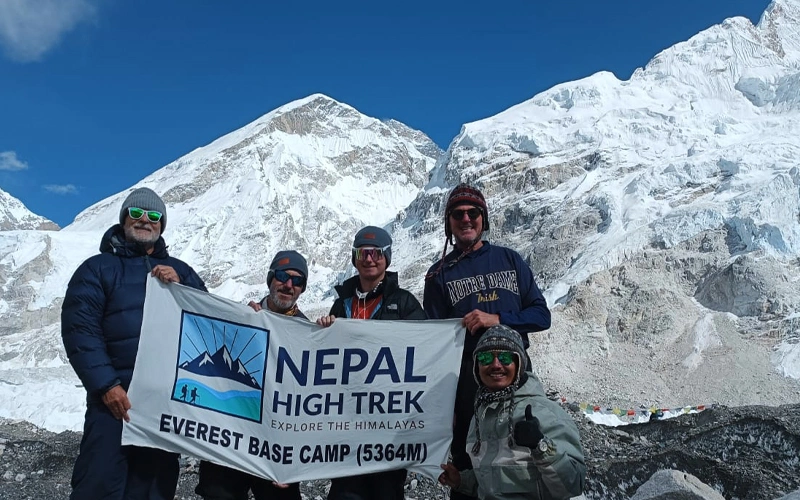
Everest Base Camp Trek vs Manaslu Circuit Trek: Routes, Difficulty, Costs, Altitude and Mountain Experience

Classroom 15x: The Ultimate Guide to Free Online Games, Features, Benefits, and Safe Gaming

Crackstube Explained: A Complete Guide to Its Features, Content, Safety, and Digital Publishing Platform

Startup Booted Fundraising Strategy: A Powerful Guide to Smart Funding and Sustainable Business Growth

Provascin: A Complete Guide to Its Ingredients, Potential Benefits, Uses, and Safety

Jeremy Yaffe: The Remarkable Untold Story of Alan Arkin’s First Wife and Her Life Beyond Hollywood

How Dental Implant Quotes Are Built: A Practical Cost Guide for Maple Grove, Minnesota

HMJones.net Explained: A Complete Guide to Business Loans, Funding Options, and Smarter Financial Decisions

ABS Testauslösung: Bedeutung, Funktion, häufige Fehler und wichtige Sicherheitstipps

Pedal And Post Collapse: The Shocking Closure of Oxford’s Pioneering Green Delivery Company
i m m e d: The Surprising Meaning, Uses, and Importance of This Abbreviation
Rise Broadband: The Ultimate Guide to Reliable Internet, Plans, Speeds, and Benefits in 2026
PMV Explained: Essential Meanings, Uses, and Real-World Examples
FASB Staff Position: Essential Guide to Its Purpose, Importance, and Impact on Accounting
Samara Zane: The Remarkable Story of Lorraine Toussaint’s Daughter, Family Life and Background
Beau Laughlin: The Remarkable Career, Marriage, and Inspiring Success Story of Lindsey Gort’s Husband
Michael Rabe: The Remarkable Journey of Lily Rabe’s Talented Brother and Playwright
Sulina Frost: A Closer Look at Adam Frost’s Wife, Family Life and Business Career
Sam Handel: Inside His Creative Career, Family Life, and Marriage to Lauren Ambrose
Naples travel guide: discover art, history and panoramic views
-
 Blog3 months ago
Beyond the Cages: How an Artificial Zoo Could Redefine Wildlife Travel
-
 Destination Guides3 months ago
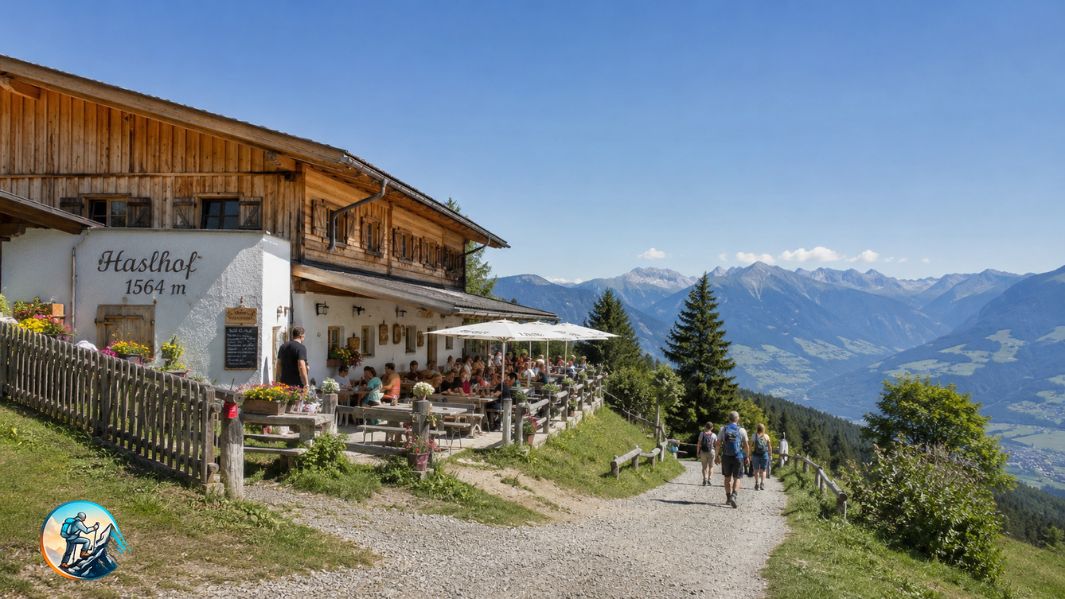
Beyond the Map: Discovering Haslhof in Italy and Bavaria
-
Adventure Travel3 weeks ago
Everest Base Camp Trek vs Manaslu Circuit Trek: Routes, Difficulty, Costs, Altitude and Mountain Experience
-
 Entertainment2 weeks ago
Classroom 15x: The Ultimate Guide to Free Online Games, Features, Benefits, and Safe Gaming