

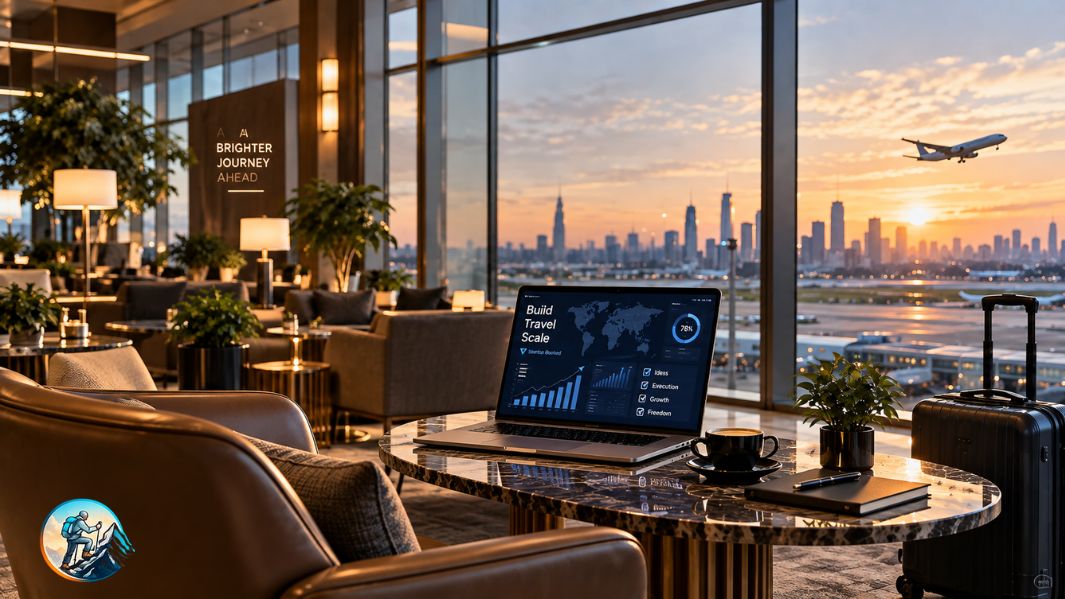
Why Startup Booted Matters for Founders Who Travel
Startup Booted is best understood as a business-growth and startup-support concept, not a travel service. Yet its focus on planning, financial discipline, market research, and fundraising preparation connects naturally with founders who travel for meetings, conferences, investor conversations, and remote work. For an entrepreneur on the move, travel is rarely just sightseeing. It often involves building relationships, testing markets, and protecting momentum while away from home.
The smartest approach is to treat every trip like a business project. Before booking a flight, decide what the journey must achieve. That may mean meeting potential partners, attending an industry event, researching a new city, or finding uninterrupted time for strategic planning. A clear purpose keeps business travel focused and prevents unnecessary spending.
Planning Founder Travel with a Startup Booted Mindset
A practical Startup Booted mindset begins with preparation. Founders should map expected costs before departure, including transport, accommodation, local travel, meals, event fees, coworking passes, mobile data, and emergency expenses. This supports travel budgeting and keeps an exciting trip from becoming a financial distraction.
The best work trips also leave breathing room. Packing every hour with meetings sounds productive, but delays, traffic, fatigue, and time-zone changes can quickly damage a tight schedule. Build buffer time between important appointments, and choose accommodation near your meeting area.
Using Startup Booted Principles for Remote Work
Startup Booted is associated with structured business planning, and that same discipline helps with remote work. A founder traveling with a laptop should know where reliable internet is available, how files will be backed up, and when calls are scheduled. A quiet hotel desk, coworking space, or business lounge may be worth more than a cheaper room with poor connectivity.
Keep essential documents stored securely, use strong account protection, and avoid relying on unknown public Wi-Fi for sensitive work. Carry a power bank, charging adapters, and an offline copy of your itinerary. These steps make remote work travel more resilient.
Choosing Destinations for Business and Opportunity
Not every destination suits every startup. Choose cities based on the people, events, customers, or industries relevant to your goals. A technology founder may value startup communities and conferences, while a retail entrepreneur might prioritize trade shows, suppliers, or consumer markets.
This is where market research becomes part of travel planning. Before you go, research local business districts, transport systems, event venues, meeting etiquette, and costs. If exploring a possible market, observe how customers shop, commute, pay, and interact with competing services. Travel can reveal details that spreadsheets often miss.
Startup Booted Travel Questions to Ask Before Booking
Ask four questions: What is the business purpose of this trip? Who do I need to meet? What is the maximum sensible budget? What result would make the journey worthwhile? These questions turn vague plans into measurable objectives and help founders decide whether a trip is necessary or a video call would do.
Staying Productive Without Missing the Destination
Founder travel should not become a punishment. Productivity matters, but constant work can make a trip exhausting and reduce decision quality. Protect sleep, eat properly, walk between meetings when practical, and reserve time to experience the place.
A useful rule is to schedule demanding work during your strongest hours and leave flexible tasks for transit periods. Use flights or train journeys for reading, notes, or offline planning rather than assuming reliable internet will always be available.
One line I often return to is, “Travel should expand your perspective, not just your calendar.” For founders, that means paying attention to the city around you. A conversation with a local operator, a different payment habit, or a crowded neighborhood service can trigger a better business question than another hour in a meeting room.
Common Founder Travel Mistakes to Avoid
The biggest mistakes are simple: booking too late, underestimating local transport, ignoring rest, carrying unnecessary equipment, and arranging meetings across different city areas. Another common problem is treating every networking opportunity as essential. Quality matters more than quantity.
Keep receipts organized, separate personal and business expenses, confirm meeting locations the day before, and have a backup plan if transport fails. Good travel logistics protect both time and cash.
Final Thoughts
Startup Booted may belong to the startup-growth world, but the habits behind structured planning translate well to founder travel. Set a purpose, control costs, research the destination, protect your work setup, and leave space to think. Business travel becomes more valuable when every journey has a clear reason.
For founders building while moving, the goal is not to travel more. It is to travel with intention, return with better information, stronger relationships, and a clearer next step.
You May Read Also: Travel Smarter Online: What almawadahit.com Can and Cannot Offer Modern Explorers