

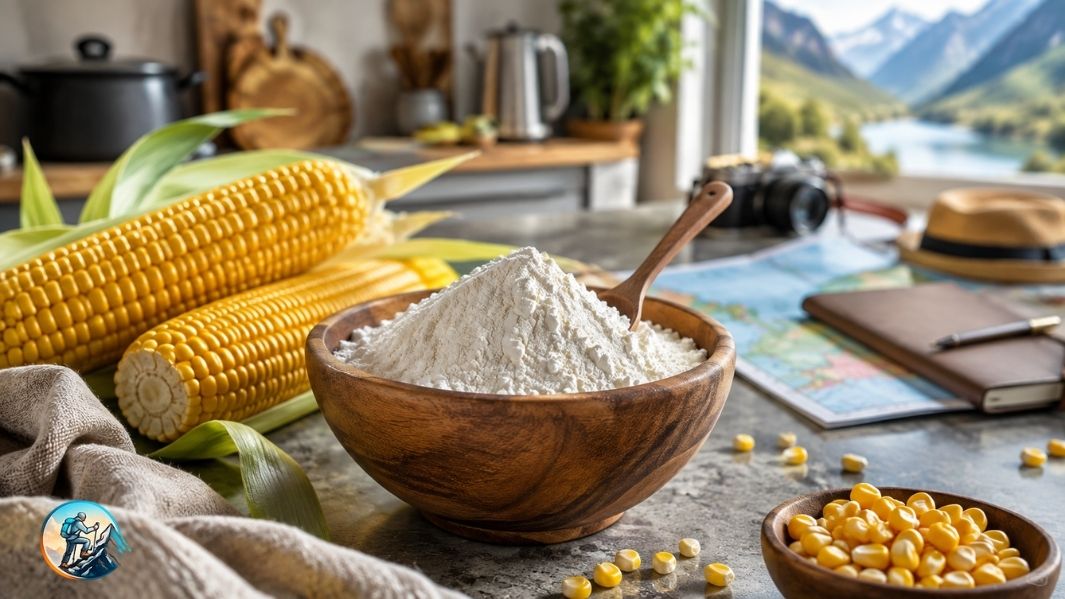
Travel often teaches us that familiar ingredients can look surprisingly different once we cross a border. Starch OF Maize, better known in many places as cornstarch or maize starch, is a perfect example. Travelers using self-catering apartments, campervans, hostels, or long-stay accommodation may struggle to recognize it on supermarket shelves. Understanding the local name, packaging, and uses can save time and prevent recipe mistakes. For food-minded travelers, even a simple pantry ingredient can help you learn how another country shops, cooks, and describes everyday food.
Why Starch OF Maize Matters to Travelers
The biggest travel challenge is usually terminology. One packet may say cornstarch, while another may use maize starch, corn flour, or a translated local term. The safest approach is to check the ingredient description rather than relying only on the front label. Travelers preparing sauces, soups, desserts, gravies, or quick meals often need a thickening ingredient, and maize starch is compact and useful in a travel kitchen.
Supermarket visits can reveal as much about a destination as restaurant menus. Reading unfamiliar labels and comparing local brands turns a practical errand into a small cultural experience. I often keep this thought in mind: “The best travel discoveries are sometimes hidden on ordinary shelves.”
How to Recognize Starch OF Maize in Foreign Supermarkets
Start in the baking aisle, flour section, or area where dessert ingredients are sold. Look for a fine white powder labeled with terms connected to corn or maize. Translation apps can help, but checking the ingredient list is still worthwhile. If you are unsure, asking a shop employee for “cornstarch for thickening sauce” is often clearer than repeating a brand name that may not exist locally.
Packaging varies by destination. Some stores sell maize starch in boxes, while others sell it in small packets. Do not automatically confuse it with cornmeal, which is generally more granular, or with ordinary wheat flour. When a recipe relies on starch for texture, choosing the right ingredient matters.
Cooking With Maize Starch While Traveling
For travelers staying somewhere with a basic kitchen, maize starch can be a convenient multipurpose ingredient. It can thicken soups, stews, pan sauces, fruit fillings, and simple desserts without requiring a long shopping list. A little can also improve texture when cooking with limited equipment.
A useful technique is to mix the starch with a small amount of cool liquid before adding it to a hot dish. This helps reduce clumps and gives you better control over thickness. Add the mixture gradually. Travel kitchens often have unfamiliar pans and inconsistent heat, so patience matters more than perfect measurements.
Smart Packing and Storage Tips
If you plan to carry maize starch between destinations, keep it in its original sealed packaging whenever possible. This makes identification easier during luggage inspections and avoids carrying loose, unmarked white powder. Before crossing international borders, check the customs and baggage rules for food products on your route.
Once opened, keep it dry, tightly sealed, and away from strong odors. Humid kitchens can make powders clump, especially in tropical destinations. A resealable bag around the original packet gives extra protection inside a backpack or suitcase.
Where Food Travel Makes This Ingredient Interesting
Maize has an important culinary presence in many parts of the world, while maize starch is now widely used in everyday cooking. For travelers, the interesting part is not simply finding the powder; it is noticing how local cooks use thickening, texture, and grain-based ingredients differently.
A market visit in Mexico, a grocery stop in Britain, or a rented kitchen elsewhere can reveal distinct language and culinary traditions surrounding corn-based products. Rather than assuming every “corn” product is interchangeable, compare the texture, labeling, and intended use. That small habit can improve your cooking and deepen your understanding of local food culture.
Common Travel Questions About Maize Starch
Can I buy it abroad? Usually, yes, especially in larger supermarkets and baking sections.
Is cornstarch the same thing? In everyday culinary use, cornstarch generally refers to starch derived from corn (maize).
Should I pack it from home? Only if you expect to cook frequently or need it for a specific recipe. Buying locally is often easier.
Can I take it through an airport? Rules vary by country and route, so keep it labeled and check relevant customs and baggage requirements before departure.
Final Thoughts
Travel becomes richer when we notice details. Starch of maize may not sound like a travel topic at first, but searching for it abroad can teach you about local language, supermarket habits, cooking traditions, and self-catering. Learn the common names, read labels carefully, store it properly, and treat grocery shopping as part of the journey. Sometimes the smallest ingredient gives you a memorable window into life somewhere new.
You May Read Also: Before You Travel to Merfez: A Smarter Guide to the Place Behind the Search