
Business
Comerica Web Banking: Essential 2026 Guide to Online Banking, Login, Features, and Security

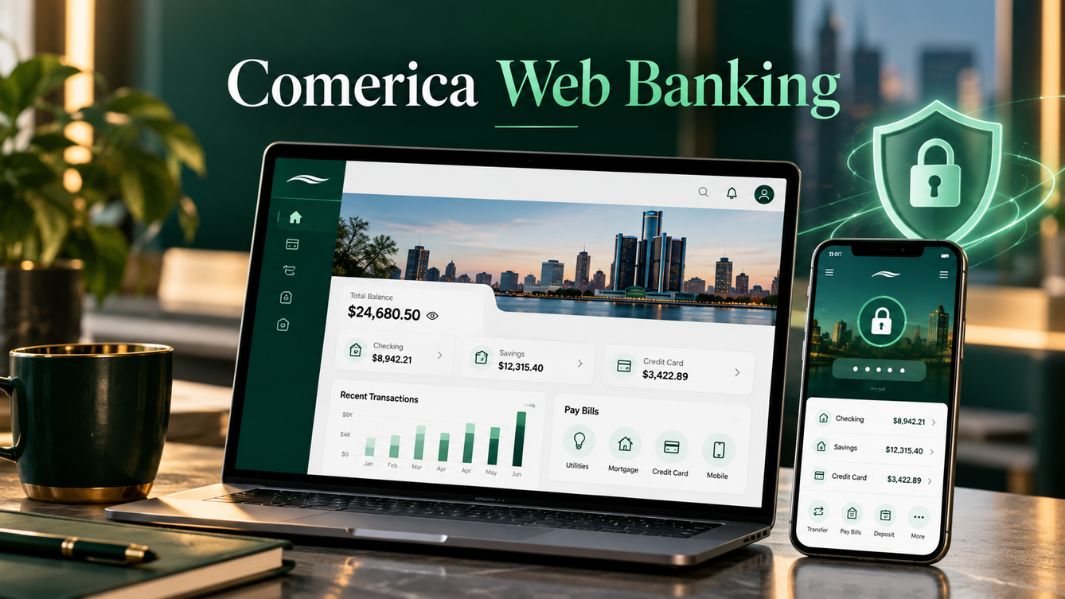
Online banking has transformed how people manage their money, making everyday financial activities more convenient and accessible. From checking balances to scheduling payments, customers increasingly expect banking services to fit their schedules, not the other way around. Comerica Web Banking was designed around this expectation, giving personal and business customers a practical way to manage their finances without regularly visiting a banking center.
However, an important development changed the banking experience for Comerica customers in 2026. After Comerica merged with Fifth Third Bank, customers began transitioning to Fifth Third’s digital banking platforms. This change introduced new account access procedures, updated mobile banking services, and additional financial management tools.
Understanding how the original platform worked and what has changed is essential for customers looking to access their accounts confidently. This guide explains the former service, the updated login process, available banking features, security practices, and practical ways to manage accounts following the transition.
What Is Comerica Web Banking?
Comerica Web Banking was an online financial management service offered by Comerica Bank. It let eligible customers access their banking information from an internet-connected device, reducing their dependence on traditional branch visits. Through the platform, customers could monitor checking and savings accounts, review transactions, make eligible transfers, manage electronic statements, and use online bill payment services.
One of its greatest advantages was convenience. Customers could review financial activity outside normal banking hours and handle routine transactions from home, work, or another suitable location. The platform also supported account monitoring and security notifications, helping users identify important changes to their banking information.
Comerica offered digital services for both personal and business customers, although specific capabilities depended on the account type. Following the 2026 banking transition, most customers now use Fifth Third’s online and mobile banking services instead of the original Comerica system.
The Important 2026 Comerica and Fifth Third Banking Transition
The biggest change affecting Comerica customers occurred when Fifth Third Bancorp completed its merger with Comerica on February 1, 2026. The companies subsequently worked to combine their operations, technologies, and customer banking services into a unified platform.
On September 8, 2026, Fifth Third announced it completed its major technology and brand conversion, which involved about 600,000 customer accounts and 293 banking centers. This marked an important turning point for existing Comerica customers, particularly those accustomed to the former online banking system.
As a result, customers with transitioned deposit and lending accounts can now manage their finances through Fifth Third Online and Mobile Banking. They receive access to updated digital services, account management features, and the bank’s broader banking network. Some specialized services, including certain investment and trust accounts, follow separate transition schedules.
For anyone searching for the original Comerica login, this distinction matters. Following outdated instructions or assuming old credentials will work on the replacement platform can create unnecessary confusion.
How to Access Your Comerica Account After the Transition
Customers whose accounts have moved to Fifth Third must complete the updated online banking enrollment process. The bank requires former Comerica users to create new Fifth Third login credentials rather than use their previous Comerica username and password.
To begin, customers should visit Fifth Third’s official website directly and find the online banking enrollment section. The registration process lets you verify your identity using an eligible Comerica debit card and PIN. Customers without those details may use their account number and Social Security number through the bank’s approved one-time verification process.
After completing identity verification, users create a new username and password, follow the remaining setup instructions, and establish their preferred banking settings. Once enrollment is complete, they can access their eligible accounts through a supported web browser or the Fifth Third mobile application.
Customers should always use the bank’s verified website or official application rather than unfamiliar login pages found through advertisements, emails, or unsolicited messages.
Main Features of Comerica Web Banking and Its Digital Banking Successor
Account Balances and Transaction Monitoring
A central feature of the former Comerica platform was its ability to display key account information in one place. Customers could check available balances, review recent transactions, and track financial activity without waiting for printed statements.
The successor banking experience still supports these essential activities. Through Fifth Third’s digital tools, eligible users can review their checking and savings information, monitor deposits and withdrawals, and identify unfamiliar transactions.
Regular account monitoring also supports better money management. By reviewing spending patterns and account balances, customers can spot recurring expenses, prepare for upcoming payments, and stay more aware of their financial position.
Online Bill Payments
Online bill payment remains an important feature for customers who prefer managing household expenses digitally. The original Comerica Web Bill Pay service allowed eligible customers to organize payments to businesses and other payees without routinely writing checks.
Fifth Third also offers online bill payment. Customers with eligible checking accounts can establish payees, schedule payments, and arrange recurring transactions for predictable expenses such as utilities, insurance, and other regular bills.
This approach can simplify monthly financial planning, particularly for households managing several payment deadlines. Nevertheless, customers should review their scheduled payments after transitioning to a new banking system and confirm that important payee information remains accurate.
Transfers Between Bank Accounts
Moving funds between accounts is another essential part of digital banking. The previous Comerica system supported eligible one-time, future-dated, and recurring transfers, including certain transactions involving external financial institutions.
Following the transition, customers can use Fifth Third’s supported transfer services to manage money between eligible accounts. Available transfer methods, processing times, limits, and potential charges depend on the transaction and applicable banking terms.
For customers who regularly move funds into savings, automated transfers can make financial planning more consistent. However, check account details carefully before submitting a transaction, especially when transferring money to another financial institution.
Electronic Statements and Financial Records
Digital statements offer a practical way to maintain banking records without accumulating paperwork. Through the former Comerica service, customers could access electronic statements and review account history for recordkeeping, budgeting, and financial organization.
During the September 2026 conversion, Fifth Third reported that six months of transaction history and 24 months of account statements were transferred for affected customers, along with existing paperless statement preferences.
This continuity helps when reviewing past payments, preparing financial documents, or reconciling personal accounts. Customers should nevertheless verify that the records they need are available and download important statements for their own files when appropriate.
Electronic statements can also reduce the need for physical storage, but customers should keep secure backups and avoid leaving sensitive banking files on shared computers.
Security Features and Safe Online Banking Practices
Financial security is one of the most important considerations when managing money online. Comerica’s original digital services incorporated security controls, account-related notifications, and authentication measures to protect customer information.
Fifth Third provides security tools designed to help customers monitor suspicious activity, manage account alerts, and protect their financial details. Its digital banking services include notifications about account changes, payment activity, and potential fraud.
However, secure banking requires responsible customer behavior alongside technical protection. Users should create unique passwords, keep their devices updated, and avoid sharing authentication codes with others.
Phishing attempts deserve particular attention during banking transitions. Fraudsters may impersonate financial institutions through convincing emails, text messages, or websites. Customers should not provide passwords or PINs in response to unexpected messages, and they should verify any suspicious communication through an official banking channel.
Mobile Banking and Everyday Convenience
The transition to Fifth Third also gives former Comerica customers access to the bank’s mobile banking application. This provides another way to manage eligible accounts on the go.
Depending on eligibility and account settings, mobile features include checking account balances, transferring funds, depositing checks, managing statements, receiving alerts, and making supported digital payments. These capabilities can help customers who travel frequently or prefer completing financial tasks on their smartphones.
Mobile check deposit is especially convenient because customers can submit eligible checks electronically without visiting a physical bank. Processing conditions, deposit limits, and funds availability rules still apply.
The main advantage is flexibility. Customers can choose between web-based banking and mobile access based on the transaction, device, and their preferences.
Comerica Web Banking for Small Business Customers
Small businesses previously used Comerica’s digital banking services to monitor company accounts, organize payments, and manage everyday cash flow. For business owners, online account access reduced administrative work and improved visibility into financial transactions.
The 2026 transition also changed business banking access. Some former Comerica customers now use Fifth Third’s standard online banking services, while businesses requiring specialized treasury management or commercial banking capabilities may use Fifth Third Direct.
Business customers should confirm which platform supports their particular accounts and services. Companies handling payroll, vendor payments, accounting records, and other time-sensitive transactions may also need to review account permissions and payment instructions following the conversion.
Maintaining accurate financial records and separating personal and business transactions remain important practices regardless of the digital banking platform being used.
What Happened to Existing Comerica Account Numbers and Payments?
One common concern following a banking merger is whether customers must immediately replace their existing banking information.
Fifth Third has indicated that existing Comerica checks, debit cards, and direct deposits generally continue working for transitioned consumer accounts. Checking and savings account numbers and routing numbers also generally remain unchanged unless customers have received specific instructions otherwise.
However, some account types, including certificates of deposit and loans, may have updated account numbers. Customers should review bank communications and confirm the details in their online account profiles.
The transition arrangements also covered previously scheduled payments and recurring transfers, but it’s still wise to check important transactions.
Common Login Problems and How to Resolve Them
Customers sometimes experience difficulty accessing digital banking services, especially following changes to account systems. Common problems include using outdated credentials, entering incorrect passwords, having trouble verifying your identity, or trying to access an old banking portal.
For former Comerica users, the first troubleshooting step is to confirm they completed Fifth Third’s new enrollment process. Previous Comerica credentials should not be assumed to work on the new platform.
If a customer has forgotten a newly created password, the official password recovery process should be used. Browser-related issues may sometimes improve after updating the browser, checking the internet connection, or clearing outdated website information.
Report persistent problems involving locked accounts, missing transactions, or unsuccessful identity verification directly to the bank through verified support channels.
Fees, Limitations, and Important Considerations
Digital banking can reduce the time and effort of everyday banking, but customers should not assume every transaction is free or processed immediately.
The original Comerica platform advertised access to eligible accounts without a separate monthly web banking service fee, while certain external transfers and expedited payment services could involve additional charges.
After the transition, customers should review current Fifth Third account agreements and service disclosures rather than relying solely on the former Comerica fee structure.
Charges, transaction limits, processing schedules, and eligibility requirements may vary by account type and selected services. Understanding these conditions before initiating a payment or transfer can help customers avoid unexpected expenses.
Why Staying Informed About Digital Banking Changes Matters
Banking technology continually evolves, and mergers can change familiar services. Customers who understand these developments are better positioned to avoid unnecessary login problems, identify suspicious communications, and take advantage of available account management tools.
Former Comerica customers should keep their contact information up to date, review official banking notices, and become familiar with the replacement digital platform.
Regularly monitor accounts, check recurring payments, and review security preferences to make the transition easier to manage. Customers with specialized investment or trust services should pay particular attention to their separate transition instructions, including changes scheduled for November 2026.
Conclusion
Comerica Web Banking provided customers with a convenient way to manage financial activities online, from reviewing transactions to scheduling payments and accessing banking records. Its focus on accessibility made everyday banking more flexible for personal and business customers.
The 2026 integration with Fifth Third represents a major change in how former Comerica customers access these services. With deposit and lending accounts largely transitioned to Fifth Third’s digital platforms, customers now need to understand the updated enrollment process, available features, and security requirements.
Ultimately, successful digital banking depends on combining useful technology with careful financial habits. By using verified login channels, monitoring account activity, and staying informed about service changes, customers can continue managing their finances with greater convenience, awareness, and confidence.

Emma Poppy Deyes: The Inspiring Story of Poppy Deyes, Her Career, Family, and Lifestyle Brand

Laura Sherriff: The Inspiring Story of Craig Phillips’ Wife, TV Presenter and DIY Entrepreneur

Classroom 15x: The Ultimate Guide to Free Online Games, Features, Benefits, and Safe Gaming

Crackstube Explained: A Complete Guide to Its Features, Content, Safety, and Digital Publishing Platform

Nomurano: Discover the Powerful Meaning Behind Modern Creativity, Design, and Intentional Living

Instagram Video Downloader: The Ultimate Guide to Saving Instagram Videos Safely and Easily

Provascin: A Complete Guide to Its Ingredients, Potential Benefits, Uses, and Safety

Tikcotech Explained: Powerful Features, Digital Tools, Benefits, and Everything You Should Know

Cristher: A Complete Guide to Premium Outdoor Lighting, Innovative Design, and Architectural Solutions

HMJones.net Explained: A Complete Guide to Business Loans, Funding Options, and Smarter Financial Decisions
Nomurano: Discover the Powerful Meaning Behind Modern Creativity, Design, and Intentional Living
Crackstube Explained: A Complete Guide to Its Features, Content, Safety, and Digital Publishing Platform

Everest Base Camp Trek vs Manaslu Circuit Trek: Routes, Difficulty, Costs, Altitude and Mountain Experience

Mindset Energy: The Powerful Secret to Better Focus, Confidence, and Personal Growth

iProwess: Discover the Innovative Audio Brand Combining Smart Sound, Lighting, and Modern Technology
Master Information Block: The Essential Guide to Understanding 4G and 5G Network Communication
Instagram Video Downloader: The Ultimate Guide to Saving Instagram Videos Safely and Easily

Plan Better Family Adventures With Thomsonkids.com: Ideas for Easier, Happier Travel
HMJones.net Explained: A Complete Guide to Business Loans, Funding Options, and Smarter Financial Decisions

Discover Europe Differently: How European Active Projects Are Reshaping Modern Travel
Emma Poppy Deyes: The Inspiring Story of Poppy Deyes, Her Career, Family, and Lifestyle Brand
Laura Sherriff: The Inspiring Story of Craig Phillips’ Wife, TV Presenter and DIY Entrepreneur
Classroom 15x: The Ultimate Guide to Free Online Games, Features, Benefits, and Safe Gaming
Crackstube Explained: A Complete Guide to Its Features, Content, Safety, and Digital Publishing Platform
Nomurano: Discover the Powerful Meaning Behind Modern Creativity, Design, and Intentional Living
Instagram Video Downloader: The Ultimate Guide to Saving Instagram Videos Safely and Easily
Provascin: A Complete Guide to Its Ingredients, Potential Benefits, Uses, and Safety
Tikcotech Explained: Powerful Features, Digital Tools, Benefits, and Everything You Should Know
Cristher: A Complete Guide to Premium Outdoor Lighting, Innovative Design, and Architectural Solutions
HMJones.net Explained: A Complete Guide to Business Loans, Funding Options, and Smarter Financial Decisions
-
Technology15 hours ago
Crackstube Explained: A Complete Guide to Its Features, Content, Safety, and Digital Publishing Platform
-
Blog15 hours ago
Nomurano: Discover the Powerful Meaning Behind Modern Creativity, Design, and Intentional Living
-
 Blog2 months ago
Beyond the Cages: How an Artificial Zoo Could Redefine Wildlife Travel
-
Adventure Travel1 week ago
Everest Base Camp Trek vs Manaslu Circuit Trek: Routes, Difficulty, Costs, Altitude and Mountain Experience