
Budget Travel
Plan Better Family Adventures With Thomsonkids.com: Ideas for Easier, Happier Travel

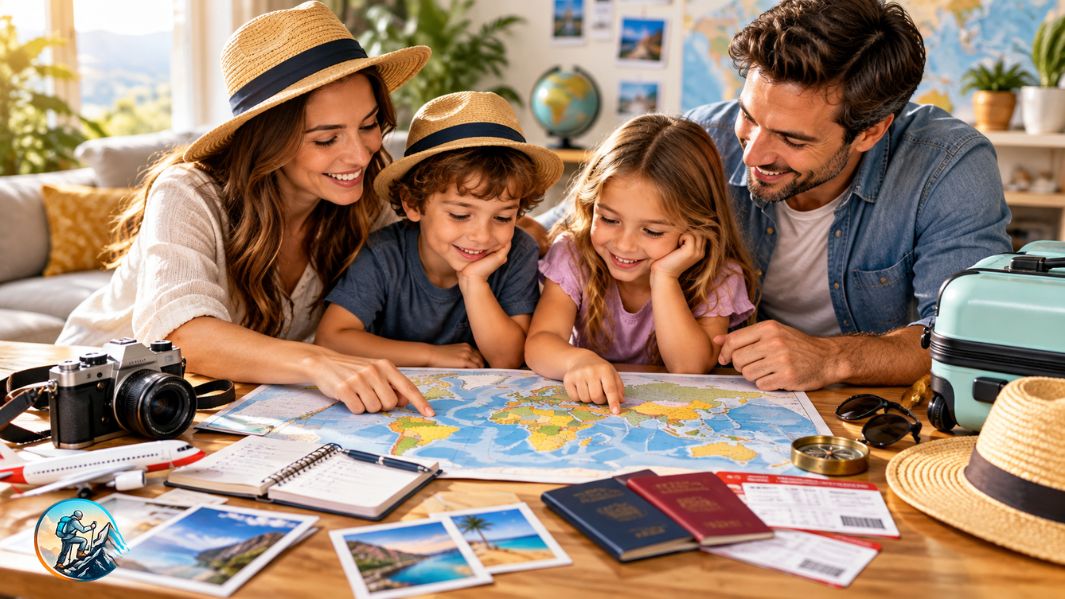
Family travel sounds exciting until the practical questions begin. Where should you go? How do you keep children interested without exhausting everyone? What should you pack, how much should you budget, and how can you avoid turning a holiday into a timetable of stressful transfers? Thomsonkids.com can be a good starting point for families who want ideas before they travel, especially when planning involves destinations, logistics, and learning.
The best way to use any digital travel resource is not to search for one perfect answer. Use it to build a clearer picture of the journey you want. Family trips often work best when adults plan the essentials but leave enough breathing room for children to experience a place at their own pace. As the travel saying goes, “Take only memories, leave only footprints.” With children, I would add one thought: leave room for curiosity.
Why Thomsonkids.com Can Fit Into Family Travel Planning
A useful family trip begins long before you close the suitcase. Destination ideas, practical guides, and cultural explainers can help parents turn a vague holiday plan into a realistic family travel itinerary. Thomsonkids.com is best used as an information source to support early research, not as a substitute for official transport, visa, accommodation, or safety information.
Parents often waste time browsing without deciding what they actually need. Start with four questions: What does your family enjoy doing? How long can the children comfortably travel each day? What is your realistic travel budget? Which activities suit their ages? Answering those questions first makes later decisions easier.
Using Thomsonkids.com to Inspire Child-Friendly Travel Ideas
When browsing travel content, look for ideas that connect with your children’s interests. A child fascinated by animals may enjoy wildlife parks, coastal reserves, or nature trails. A history lover may prefer castles, museums, and old towns. Active families might choose cycling routes, beaches, mountain walks, or outdoor attractions. This creates child-friendly destinations around personality rather than trends.
It is also smart to involve children in planning. Give them two or three realistic choices and let them pick one activity. That small decision can create excitement and reduce complaints later. For me, this turns a family holiday into a shared adventure rather than an adult-designed schedule.
Build a Practical Trip Around Comfort, Cost, and Time
Good planning is less about filling every hour and more about protecting energy. Avoid scheduling a major attraction immediately after a long flight or train journey. Keep the first day light with younger children. Choose accommodation with easy transport access, nearby food options, and enough space for normal routines. These details often matter more than luxury.
For budget family travel, compare the full daily cost, not just the headline room price. A cheaper hotel far from the center may require expensive taxis or long commutes. A higher-priced apartment with a kitchen may reduce restaurant spending. Early transport bookings can help, but flexibility sometimes matters more with children. Keep an emergency buffer for medicine, replacement clothing, unexpected transport, or sudden changes.
Pack for Problems You Can Predict
A sensible family packing list should cover comfort before fashion. Carry refillable water bottles, basic medication allowed in your destination, chargers, small snacks, wipes, lightweight layers, copies of identification, and one familiar item for younger children. Keep essential documents and a change of clothes in hand luggage when flying.
Do not overpack entertainment. A tablet can help during a long journey, but a notebook, cards, travel games, or a child-friendly camera can encourage engagement with the destination. The goal is not to eliminate boredom; sometimes boredom helps children notice the world around them.
Turn Every Journey Into a Learning Experience
Travel naturally creates opportunities for educational family travel. Encourage children to learn a few local words, recognize a traditional dish, understand basic etiquette, or keep a short travel journal. Museums and landmarks become more meaningful when children know one or two stories before arriving.
Parents should also model respectful travel. Teach children not to disturb wildlife, climb restricted monuments, litter, or photograph people without consideration. These small habits help create thoughtful travelers.
Final Thoughts: Travel With Curiosity, Not Pressure
Thomsonkids.com can help families discover ideas, ask better questions, and prepare thoughtfully. The strongest family holidays are rarely the ones with the longest activity list. They are journeys where everyone has time to notice, explore, rest, laugh, and occasionally change the plan.
Use online inspiration to start your research, confirm key travel details through official sources before departure, and design the journey around the people taking it. A well-planned trip should make your family more curious about the world, not more tired from trying to see it all.
You May Read Also: Before Your Illinois Trip, Use Illinois Entity Search to Verify Who You’re Booking With

Emma Poppy Deyes: The Inspiring Story of Poppy Deyes, Her Career, Family, and Lifestyle Brand

Laura Sherriff: The Inspiring Story of Craig Phillips’ Wife, TV Presenter and DIY Entrepreneur

Classroom 15x: The Ultimate Guide to Free Online Games, Features, Benefits, and Safe Gaming
Crackstube Explained: A Complete Guide to Its Features, Content, Safety, and Digital Publishing Platform

Nomurano: Discover the Powerful Meaning Behind Modern Creativity, Design, and Intentional Living

Instagram Video Downloader: The Ultimate Guide to Saving Instagram Videos Safely and Easily

Provascin: A Complete Guide to Its Ingredients, Potential Benefits, Uses, and Safety

Tikcotech Explained: Powerful Features, Digital Tools, Benefits, and Everything You Should Know

Cristher: A Complete Guide to Premium Outdoor Lighting, Innovative Design, and Architectural Solutions

HMJones.net Explained: A Complete Guide to Business Loans, Funding Options, and Smarter Financial Decisions
Crackstube Explained: A Complete Guide to Its Features, Content, Safety, and Digital Publishing Platform
Nomurano: Discover the Powerful Meaning Behind Modern Creativity, Design, and Intentional Living

Everest Base Camp Trek vs Manaslu Circuit Trek: Routes, Difficulty, Costs, Altitude and Mountain Experience

Mindset Energy: The Powerful Secret to Better Focus, Confidence, and Personal Growth

iProwess: Discover the Innovative Audio Brand Combining Smart Sound, Lighting, and Modern Technology
HMJones.net Explained: A Complete Guide to Business Loans, Funding Options, and Smarter Financial Decisions

Discover Europe Differently: How European Active Projects Are Reshaping Modern Travel
Provascin: A Complete Guide to Its Ingredients, Potential Benefits, Uses, and Safety

7 Arizona Road Trips Worth Adding to Your Travel Bucket List

Master Information Block: The Essential Guide to Understanding 4G and 5G Network Communication
Emma Poppy Deyes: The Inspiring Story of Poppy Deyes, Her Career, Family, and Lifestyle Brand
Laura Sherriff: The Inspiring Story of Craig Phillips’ Wife, TV Presenter and DIY Entrepreneur
Classroom 15x: The Ultimate Guide to Free Online Games, Features, Benefits, and Safe Gaming
Crackstube Explained: A Complete Guide to Its Features, Content, Safety, and Digital Publishing Platform
Nomurano: Discover the Powerful Meaning Behind Modern Creativity, Design, and Intentional Living
Instagram Video Downloader: The Ultimate Guide to Saving Instagram Videos Safely and Easily
Provascin: A Complete Guide to Its Ingredients, Potential Benefits, Uses, and Safety
Tikcotech Explained: Powerful Features, Digital Tools, Benefits, and Everything You Should Know
Cristher: A Complete Guide to Premium Outdoor Lighting, Innovative Design, and Architectural Solutions
HMJones.net Explained: A Complete Guide to Business Loans, Funding Options, and Smarter Financial Decisions
-
Technology14 hours ago
Crackstube Explained: A Complete Guide to Its Features, Content, Safety, and Digital Publishing Platform
-
 Blog2 months ago
Beyond the Cages: How an Artificial Zoo Could Redefine Wildlife Travel
-
Blog15 hours ago
Nomurano: Discover the Powerful Meaning Behind Modern Creativity, Design, and Intentional Living
-
Adventure Travel1 week ago
Everest Base Camp Trek vs Manaslu Circuit Trek: Routes, Difficulty, Costs, Altitude and Mountain Experience