
Adventure Travel
Discover Europe Differently: How European Active Projects Are Reshaping Modern Travel

How Europe Is Changing for Active Travelers
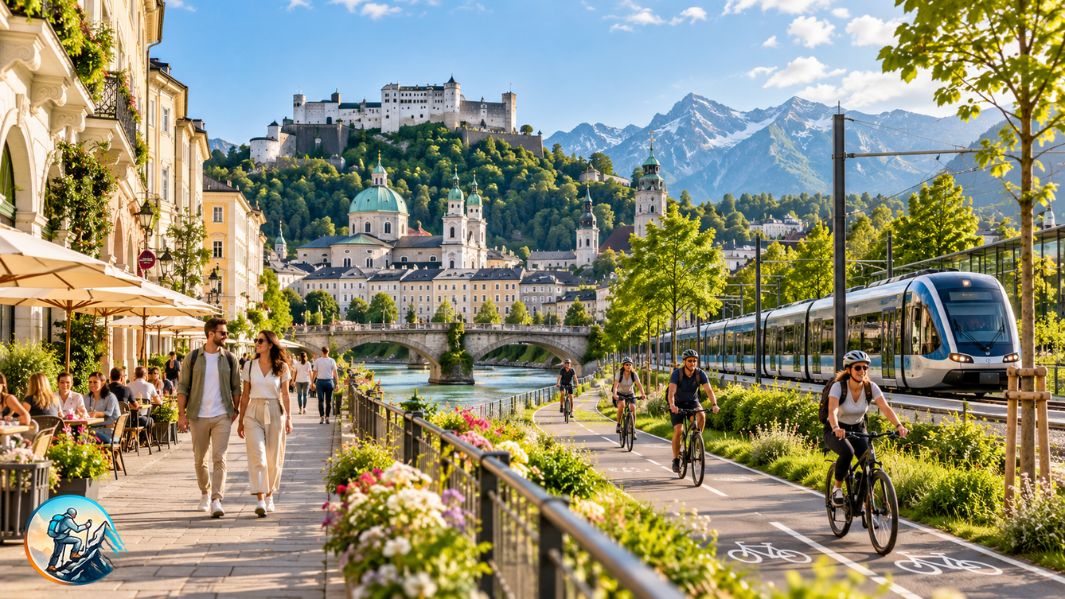
Across Europe, travel is changing in ways that are easy to miss if you focus only on famous landmarks. New cycling corridors, pedestrian zones, rail improvements, waterfront redevelopments, nature-restoration schemes, and cultural routes are reshaping how visitors move through cities and rural regions. European Active Projects is a useful travel lens for understanding these changes because many of the most interesting journeys now happen where mobility, sustainability, local culture, and public space meet.
For travelers, that means a holiday can become more than a checklist of monuments. You might arrive by train, explore a city on foot, follow a riverside cycle path, visit a restored industrial district, or spend a day in a protected landscape connected to nearby towns by public transport. These experiences often feel more personal because they place you closer to everyday European life.
Why European Active Projects Matter to Travelers
The broad idea behind European Active Projects is simple: places are investing in infrastructure and experiences that encourage people to move, explore, and spend time outdoors. Some projects focus on better cycling networks. Others improve regional rail links, revive neglected waterfronts, protect coastlines, restore green areas, or create safer walking routes through historic centers.
For tourists, the value is practical. Better connections can reduce the need for rental cars, while improved walking and cycling routes make short stays easier to plan. A visitor can often see more of a destination without rushing between taxis, parking areas, and crowded attractions.
How European Active Projects Improve Everyday Travel
The biggest advantage is flexibility. An active travel project does not have to be a huge construction scheme. A small town may create a signed hiking loop linking villages, viewpoints, and local cafés. A city may turn a former traffic-heavy street into a pedestrian-friendly public space. A coastal region may build safer access to beaches and nature reserves.
These changes can improve the travel experience while supporting local businesses. When visitors move slowly through a neighborhood, they are more likely to notice independent shops, bakeries, markets, museums, and family-run restaurants.
Active Travel and Sustainable Tourism Across Europe
European Active Projects also reflect a wider shift toward sustainable tourism. Travelers increasingly want convenient ways to reduce unnecessary driving, avoid overcrowded hotspots, and spend more time outdoors. Rail travel, cycling holidays, walking routes, and car-free city breaks fit naturally into that trend.
My own rule when planning an active European trip is to think in layers. First, choose the region, then check how easily you can arrive by rail or public transport. Next, identify one main walking, cycling, or nature experience. Finally, leave enough free time for unexpected discoveries. That last part matters. The best European trips often happen between the attractions rather than inside them.
One useful thought to carry with you is: “A memorable journey is not measured by how many places you collect, but by how closely you experience them.”
Practical Planning Before You Travel
Before traveling, check the official local transport timetable, seasonal opening periods, trail conditions, and whether trains require bicycle reservations. In mountain and coastal areas, weather can change quickly, so carry suitable footwear, water, a light waterproof layer, and an offline map.
If you are cycling, confirm whether the route uses protected lanes, shared roads, gravel tracks, or steep climbs. Families should look for flatter greenways and traffic-separated paths. Travelers with limited mobility should check surface conditions, gradients, station accessibility, and step-free connections rather than assuming every “walking route” is accessible.
Building a Better European Itinerary
For a short break, choose one city with a strong public transport network and build the trip around walking neighborhoods and nearby day excursions. For a week-long holiday, combine two or three connected places rather than crossing half the continent. Slow travel usually reduces transport stress and gives you more time to enjoy local food, scenery, and culture.
Budget travelers can save by booking regional trains early when advance fares are available, staying slightly outside famous centers, carrying a refillable bottle, and using public parks, beaches, viewpoints, and walking routes as part of the itinerary. Active travel doesn’t require expensive equipment; comfortable shoes and thoughtful planning are often enough.
A More Meaningful Way to See Europe
The most rewarding European Active Projects are not necessarily the biggest or newest. For travelers, the best ones make a destination easier to understand: a riverside route connecting old neighborhoods, a regional train opening access to smaller towns, a restored harbor where people can walk safely, or a green corridor linking parks and cultural sites.
Rather than planning only around iconic attractions, look for the infrastructure that connects them. That approach can reveal a quieter, more sustainable, and more human side of Europe. Travel becomes less about racing from landmark to landmark and more about movement, place, and discovery. For anyone planning a European trip, active projects offer a practical invitation: slow down, explore locally, and let the journey itself become part of the destination. It is also a simple way to travel with greater awareness.
You May Read Also: Travel Smarter with Neworldsmagazine.com: A Fresh Guide to Better Journeys

Emma Poppy Deyes: The Inspiring Story of Poppy Deyes, Her Career, Family, and Lifestyle Brand

Laura Sherriff: The Inspiring Story of Craig Phillips’ Wife, TV Presenter and DIY Entrepreneur

Classroom 15x: The Ultimate Guide to Free Online Games, Features, Benefits, and Safe Gaming

Crackstube Explained: A Complete Guide to Its Features, Content, Safety, and Digital Publishing Platform
Nomurano: Discover the Powerful Meaning Behind Modern Creativity, Design, and Intentional Living

Instagram Video Downloader: The Ultimate Guide to Saving Instagram Videos Safely and Easily

Provascin: A Complete Guide to Its Ingredients, Potential Benefits, Uses, and Safety

Tikcotech Explained: Powerful Features, Digital Tools, Benefits, and Everything You Should Know

Cristher: A Complete Guide to Premium Outdoor Lighting, Innovative Design, and Architectural Solutions

HMJones.net Explained: A Complete Guide to Business Loans, Funding Options, and Smarter Financial Decisions
Crackstube Explained: A Complete Guide to Its Features, Content, Safety, and Digital Publishing Platform
Nomurano: Discover the Powerful Meaning Behind Modern Creativity, Design, and Intentional Living

Mindset Energy: The Powerful Secret to Better Focus, Confidence, and Personal Growth

Everest Base Camp Trek vs Manaslu Circuit Trek: Routes, Difficulty, Costs, Altitude and Mountain Experience
HMJones.net Explained: A Complete Guide to Business Loans, Funding Options, and Smarter Financial Decisions

iProwess: Discover the Innovative Audio Brand Combining Smart Sound, Lighting, and Modern Technology
Discover Europe Differently: How European Active Projects Are Reshaping Modern Travel
Provascin: A Complete Guide to Its Ingredients, Potential Benefits, Uses, and Safety

7 Arizona Road Trips Worth Adding to Your Travel Bucket List

Master Information Block: The Essential Guide to Understanding 4G and 5G Network Communication
Emma Poppy Deyes: The Inspiring Story of Poppy Deyes, Her Career, Family, and Lifestyle Brand
Laura Sherriff: The Inspiring Story of Craig Phillips’ Wife, TV Presenter and DIY Entrepreneur
Classroom 15x: The Ultimate Guide to Free Online Games, Features, Benefits, and Safe Gaming
Crackstube Explained: A Complete Guide to Its Features, Content, Safety, and Digital Publishing Platform
Nomurano: Discover the Powerful Meaning Behind Modern Creativity, Design, and Intentional Living
Instagram Video Downloader: The Ultimate Guide to Saving Instagram Videos Safely and Easily
Provascin: A Complete Guide to Its Ingredients, Potential Benefits, Uses, and Safety
Tikcotech Explained: Powerful Features, Digital Tools, Benefits, and Everything You Should Know
Cristher: A Complete Guide to Premium Outdoor Lighting, Innovative Design, and Architectural Solutions
HMJones.net Explained: A Complete Guide to Business Loans, Funding Options, and Smarter Financial Decisions
-
 Blog2 months ago
Beyond the Cages: How an Artificial Zoo Could Redefine Wildlife Travel
-
Technology17 hours ago
Crackstube Explained: A Complete Guide to Its Features, Content, Safety, and Digital Publishing Platform
-
Blog17 hours ago
Nomurano: Discover the Powerful Meaning Behind Modern Creativity, Design, and Intentional Living
-
Adventure Travel1 week ago
Everest Base Camp Trek vs Manaslu Circuit Trek: Routes, Difficulty, Costs, Altitude and Mountain Experience