

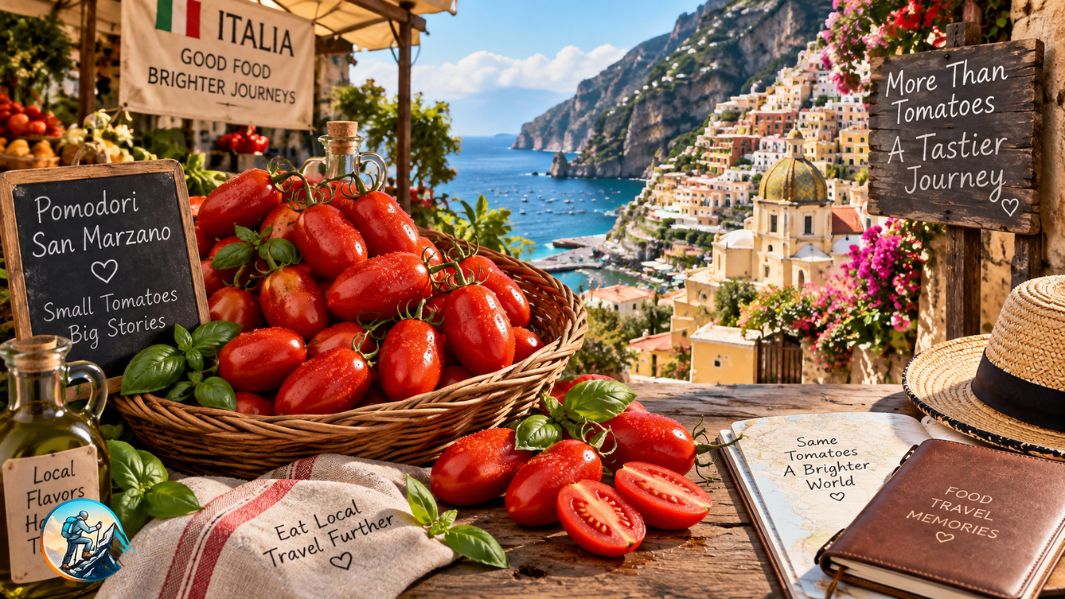
Some of the most memorable travel experiences begin with surprisingly ordinary ingredients. Walk through a morning market in Italy, Spain, or another Mediterranean destination, and you may discover that Plum Tomatoes are treated with almost the same respect as fine cheese, olive oil, or freshly baked bread. Their deep flavor, firm flesh, and naturally low water content make them an essential ingredient in regional kitchens where simple food depends heavily on ingredient quality.
For travelers interested in local cuisine, visiting produce markets can reveal far more about a destination than eating only in tourist restaurants. Tomatoes piled into wooden crates tell stories about farming seasons, family recipes, and cooking traditions passed through generations.
Why Plum Tomatoes Are a Traveler’s Culinary Treasure
Plum tomatoes are generally oval or elongated rather than perfectly round. Their flesh is dense, they contain fewer seeds than many slicing tomatoes, and their relatively low moisture level makes them especially useful for cooking.
These qualities explain why varieties such as Roma tomatoes are frequently chosen for tomato sauce, soups, stews, and roasted dishes. When cooked slowly, their natural sweetness becomes richer without producing an excessively watery sauce.
For a traveler, the important lesson is simple: ingredients do not need to be luxurious to become culturally meaningful. A basket of tomatoes purchased from a neighborhood market can offer a more authentic taste of a region than an expensive imported product ever could.
Where Plum Tomatoes Shape Local Food Culture
Italy is naturally associated with tomatoes, particularly in southern regions where warm weather supports abundant crops. Markets, small grocery shops, family restaurants, and countryside farms offer chances to see how seriously locals take freshness.
Across the wider Mediterranean food culture, tomatoes also appear alongside garlic, herbs, vegetables, seafood, bread, and extra-virgin olive oil. Preparation styles change from place to place, but the emphasis on seasonal ingredients remains familiar.
I find local markets especially rewarding early in the morning. Vendors are setting up, restaurants are buying ingredients, and residents are completing ordinary shopping rather than performing for visitors. That everyday atmosphere often creates the strongest sense of place.
Plum Tomatoes in Authentic Italian Cooking
Few dishes demonstrate their value better than Italian tomato sauce. Because plum tomatoes are fleshy rather than watery, they can develop into a smooth, concentrated base with relatively little preparation.
They also suit traditional pizza, where excess moisture can make dough soggy. Cooks also roast them with herbs, simmer them into soups, preserve them for colder months, or combine them with pasta.
A useful principle while traveling is captured by a simple saying: “Eat what grows where you are.”
Following that idea often leads travelers toward better meals because seasonal produce usually reflects the region more naturally than standardized international menus.
How to Find the Best Plum Tomatoes While Traveling
Start with a local farmers’ market whenever possible. Look for stalls serving residents, not just souvenir shoppers. Tomatoes should appear fresh, naturally colored, and free from major bruising.
Peak availability varies by climate, although warm months commonly produce excellent tomatoes across Mediterranean destinations. Seasonal produce usually offers stronger flavor than fruit transported long distances or stored for extended periods.
Do not hesitate to ask vendors which tomatoes they recommend for sauce, salads, or roasting. Even when language is difficult, pointing to ingredients and mentioning a dish can start a surprisingly useful conversation.
How to Recognize Fresh Plum Tomatoes
Good tomatoes should feel firm but not rock-hard. Their skins should look smooth and healthy, and their color should look developed rather than pale or uneven.
A naturally ripe tomato may also have a noticeable fresh aroma near the stem. Avoid relying exclusively on perfect appearance. Small cosmetic differences are common in farm-grown produce and do not automatically indicate poor quality.
If you have access to a kitchen during your trip, buy only what you expect to use soon. Fresh tomatoes generally taste best when you let them keep their natural texture and aroma, rather than storing them unnecessarily for long periods.
Traveling With Food in Mind
Food-centered travel does not require expensive tasting menus. Consider booking accommodation with a kitchenette, joining a local cooking class, visiting agricultural communities, or simply preparing lunch with ingredients purchased that morning.
Respect market etiquette by observing how residents shop before handling produce. Some vendors prefer selecting fruit for customers themselves, particularly in traditional markets.
Another practical approach is to taste the same ingredient in several settings. Try tomatoes on pizza, in pasta sauce, beside grilled vegetables, and fresh with bread and olive oil. You begin noticing how preparation changes flavor while the ingredient connects everything.
Final Thoughts: Taste a Destination Through Its Tomatoes
Plum tomatoes remind us that meaningful travel often hides inside ordinary moments. A market visit, conversation with a grower, or simple plate of pasta can reveal agricultural traditions and regional identity more effectively than another rushed attraction.
When your next journey leads somewhere known for fresh produce, visit the market before choosing dinner. Watch what locals are buying. Those humble Plum Tomatoes might guide you toward one of the most genuine—and delicious—experiences of your trip.
You May Read Also: Why Babybelletje Deserves a Place in Your Travel Snack Bag