

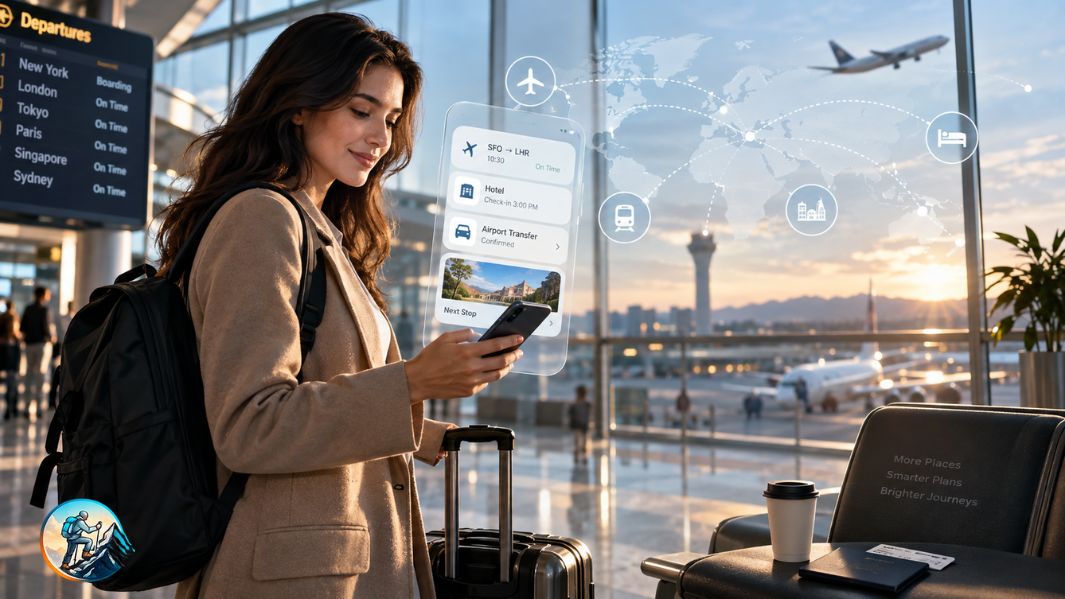
Modern travel is exciting until the practical details begin piling up. Flights change, hotel confirmations get buried in crowded inboxes, transport plans shift, and one small delay can disrupt an entire day. That is where iconnect fits into the conversation. The travel-focused platform brings trip planning and support into one place, helping travelers manage arrangements with less friction. For people who prefer organized journeys without constantly switching between apps, messages, and booking pages, the idea is appealing. I have always found that good travel technology should stay quietly in the background: useful when needed, invisible when the real experience begins.
Why iconnect Can Make Travel Planning Simpler
iconnect’s main attraction is convenience. Instead of treating flights, hotels, ground transport, and itinerary questions as separate problems, travelers can approach them as parts of one connected journey. That matters most during complex trips, when several bookings depend on each other. A missed connection, late arrival, or sudden change in accommodation can quickly create stress. Having a central place for travel planning, booking support, and itinerary management may reduce the amount of searching required. The practical benefit isn’t that technology removes every travel problem; it gives travelers a clearer way to respond when plans change unexpectedly.
How iconnect Helps During a Real Trip
Travel tools become valuable after departure, not just before. A traveler arriving in an unfamiliar city may need to confirm accommodation, arrange transport, review the day’s schedule, or adjust plans because of weather or delays. Using iconnect as a travel hub can make those tasks easier to track. The platform emphasizes concierge-style support and personalized assistance, which can help travelers who want guidance without rebuilding their itinerary from scratch. Still, keep essential confirmation numbers, addresses, passport details, and emergency contacts available offline. Phones lose signal, batteries die, and airport Wi-Fi is not always dependable.
Using Smart Travel Technology Without Losing Flexibility
No travel app should make every decision for you. The best approach is to use digital travel tools for organization while leaving room for spontaneous discoveries. Build a dependable framework: confirm transport, accommodation, important reservations, and realistic travel times. Then leave open periods for wandering, local food, neighborhood walks, or unexpected recommendations. My favorite trips have rarely followed the original schedule perfectly. That is part of the appeal. A useful rule I travel by is, “Plan enough to feel free, not enough to feel trapped.” Technology works best when it protects that freedom rather than replacing it.
Practical Tips Before Depending on iconnect Abroad
Before traveling, download the app, sign in, and learn where your important trip information appears. Check what services are available for your destination, because features and support can vary. Review your mobile-data plan and consider offline maps as a backup. Save screenshots of booking confirmations and important addresses. Travelers should also examine an app’s privacy permissions carefully, especially when location or personal information may be involved. Use a strong password, avoid sharing sensitive details over unsecured public networks, and keep payment notifications enabled. These habits strengthen travel security while keeping convenient technology useful.
One more habit can improve the experience: review the next day’s plan each evening. Confirm departure times, pickup points, reservation windows, and the distance between stops. This takes only a few minutes but can prevent rushed mornings and unnecessary detours. If iconnect becomes your central planning tool, use it alongside calendar alerts and offline notes so information remains accessible even when connectivity becomes unreliable.
Is iconnect Right for Every Kind of Traveler?
iconnect may suit frequent travelers, busy professionals, families managing several reservations, and visitors who appreciate concierge-style help. Independent backpackers who prefer making decisions minute by minute may use fewer features, while highly organized travelers may value centralized information. The key question is simple: does the tool reduce your planning burden? If it saves time, clarifies arrangements, and helps you react to changes, it earns a place on your phone. If it adds another layer of checking, simplify your setup. Good travel apps should reduce mental clutter, not create more.
A More Connected Way to Travel
Travel should ultimately be about places, people, and memories, not managing tabs on a screen. iconnect represents a broader shift toward connected travel, where one digital hub can handle planning, assistance, and practical information. Used thoughtfully, it can make journeys calmer and easier to manage. Keep backups, protect your personal information, and avoid relying entirely on any single platform. Then let the technology do what it does best: handle the organization while you focus on the destination. A well-prepared traveler is not someone who controls every moment, but someone who can adapt confidently when the journey changes.
You May Read Also: A Smarter Journey With SOCS: How School Travel Planning Becomes Less Stressful