

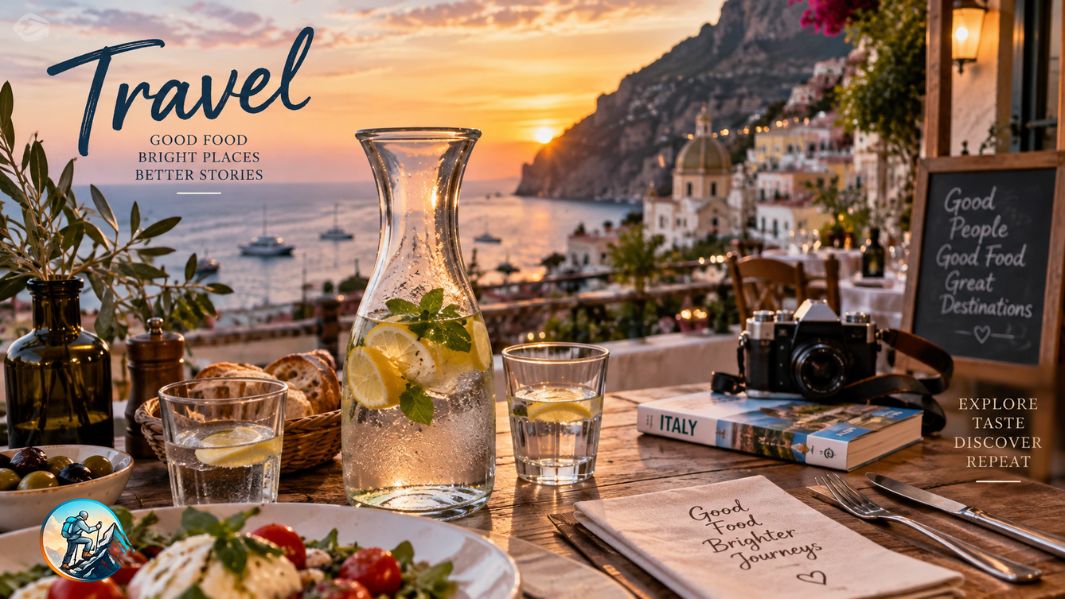
Travel is often remembered through small rituals rather than famous landmarks. A morning coffee beside a village square, chilled water at a family-run inn, or local wine arriving in a glass vessel can reveal as much about a destination as a guidebook. That is where the Carafe becomes interesting. More than a container, it is part of table culture, hospitality, and the rhythm of dining. For travelers who enjoy habits, understanding how a carafe is used can make restaurant visits feel more natural, confident, affordable, and connected to place.
Why the Carafe Matters in Travel Culture
A Carafe is used to serve water, wine, juice, or other drinks at the table. In cafés, countryside restaurants, guesthouses, and wine regions, it represents hospitality. You may see one filled with house wine in France, cool water in Italy, fresh juice at breakfast in Spain, or infused water at a boutique hotel. Its role is social: it sits in the middle of the table so everyone can pour and share. That creates a less formal atmosphere than individually bottled drinks and often supports the slower dining style travelers associate with memorable local meals.
For budget-conscious visitors, ordering a carafe can also be practical. A half-carafe of local wine may cost less than a branded bottle, while a water carafe can reduce the need for small bottles where tap water is safe and commonly served. Customs vary, so ask politely. “Do you serve house wine by the carafe?” or “Could we have a carafe of water?” works well and prevents assumptions about service or price.
How to Order a Carafe Like a Local
Watch what tables are doing. If many guests have glass jugs of water or wine, the restaurant offers them routinely. Menus may list sizes such as 25 cl, 50 cl, or one liter, especially for wine. Couples find 50 cl comfortable with a meal, while a smaller measure suits lunch. If you are driving or prefer moderation, choose less. In wine regions, house wine may come from a producer, but “house” does not automatically mean premium. If quality matters, ask what is being served.
Water customs deserve attention too. Some restaurants provide tap water; elsewhere, bottled mineral water is standard. A carafe on the table does not always mean free water. Check the menu or ask if it costs extra in tourist districts and resort towns.
Carafe Etiquette in Cafés, Hotels, and Wine Regions
Sharing is central to carafe etiquette. Pour for companions before topping up your own glass, avoid filling wine glasses to the rim, and handle glass carefully. At breakfast buffets, smaller carafes may hold milk, juice, or coffee; take only what your table will use. In tasting rooms, a carafe may appear as a water vessel between samples, helping guests stay hydrated and reset their palate.
Travelers should not confuse a serving carafe with a wine decanter. A decanter is designed to expose wine to air and often has a broad base, while a carafe is simpler and primarily intended for serving. The difference also matters when buying souvenirs. A sturdy glass carafe is useful at home and easier to pack than an elaborate decanter, especially when wrapped securely in checked luggage.
Carafe Travel Tips for a Better Dining Experience
Use the Carafe as a cue to slow down. Notice how locals pace the meal, whether they share drinks, and how servers present them. These details can reveal a destination’s unwritten rules. My favorite travel principle is, “The table teaches you the place when you give it time.” A shared carafe fits that idea because it turns a drink into a small communal ritual.
For groups, carafes reduce table clutter and make sharing easier. For solo travelers, a smaller carafe of house wine offers variety without requiring a full bottle. Travelers who avoid alcohol can enjoy the same ritual with sparkling water, juice, or herbal infusions. The value isn’t the beverage itself; it is participating in local hospitality.
Is a Carafe Worth Noticing When You Travel?
Yes, especially if food and culture shape your journeys. A Carafe may look ordinary, yet it connects budget, portion size, hydration, and dining etiquette with the pleasure of sharing a table. It can help you order confidently, avoid unnecessary expense, and recognize customs that are easy to miss when rushing between attractions.
The next time a server places a clear glass carafe beside your plate, notice the moment. It may contain nothing more exotic than water or simple local wine, but that is exactly the point. Travel becomes richer when ordinary things reveal how people live. Sometimes the most memorable taste of a destination is not poured from an expensive bottle, but from a modest carafe passed around the table.
You May Read Also: A Traveler’s Smart Guide to Fentomagazine.com USA in 2026