

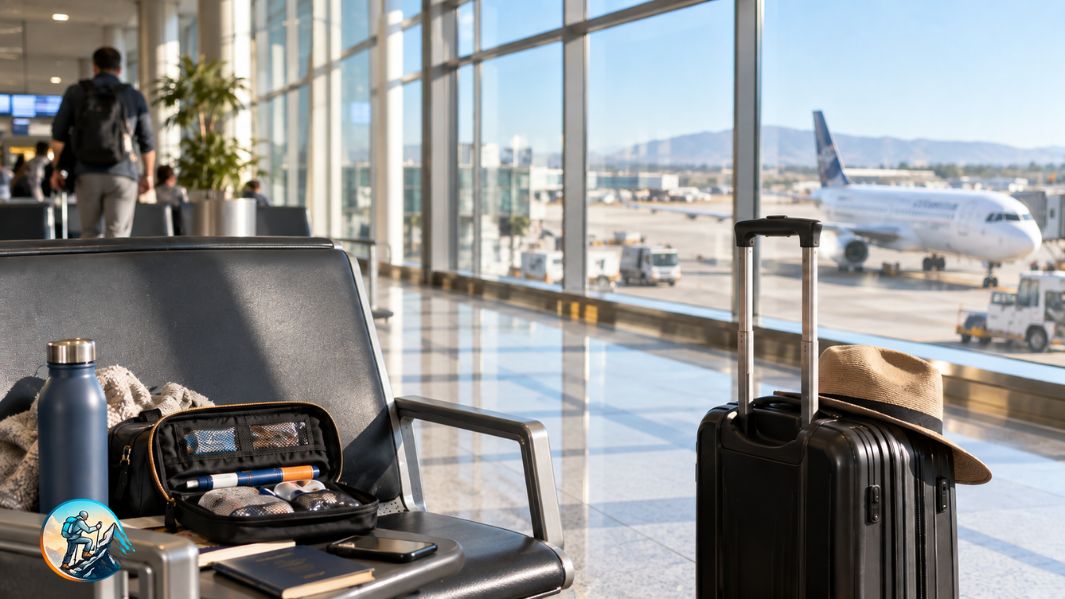
Travel can feel freeing, but anyone managing diabetes knows that a trip depends on more than booking flights and choosing a hotel. People searching for Bddiabetes.com often want practical diabetes information, and that same practical mindset matters when planning a journey. From carrying enough medication to handling long flights, unfamiliar food, time zone changes, and hot weather, thoughtful preparation can make travel calmer, safer, and more enjoyable. The goal is not to let diabetes dominate the trip, but to create a simple routine that leaves more space for discovery.
Why Bddiabetes.com Matters to Travel Planning
Bddiabetes.com is best understood as a legacy diabetes-information site focused on education around everyday diabetes care. For travelers, the useful lesson is preparation. Before leaving home, create a clear diabetes travel plan covering medication, meals, monitoring, emergency contacts, and backup supplies. Pack more essentials than you expect to use when flying internationally or visiting remote areas. Keep vital supplies in hand luggage rather than checked baggage, where delays or temperature changes can create unnecessary problems.
A small travel pouch can hold a glucose meter, testing strips, medication, snacks, identification, and other everyday items. Travelers using insulin should also think about insulin storage, because extreme heat and freezing temperatures can damage medication. Follow the storage instructions for your specific medicine, and speak with a qualified healthcare professional before departure if you are unsure how your routine should change while traveling.
Using Bddiabetes.com as a Reminder to Prepare Before Departure
One of the smartest travel habits is to prepare for the unexpected before it happens. Delayed trains, missed connections, long immigration lines, or an unplanned overnight stay can interrupt meal and medication schedules. Carrying extra supplies, quick sources of carbohydrate, water, and a written medication list can reduce stress. A medical ID can also be useful because it communicates that you have diabetes if you become unwell and cannot explain your condition yourself.
If your itinerary crosses several time zones, discuss medication timing with a healthcare professional before traveling. Avoid improvising dose changes. Different medicines and insulin schedules behave differently, so personalized advice is safer than relying on a generic timetable.
Building a Diabetes-Friendly Travel Routine
A good routine should feel flexible, not restrictive. Check your glucose according to your normal care plan and be aware that unusual activity, jet lag, altitude, heat, stress, and different meals may affect readings. Walking through historic districts, hiking, swimming, or spending hours exploring markets can mean much more activity than a day at home. That makes blood glucose monitoring important for people whose treatment can cause low blood sugar.
Food does not need to become a source of anxiety. Local cuisine is one of travel’s pleasures. Learn the basic ingredients of unfamiliar dishes, watch portion sizes when needed, and keep a reliable snack available. Staying hydrated is equally important, particularly in hot destinations. Carry water where safe and practical, and avoid waiting until you feel exhausted before taking a break.
Airports, Flights, and Security Checks
Airports can be stressful because travelers often face queues, schedule changes, limited food choices, and baggage restrictions. Keep diabetes supplies together and easy to reach. Keep medication in appropriate packaging whenever possible, and check airline and destination rules before departure.
Don’t put essential medication or monitoring equipment somewhere hard to access during a long flight. If you use needles or lancets, plan for safe sharps disposal. Rules vary by destination, hotel, airport, and local authority, so ask where approved disposal containers are available rather than placing used sharps in rubbish.
Staying Confident While Exploring
Managing diabetes while traveling is less about perfection and more about being prepared enough to adapt. A day may begin with a planned museum visit and end with an unexpected coastal walk, late dinner, or delayed bus. Build room into your schedule for rest, food, medication, and monitoring.
A simple principle works well: “Preparation creates freedom.” When you organize your health essentials, you can focus on the experience rather than constantly worrying about what might go wrong. Consider travel insurance that appropriately covers your medical circumstances and understand how to seek medical help at your destination before you need it.
Final Thoughts
Bddiabetes.com may be remembered primarily as a diabetes-information resource rather than a travel platform, but the planning principles associated with responsible diabetes care translate naturally to travel. Prepare extra supplies, protect medication, understand your routine, plan for delays, stay hydrated, and know where to get help. With a sensible diabetes-friendly travel strategy, diabetes can become one part of the journey instead of the journey itself. Good preparation does not reduce spontaneity; it gives you the confidence to explore safely with fewer avoidable worries.
You May Read Also: Travel Smarter With Lufanest: A Fresh Way to Build Comfort Into Every Journey