
Blog
Everest Base Camp, Annapurna Base Camp, and Langtang Valley Treks: A Practical Guide to Nepal’s Three Himalayan Experiences

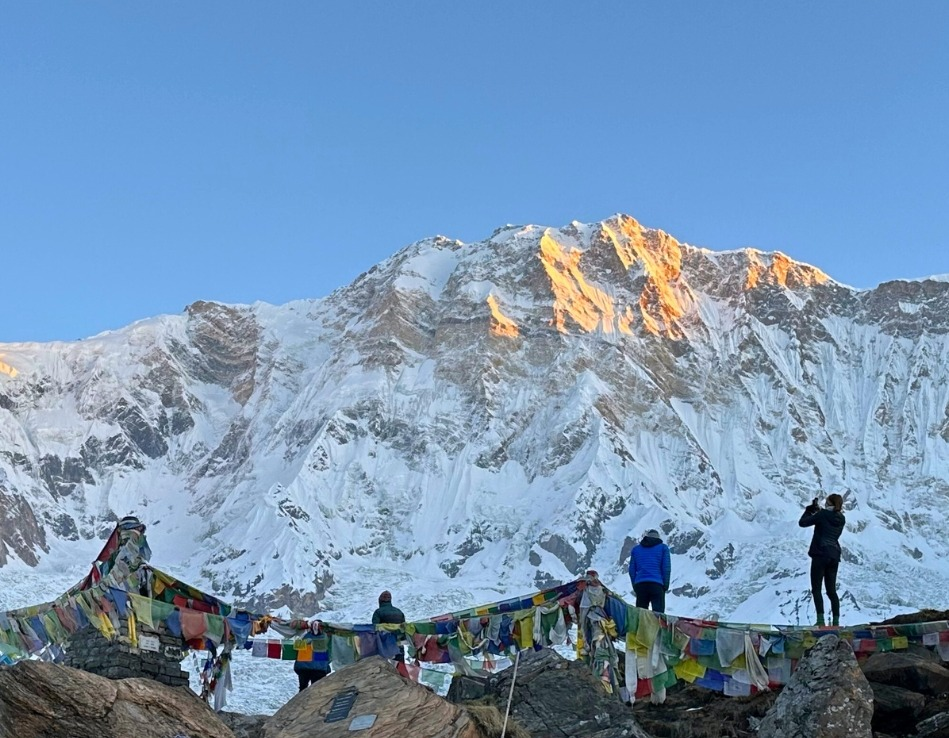
Three Himalayan Trails, Three Very Different Ways to Experience Nepal
Here’s a mistake plenty of people make. They scroll through mountain photos, fall for one, and book the trek without asking what the walking is actually like. Nepal makes that easy to do. The Everest Base Camp Trek, the Annapurna Base Camp Trek and the Langtang Valley Trek all look incredible online, but on the ground they feel nothing alike.
The days you’ll need, the altitude you’ll reach, how you get to the trailhead, the kind of villages you sleep in, and how hard your legs and lungs have to work all change from one route to the next. A shorter trek isn’t automatically an easier one. A famous name doesn’t mean it’s the right fit for you.
Then there’s the people side. Sherpa settlements line the Khumbu, Gurung and Magar communities shape the hills around Annapurna, and Tamang heritage runs through Langtang. By the end of this guide you’ll know what each trail really involves, and which one suits your time, fitness and curiosity.
Everest Base Camp Trek: High-Altitude Trails, Sherpa Villages, and Life in the Khumbu
Most people think of the Everest Base Camp Trek as a race to a single spot at roughly 5,364 meters. It’s really a long walk through the Khumbu, and the walking is the point. You fly into Lukla, then move up through Phakding, Namche Bazaar, Tengboche, Dingboche, Lobuche and finally Gorak Shep.
The scenery shifts a lot. Early days are river valleys and swaying suspension bridges. Later it turns to alpine terrain, glacial moraine and open, exposed trail where the wind finds you. The climb up to Namche is steep and tends to surprise people. Plan on acclimatization days, cold mornings, and simple teahouses once you pass 4,000 meters. Above that height, even an easy-looking stretch takes real effort.
Sherpa culture is part of everyday life here. You’ll pass monasteries and long rows of prayer wheels, and the hospitality in the lodges is warm. Treat religious spaces with respect and walk around them the way locals do.
One thing worth knowing: Base Camp itself has limited views. Kala Patthar is the climb that gives you the big mountain panorama, so they’re two separate efforts. Keep your flights flexible too, because Lukla services depend on weather and seasonal departure arrangements.
Who it suits: travelers with about two weeks, decent trekking preparation, and a real interest in high-altitude mountain environments.
Annapurna Base Camp Trek: Mountain Villages, Forest Trails, and the Annapurna Sanctuary
The Annapurna Base Camp Trek takes you into the Annapurna Sanctuary and tops out at around 4,130 meters. Pokhara is the big practical advantage. You can start from there by road, and there are several trailheads and route combinations to choose from.
The usual stops include Ghandruk, Chhomrong, Bamboo, Deurali, Machhapuchhre Base Camp and then Annapurna Base Camp. People tend to underestimate the terrain. There are long stone staircases, forest paths, river crossings and narrow valley sections, and your knees will have opinions about it.
The scenery changes in a neat way. You start among farmed hillsides and traditional villages, then slowly climb into a closed-in basin ringed by tall peaks. Gurung and Magar influences show up in the villages, the farming, and the teahouse life. A cup of tea in someone’s family-run lodge is half the experience.
Be realistic about conditions. Forest trails can stay damp, rain comes with the season, snow can fall, and some sections carry avalanche exposure. Always ask for current trail advice before you set off.
It can work for travelers with less time than the standard Everest itinerary needs. But don’t read that as easy. It’s compact, not gentle.
Who it suits: people who want close mountain scenery, changing landscapes, village culture and a fairly tight itinerary.
Langtang Valley Trek: Tamang Heritage, Forested Valleys, and a Quieter Himalayan Journey
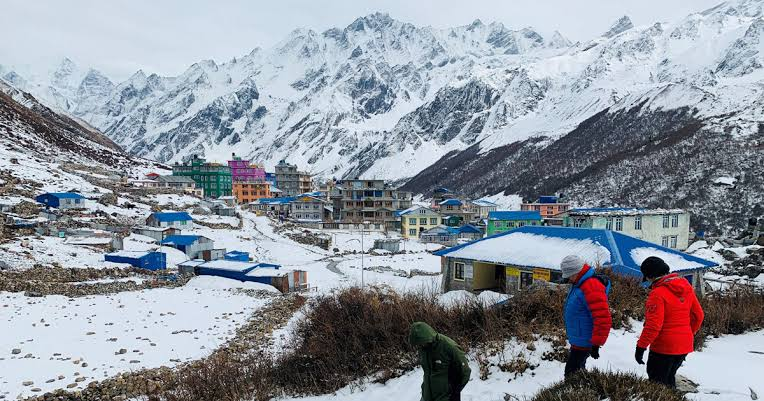
The Langtang Valley Trek sits north of Kathmandu. It normally starts at Syabrubesi, after an overland transfer. From there you pass Lama Hotel and Langtang Village before reaching Kyanjin Gompa, at roughly 3,870 meters.
The terrain keeps changing. Forested river gorges give way to steep climbs, then open grazing land, stone-built settlements and glaciated peaks. Tamang culture is at the heart of it, with Tibetan Buddhist influences, local monasteries, yak herding and traditional food production all part of daily life.
The 2015 earthquake is part of this valley’s story, and Langtang Village has been rebuilt since. Talk to people with care. This is a community’s lived history, not a sight to photograph.
If you have energy left at Kyanjin Gompa, Kyanjin Ri and Tserko Ri are the optional hikes. They add effort and altitude, so don’t treat them as a casual bonus. Road travel to the start can be long and bumpy, accommodation standards vary, and you’ll want spare time for the return journey.
Also, fewer trekking days don’t cancel out altitude sickness. Go up gradually.
Who it suits: travelers drawn to local culture, mountain villages, road-based access and a shorter Himalayan itinerary.
Everest, Annapurna, or Langtang: Which Trek Actually Fits Your Travel Plans?
| Comparison | Everest Base Camp | Annapurna Base Camp | Langtang Valley |
| Typical duration | 12–14 days | 7–12 days | 7–10 days |
| Main destination altitude | 5,364 m | 4,130 m | Kyanjin Gompa, 3,870 m |
| Main access | Lukla flight | Road from Pokhara | Road from Kathmandu |
| Cultural focus | Sherpa | Gurung and Magar | Tamang |
| Main challenge | Sustained high altitude | Steep stairs and ascents | Altitude and uneven trails |
| Distinctive experience | Khumbu and Everest region | Annapurna Sanctuary | Mountain villages and valley culture |
Everest asks the most when it comes to acclimatization time, simply because you stay high for so long. A Lukla flight also ties your schedule to the weather, while road access to Annapurna and Langtang is usually easier to plan around. Duration and difficulty shift with your itinerary, pace, season and side hikes, so treat the table as a starting point.
If altitude and the big-mountain feeling matter most, choose Everest. For varied scenery, Annapurna. For culture and a quieter valley, Langtang. Short on vacation days? Annapurna or Langtang will fit more comfortably.
Best Trekking Seasons and the Weather Conditions Travelers Should Expect
Spring (March–May) and autumn (September–November) are the popular windows for good reason. Spring brings rhododendron forests to the Annapurna and Langtang trails, while autumn tends to give clearer mountain views.
Higher up, expect cold and snow, especially around Everest Base Camp. The monsoon turns trails slippery, raises landslide risk and hides the peaks behind cloud. Winter trekking is possible on some itineraries, but snow, ice and cold change the difficulty a lot.
Pack in layers with proper insulation, waterproof protection, boots that suit the terrain, and a sleeping bag or bedding rated for cold nights.
What Travelers Should Arrange Before Starting Any of These Treks
Acclimatization and a realistic daily schedule matter more than finishing fast. Rushing is how trips go wrong.
Check permits, national park or conservation area entry requirements, and current guide regulations before you leave, since rules can change. When comparing packages, look for clear details on accommodation, meals, transport, guide services, porter arrangements, permits and exclusions. An operator such as Escape Himalaya is one example travelers can consult when comparing itineraries, acclimatization schedules and what’s included.
Carry enough cash, get travel insurance that covers trekking altitude and emergency evacuation, and expect patchy connectivity. Build in spare days for weather, transport hiccups and surprises.
Final Thoughts: The Right Himalayan Trek Depends on What You Want to Experience
These three treks aren’t rival versions of the same holiday. Everest means high-altitude adventure and Sherpa culture. Annapurna offers shifting landscapes and a mountain sanctuary. Langtang is about Tamang heritage and exploring a valley.
Be honest about your fitness, your available days, altitude risks and what you actually enjoy. A Himalayan journey isn’t measured only by the height you reach. It’s also the villages, the people and the mountain world you pass through on the way.
Frequently Asked Questions About Nepal’s Three Treks
Which is harder, Everest Base Camp or Annapurna Base Camp?
Everest is generally harder because of longer days at higher altitude. Annapurna has less altitude but steeper stairs.
Is the Langtang Valley Trek suitable for beginners?
It can be, with reasonable fitness, a gradual itinerary and enough time to acclimatize.
Which Nepal trek is best for travelers with limited time?
Langtang and Annapurna Base Camp take fewer days and use road access.
Can you trek to Everest, Annapurna, or Langtang without previous trekking experience?
Yes, with preparation, guided support and respect for altitude risks.

Everest Base Camp, Annapurna Base Camp, and Langtang Valley Treks: A Practical Guide to Nepal’s Three Himalayan Experiences

Instablu: A Complete Guide to Its Features, Digital Marketing Insights, Benefits, and Online Safety

Purpose-Led Leadership: Practical Ways to Link Business Growth With Community Value

Midasit: Transforming Modern Engineering Through Advanced Structural Design Software

Celia Walden: The Remarkable Life, Journalism Career, Books and Marriage to Piers Morgan

Elena Ora: The Influential Creative Director and Manager Behind Rita Ora’s Global Success

Rhoda Walker: The Remarkable Life, Family Background and Influence of Graham Norton’s Mother

Katherine Mirren: The Untold Family Story, Teaching Career and Life of Helen Mirren’s Older Sister

Sandra Georgina West: The Remarkable Life, Family, and Influence of David Beckham’s Mother

Jackie Adams: The Inspiring Life, Family Background, and Influence Behind Victoria Beckham

Ronald Henry Brand: The Surprising Family Story of Russell Brand’s Father

Custom Wordle: The Ultimate Guide to Creating Fun and Challenging Word Puzzles

Aidan Keane: The Remarkable Story of Roy Keane’s Son, His Wedding, Wife and Family Life

Accessible Login Experiences: A Practical Checklist For Clearer, Safer Forms

Charlotte Searle: The Remarkable Story of Brendan Rodgers’ Wife, Her Career and Family Life

Waste Bear Soulframe: Complete Quest Guide, Boss Fight Tips, and Bromius Pact Rewards

Park & Fly Long Term Parking: How to Book Early and Travel With Less Stress

Why Travelers Want Voice-to-Voice Translation Tools More Than Ever

Allegra Sky Leguizamo: The Remarkable Journey of John Leguizamo’s Daughter from Acting to Filmmaking

FASB Staff Position: Essential Guide to Its Purpose, Importance, and Impact on Accounting
Everest Base Camp, Annapurna Base Camp, and Langtang Valley Treks: A Practical Guide to Nepal’s Three Himalayan Experiences
Instablu: A Complete Guide to Its Features, Digital Marketing Insights, Benefits, and Online Safety
Purpose-Led Leadership: Practical Ways to Link Business Growth With Community Value
Midasit: Transforming Modern Engineering Through Advanced Structural Design Software
Celia Walden: The Remarkable Life, Journalism Career, Books and Marriage to Piers Morgan
Elena Ora: The Influential Creative Director and Manager Behind Rita Ora’s Global Success
Rhoda Walker: The Remarkable Life, Family Background and Influence of Graham Norton’s Mother
Katherine Mirren: The Untold Family Story, Teaching Career and Life of Helen Mirren’s Older Sister
Sandra Georgina West: The Remarkable Life, Family, and Influence of David Beckham’s Mother
Jackie Adams: The Inspiring Life, Family Background, and Influence Behind Victoria Beckham
-
 Destination Guides4 months ago
Beyond the Map: Discovering Haslhof in Italy and Bavaria
-
 Blog4 months ago
Beyond the Cages: How an Artificial Zoo Could Redefine Wildlife Travel
-

 Health1 month ago
How Dental Implant Quotes Are Built: A Practical Cost Guide for Maple Grove, Minnesota
-
 Adventure Travel2 months ago
Everest Base Camp Trek vs Manaslu Circuit Trek: Routes, Difficulty, Costs, Altitude and Mountain Experience