
Business
Corporacion Venezolana de Petroleo: Remarkable History, Major Achievements, and Its Role in Venezuela’s Oil Industry

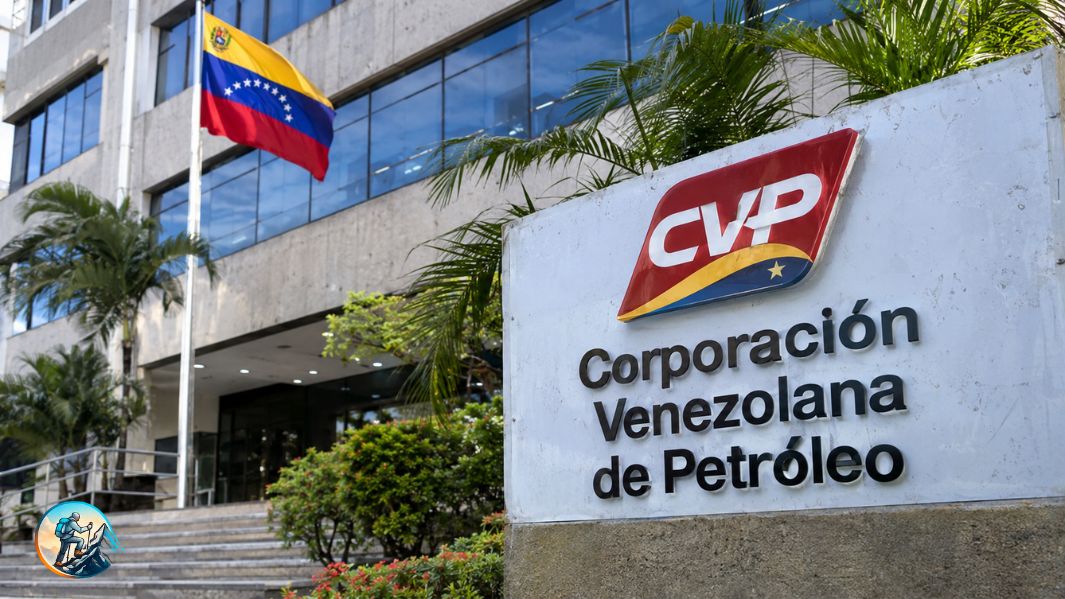
The corporacion venezolana de petroleo, formerly known as the Corporación Venezolana del Petróleo (CVP), holds an important place in the development of Venezuela’s petroleum industry. Established in 1960, it represented a major step toward greater national participation in oil exploration, production, refining, and commercial activities. Before its creation, much of Venezuela’s petroleum industry was operated by foreign companies under government concessions. CVP introduced a different approach by allowing the Venezuelan state to participate directly in the country’s most valuable natural-resource industry.
Over the decades, the corporation experienced significant structural changes, including integration into the national oil system and a renewed role in managing partnerships with domestic and international petroleum companies. Its history offers a useful perspective on how government policy, natural resources, industrial development, and international investment have shaped Venezuela’s economy.
This article explores CVP’s origins, operations, achievements, challenges, and economic importance, and explains its relationship with Petróleos de Venezuela, S.A. (PDVSA).
What Is Corporacion Venezolana de Petroleo?
The Corporación Venezolana del Petróleo, commonly abbreviated as CVP, is a Venezuelan state-owned petroleum enterprise associated with the country’s national oil company, PDVSA. It was originally established to strengthen government participation in hydrocarbon activities and develop domestic expertise in the oil industry.
Its initial responsibilities covered several important areas, including petroleum exploration, extraction, transportation, refining, storage, and commercialization. These functions gave the Venezuelan government opportunities to participate directly in an industry that was essential to national revenue and international trade.
CVP’s role evolved considerably as the country’s petroleum policies changed. In its later institutional form, it became particularly important in overseeing commercial arrangements involving PDVSA and other petroleum companies, including joint ventures established to develop Venezuelan oil resources.
Understanding CVP requires examining both its original operations during the 1960s and 1970s and its subsequent responsibilities within the national petroleum sector.
The Historical Origins of CVP
Establishment in 1960
CVP was established on April 19, 1960, under Presidential Decree No. 260, during President Rómulo Betancourt’s administration. Its creation reflected Venezuela’s growing determination to increase state participation in an industry that had been dominated by international petroleum operators.
During the first half of the twentieth century, Venezuela emerged as a leading petroleum-producing and exporting nation. Although oil created substantial economic opportunities, foreign concessionaires controlled much of the industry’s commercial infrastructure and production activity.
The government therefore sought institutions that could develop national technical expertise, manage petroleum resources, and strengthen public participation in the business.
The corporation was established as a public entity with its own legal identity and assets. It was linked to the Ministry of Mines and Hydrocarbons, which supervised national petroleum policy.
The Importance of the National Oil Strategy
CVP emerged during an important period of petroleum reform. Venezuela also helped establish the Organization of the Petroleum Exporting Countries (OPEC) in 1960, alongside other major oil-exporting nations.
Although CVP and OPEC served different purposes, both developments reflected Venezuela’s broader ambition to exercise greater influence over petroleum policy.
CVP focused on building domestic operational capabilities, while OPEC provided a platform for coordination among petroleum-exporting governments.
The corporation thus became part of a broader effort to improve national control, develop specialized knowledge, and strengthen the country’s position in the international oil industry.
Early Petroleum Operations and Development
During its initial years, CVP worked to establish a practical presence in Venezuela’s petroleum industry. Its operations included exploration activities, production projects, domestic distribution, and involvement in petroleum infrastructure.
The enterprise completed its first producing well in June 1961. It subsequently received additional responsibilities and access to petroleum-producing areas as the government expanded its operational participation.
CVP also became active in the domestic marketing of petroleum products, an important area because fuel distribution directly affected transportation, industry, and everyday economic activity.
Its operations included involvement in natural gas infrastructure and selected petroleum fields. The corporation also participated in exploratory work in different regions of Venezuela, although not every exploration program resulted in commercially successful discoveries.
These activities helped establish institutional experience in petroleum engineering, field management, supply systems, and commercial operations.
Despite its significance, CVP did not immediately rival the country’s largest international petroleum producers in production volume. Its importance was also institutional: it helped demonstrate that Venezuela could establish and operate its own petroleum enterprise.
CVP and the Nationalization of Venezuela’s Oil Industry
One of the most significant turning points in CVP’s history came during the nationalization of Venezuela’s petroleum industry in 1975 and 1976.
In August 1975, Venezuela adopted legislation reserving the petroleum industry and hydrocarbon commerce to the state. The government subsequently established PDVSA as the central organization responsible for coordinating the national petroleum industry.
Commercial and operational responsibilities previously held by foreign concessionaires were reorganized under the new state-controlled structure.
During this transition, CVP was converted into a commercial corporation and became part of the developing PDVSA organization.
When nationalized petroleum operations formally began under PDVSA on January 1, 1976, the country’s oil industry entered a new period of centralized state ownership and management.
During the organizational restructuring of the late 1970s, CVP’s earlier operations were integrated into arrangements that helped create Corpoven, one of PDVSA’s major operating subsidiaries.
This transformation changed CVP’s original institutional role but preserved its historical importance in the transition toward a nationally managed petroleum industry.
The Revival of CVP and Its Changing Responsibilities
CVP’s institutional history did not end with the restructuring that followed nationalization.
The corporation was reactivated in July 1995 as part of PDVSA’s efforts to manage specialized petroleum arrangements and participation involving other companies.
During the 1990s, Venezuela pursued initiatives intended to attract investment and technical expertise into parts of its petroleum industry. These arrangements included exploration projects involving international and domestic commercial participants.
In January 1996, CVP entered agreements covering exploration blocks under a risk-sharing framework.
A further important change occurred in 2003, when PDVSA assigned CVP renewed responsibilities for managing commercial relationships and business arrangements with third parties.
This phase placed particular emphasis on overseeing partnerships, including enterprises operating under Venezuela’s evolving hydrocarbons legislation.
The corporation’s responsibilities therefore shifted from those of an original national operating company toward those of a specialized institution involved in commercial oversight, partnership administration, and petroleum-sector coordination.
Relationship Between CVP and PDVSA
The relationship between CVP and Petróleos de Venezuela, S.A. (PDVSA) is essential to understanding the corporation’s place in the modern petroleum industry.
PDVSA was created in 1975 as Venezuela’s national petroleum company. It became responsible for coordinating the country’s state-owned petroleum activities through subsidiaries and operating organizations.
CVP falls under this broader corporate structure and has handled specialized responsibilities related to petroleum partnerships.
PDVSA’s functions span significant parts of the oil and gas value chain, while CVP has historically focused on specific corporate and partnership-related activities.
This distinction matters because the two organizations are closely connected but should not be treated as interchangeable.
PDVSA is the national parent petroleum organization, whereas CVP is an entity within the broader state-owned petroleum system.
The precise allocation of responsibilities can change through government decisions, corporate restructuring, and developments in Venezuela’s legal framework.
The Role of CVP in Petroleum Joint Ventures
One of CVP’s most important later responsibilities has been participating in and administering joint ventures, commonly called empresas mixtas in Venezuela.
These arrangements bring together a state-owned petroleum participant and one or more business partners to develop petroleum resources under applicable national legislation.
Joint ventures can allow participants to combine financial resources, technical knowledge, operational equipment, and industrial experience.
CVP’s involvement has included oversight of commercial arrangements and coordination connected with participating enterprises.
Why Joint Ventures Matter
Developing oil fields requires substantial investment, specialized equipment, and long-term operational planning. These requirements can become particularly demanding when projects involve difficult geological conditions or heavy crude oil.
Partnership arrangements may provide access to additional technical capabilities and commercial resources.
However, their effectiveness depends on several factors, including contractual clarity, regulatory compliance, investment conditions, operational management, and financial sustainability.
For Venezuela, the structure and performance of these partnerships have important implications for petroleum production and national revenue.
The Importance of Venezuela’s Orinoco Oil Belt
The Orinoco Oil Belt, known in Spanish as the Faja Petrolífera del Orinoco, is one of the most important petroleum regions associated with Venezuela’s long-term energy development.
It contains extensive deposits of extra-heavy crude oil, which presents particular production, transportation, and processing challenges.
Unlike many lighter petroleum grades, extra-heavy crude often requires specialized extraction methods and additional treatment or blending before transportation and refining.
Projects in this region can require major investments in infrastructure, engineering, processing facilities, and technical expertise.
CVP’s partnership-related responsibilities have connected it with commercial arrangements involving petroleum development in the Orinoco region.
The area’s importance demonstrates why investment coordination, operational expertise, and stable commercial arrangements are central concerns for Venezuela’s petroleum industry.
Economic Importance of Corporacion Venezolana de Petroleo
The economic significance of CVP is closely connected to the wider importance of petroleum in Venezuela.
Oil has historically supplied a substantial share of the country’s export earnings and government revenue. As a result, petroleum-sector performance has influenced national budgets, foreign exchange availability, infrastructure investment, and broader economic conditions.
CVP contributed to this history by helping establish domestic petroleum capabilities and later participating in structures that coordinated commercial petroleum operations.
Its economic importance can be understood through several connected areas.
First, state participation provides a mechanism for Venezuela to exercise ownership and managerial influence over its petroleum resources.
Second, organized petroleum investment can support employment across engineering, transportation, industrial maintenance, logistics, and related services.
Third, successful petroleum projects may generate public revenue through applicable fiscal arrangements, taxes, royalties, and commercial returns.
However, these benefits are not automatic. Actual economic outcomes depend on production efficiency, operating costs, investment levels, market conditions, and financial management.
Major Challenges Facing Venezuela’s Petroleum Sector
CVP operates in a petroleum industry that has faced substantial economic, technical, and political challenges.
One major challenge is the need for continuous investment. Oil wells, pipelines, production facilities, and processing infrastructure require regular inspection, maintenance, and modernization.
A second challenge concerns access to specialized equipment, financial services, technical expertise, and international commercial relationships.
The sector has also been affected by international sanctions and changing licensing requirements, particularly those involving transactions with PDVSA and related entities. The legal treatment of individual activities depends on the applicable regulations and authorizations at the time.
Other key challenges include operational reliability, workforce development, financial transparency, and managing complex petroleum projects.
These difficulties illustrate why strong institutions and effective project administration are vital to long-term industrial performance.
Environmental Responsibilities and Sustainable Operations
Petroleum development creates environmental responsibilities that cannot be separated from commercial and economic considerations.
Oil exploration, extraction, processing, and transportation may affect land, water, air quality, and surrounding communities if operations are not managed appropriately.
Important environmental priorities include preventing spills, maintaining pipeline integrity, reducing unnecessary gas flaring, managing industrial waste, and monitoring emissions.
Extra-heavy petroleum development can add energy and processing requirements, making operational efficiency especially important.
For organizations managing petroleum projects, environmental compliance and responsible oversight are part of broader industrial risk management.
As international energy markets evolve, petroleum-producing countries also face increasing pressure to improve efficiency and respond to changing environmental expectations.
Future Outlook for CVP
The future significance of CVP will depend on developments within Venezuela’s petroleum industry and the organizational responsibilities assigned to it.
Potential priorities for the broader sector include improving existing production infrastructure, supporting operational maintenance, attracting appropriate investment, strengthening technical capabilities, and establishing commercially sustainable partnerships.
Maintaining reliable production will depend on factors such as capital availability, stable operating conditions, contract administration, and access to essential technology.
CVP’s historical experience with commercial partnerships means that its institutional role remains relevant to discussions about how Venezuela organizes participation in petroleum projects.
Nevertheless, future corporate decisions, investment outcomes, and production levels cannot be predicted with certainty.
The corporation’s long history demonstrates that petroleum institutions must adapt to changing national policies, industrial requirements, and international economic conditions.
Frequently Asked Questions About Corporacion Venezolana de Petroleo
1. What is Corporacion Venezolana de Petroleo?
Corporación Venezolana del Petróleo, or CVP, is a Venezuelan state-owned petroleum enterprise associated with PDVSA. It was established to expand government involvement in petroleum activities and later developed specialized responsibilities involving commercial partnerships and joint ventures.
2. When was CVP established?
CVP was established on April 19, 1960, during Rómulo Betancourt’s presidency. Its creation represented an important step toward direct Venezuelan state participation in petroleum exploration, production, and related activities.
3. Is CVP the same company as PDVSA?
No. PDVSA is Venezuela’s national petroleum company, established in 1975, while CVP is a historically distinct enterprise that became part of the PDVSA corporate system.
4. What is the main role of CVP?
CVP has performed several functions throughout its history. In its later institutional development, it became particularly associated with managing and overseeing petroleum business arrangements involving PDVSA and other companies.
5. Why is CVP important to Venezuela’s economy?
CVP helped establish national participation in petroleum operations and contributed to the institutional development of Venezuela’s oil industry. Its later responsibilities in petroleum partnerships also connect it with investment, industrial management, and the wider economic importance of oil production.
Conclusion
The corporacion venezolana de petroleo represents an important chapter in Venezuela’s industrial and economic history. Since its establishment in 1960, the organization has reflected the country’s efforts to develop national petroleum expertise, strengthen public participation, and establish institutions capable of managing valuable hydrocarbon resources.
Its evolution from an early state petroleum operator to an organization linked to PDVSA’s commercial partnerships highlights the major changes that have shaped Venezuela’s energy industry.
Although the petroleum sector continues to face investment, operational, environmental, and regulatory challenges, CVP’s historical contribution remains significant. Understanding its development provides valuable insight into Venezuela’s petroleum nationalization, state-owned enterprises, industrial partnerships, and long-term energy strategy.

Levapioli: Meaning, Uses, Types, and Everything You Need to Know

Ydym Meaning: What It Really Means in Texting, Welsh Language, and Online Conversations

Snapchat Story Viewer: Complete Guide to Viewing Stories, Privacy, Anonymous Viewing, and Online Safety

realglobal.co.uk: A Complete Guide to the Website, Its Content, Features, and Online Presence

Lakeside General: The Fascinating Story of a Country Store, Café, and Community Landmark

Kevin Grealish: The Remarkable Life, Career, and Family Story of Jack Grealish’s Father

Tammy Reid: The Inspiring Life, Family, and Untold Story of Andy Reid’s Wife

Hanna Larsson: The Swedish Singer Building Her Own Musical Identity Beyond Zara Larsson’s Fame

Skylene Montgomery: The Inspiring Life of Sean Payton’s Wife, From Beauty Queen to Dedicated Nurse

Exploring Rome Without Heavy Bags: Luggage Storage with Radical Storage

How Dental Implant Quotes Are Built: A Practical Cost Guide for Maple Grove, Minnesota

Ronald Henry Brand: The Surprising Family Story of Russell Brand’s Father

sosoactive: The Surprising Evolution of a Digital Media Platform and Its Online Influence

Custom Wordle: The Ultimate Guide to Creating Fun and Challenging Word Puzzles

Jill Rhodes: The Remarkable Untold Story of Sean Hannity’s Ex-Wife and Her Life Beyond Fame

Aidan Keane: The Remarkable Story of Roy Keane’s Son, His Wedding, Wife and Family Life

Samuel Bower: The Remarkable Story of Jamie Campbell Bower’s Talented Musician Brother

Methatreams Explained: The Surprising Truth About Free Sports Streaming, Safety, and Legal Alternatives

Atlanta Falcons vs 49ers Match Player Stats: Stunning McCaffrey Performance and Complete Game Breakdown

Julie Hallam: The Untold Story of Jeremy Irons’ First Wife and Her Acting Career
Levapioli: Meaning, Uses, Types, and Everything You Need to Know
Ydym Meaning: What It Really Means in Texting, Welsh Language, and Online Conversations
Snapchat Story Viewer: Complete Guide to Viewing Stories, Privacy, Anonymous Viewing, and Online Safety
realglobal.co.uk: A Complete Guide to the Website, Its Content, Features, and Online Presence
Lakeside General: The Fascinating Story of a Country Store, Café, and Community Landmark
Kevin Grealish: The Remarkable Life, Career, and Family Story of Jack Grealish’s Father
Tammy Reid: The Inspiring Life, Family, and Untold Story of Andy Reid’s Wife
Hanna Larsson: The Swedish Singer Building Her Own Musical Identity Beyond Zara Larsson’s Fame
Skylene Montgomery: The Inspiring Life of Sean Payton’s Wife, From Beauty Queen to Dedicated Nurse
Exploring Rome Without Heavy Bags: Luggage Storage with Radical Storage
-
 Destination Guides4 months ago
Beyond the Map: Discovering Haslhof in Italy and Bavaria
-
 Blog4 months ago
Beyond the Cages: How an Artificial Zoo Could Redefine Wildlife Travel
-
 Health4 weeks ago
How Dental Implant Quotes Are Built: A Practical Cost Guide for Maple Grove, Minnesota
-
 Adventure Travel2 months ago
Everest Base Camp Trek vs Manaslu Circuit Trek: Routes, Difficulty, Costs, Altitude and Mountain Experience